

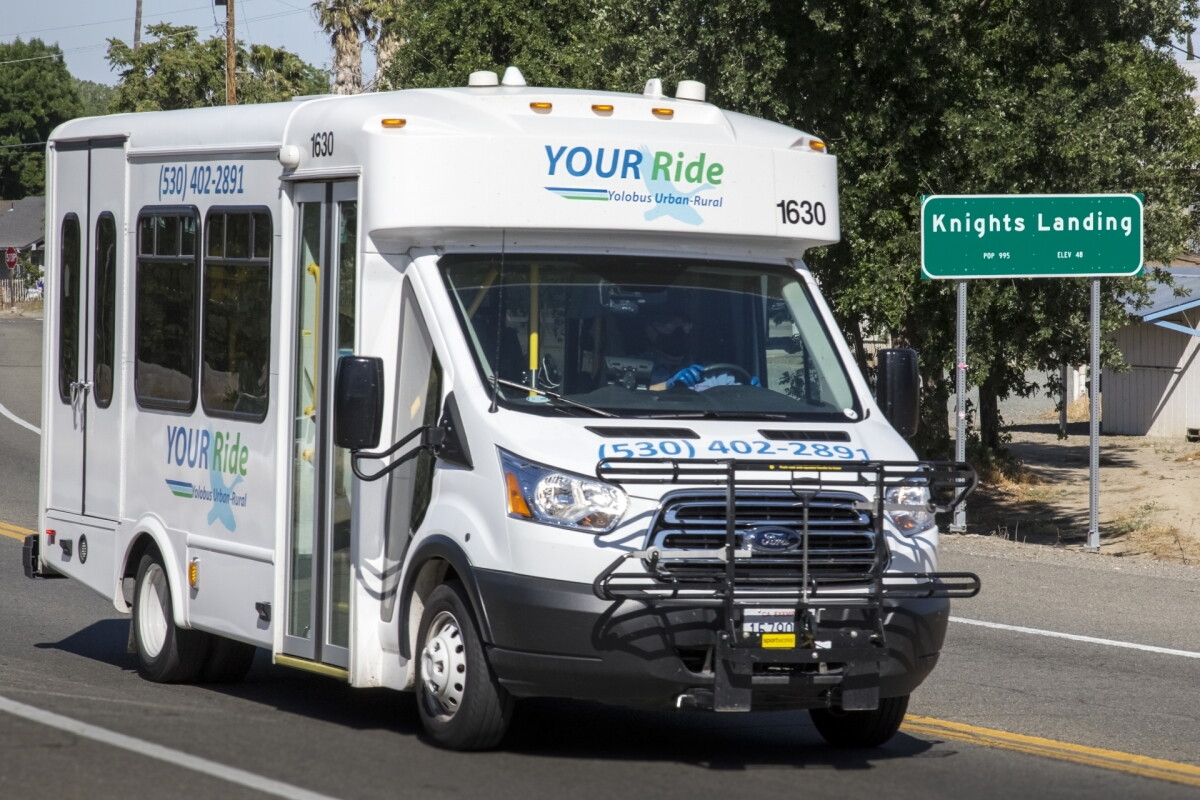
As cities evolve, transportation needs become increasingly complex. While fixed-route buses and trains remain cornerstones of public transit, these systems often fall short in serving vulnerable populations, low-density areas, and passengers requiring special accommodations. Enter the synergy between microtransit services and assisted ride programs—a powerful combination that promises to enhance accessibility, cost-efficiency, and customer satisfaction.
This blog explores how municipal transit planners can leverage this integration to create smarter, more inclusive transit networks.
Understanding the Basics
What is Microtransit?
Microtransit services refer to demand-responsive, tech-enabled transportation that operates somewhere between a private taxi and a fixed-route bus. These services typically use shuttles or vans to transport passengers along dynamic routes based on real-time demand. Key features include:
- App-based booking
- Real-time vehicle tracking
- Flexible routing and scheduling
- Smaller vehicle fleets
What Are Assisted Rides?
Assisted ride programs are transportation services tailored for individuals with physical, cognitive, or age-related limitations. These programs often:
- Require advanced booking
- Offer door-to-door service
- Include physical assistance (e.g., help with wheelchairs)
- Operate within specific eligibility criteria
Historically, assisted rides have been handled through specialized paratransit programs, which can be costly and logistically cumbersome.
Why Integrate Microtransit and Assisted Rides?
At a high level, integration aligns with broader goals like equity, efficiency, and multimodal connectivity. Here’s a breakdown of the benefits:
1. Improved Accessibility for All Riders
Combining microtransit’s flexibility with the support features of assisted rides can dramatically increase transportation access. For example:
- A senior citizen can book a same-day ride with real-time tracking.
- A rider with mobility issues can request an accessible vehicle with a trained driver.
- Passengers living in transit deserts can receive first/last-mile service.
This hybrid model supports both spontaneous travel and planned trips—something traditional paratransit often struggles with.
2. Cost Savings for Transit Agencies
Paratransit services are notoriously expensive, often exceeding $30 per ride. Microtransit’s on-demand model can streamline operations and reduce overhead by:
- Optimizing vehicle usage through dynamic routing
- Consolidating multiple services into a unified platform
- Utilizing smaller, more fuel-efficient vehicles
By reducing redundancy and improving dispatch efficiency, transit agencies can reallocate funds to other critical areas.
3. Enhanced Rider Experience
Microtransit apps provide features like ETA updates, driver communication, and electronic payments. Integrating assisted ride functionality into this ecosystem creates a smoother experience for users who may otherwise find conventional transit systems confusing or inaccessible.
4. Data-Driven Planning
When microtransit and assisted ride data are combined into a single platform, municipal planners gain a more holistic view of travel patterns and service gaps. This data can inform:
- Service adjustments and policy updates
- Infrastructure investment (e.g., ADA-compliant stops)
- Outreach and equity strategies
Key Implementation Considerations
Transit planners must consider several factors to ensure successful integration:
1. Technology Infrastructure
The backbone of any integrated model is a unified technology platform capable of managing:
- Trip booking and dispatch
- Vehicle tracking
- Eligibility verification
- Payment processing
Municipalities may partner with tech vendors offering turnkey solutions or APIs that integrate with existing scheduling software.
2. Fleet Management and Accessibility
To support both general and assisted riders, fleets must be diversified. This includes:
- ADA-compliant vehicles (e.g., lifts, ramps, wide doorways)
- Vehicles with room for mobility devices
- Real-time accessibility status reporting
Driver training is also crucial. Operators must be skilled in assisting passengers with a variety of needs without compromising safety or dignity.
3. Regulatory and Compliance Factors
Municipalities must navigate federal, state, and local regulations, particularly under the Americans with Disabilities Act (ADA). Some key considerations:
- Equitable service coverage across all demographics
- Maintenance of eligibility verification processes
- Data security and HIPAA compliance for sensitive rider information
Partnering with experienced service providers can help mitigate legal risks and streamline compliance.
4. Community Engagement
Planners must engage stakeholders early and often, especially disability advocacy groups, senior centers, and local NGOs. Strategies include:
- Co-designing service features with the end users
- Hosting public feedback sessions
- Offering user training on mobile apps and services
Community buy-in is essential for long-term adoption and success.
Real-World Examples
Los Angeles Department of Transportation (LADOT)
LADOT launched “CityRide Plus,” a pilot program that integrates microtransit with paratransit options for older adults and people with disabilities. Key features included same-day booking, real-time tracking, and bundled subsidies, leading to a 40% increase in ridership satisfaction.
Dallas Area Rapid Transit (DART)
DART’s GoLink service allows for on-demand trips in low-density areas and is increasingly used to supplement paratransit trips. Integration with a third-party app lets users book accessible vehicles alongside general-purpose ones, improving efficiency and equity.
Metrics for Success
Transit planners can evaluate program performance using a mix of operational and qualitative metrics:
| Metric | Description |
|---|---|
| Cost-per-ride | Compare against traditional paratransit models |
| On-time performance | Track service reliability |
| Trip completion rate | Measure fulfillment of bookings, especially for assisted rides |
| Rider satisfaction surveys | Gather qualitative feedback |
| Accessibility compliance | Ensure fleet and drivers meet ADA and local standards |
The Road Ahead
The future of urban mobility is undeniably multimodal, data-driven, and user-centric. As demographic trends shift toward an aging population and demand for accessible services grows, the integration of microtransit services with assisted rides offers a proactive solution.
Municipal transit planners are uniquely positioned to lead this transformation. By combining the agility of microtransit with the care-centric approach of assisted rides, cities can create systems that are not only efficient but also deeply equitable.
The result? Fewer missed medical appointments, more independent seniors, and a transit system that works for everyone.
Final Thoughts
Integrating microtransit with assisted ride programs isn’t just a matter of operational efficiency—it’s a moral imperative. Public transportation is a public good, and no one should be left behind because of a disability, age, or location.
With thoughtful planning, investment in technology, and community collaboration, municipalities can build a model that turns fragmentation into unification—one where every resident has the freedom to move with dignity.
Microtransit services have already proven their value in bridging mobility gaps. Now is the time to double down—by integrating them with assisted rides, we can build a transit future that truly serves all.
