

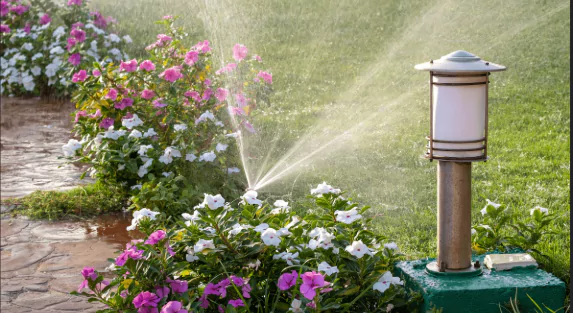
Water is a precious resource, and as climate concerns grow, homeowners, businesses, and landscape designers are shifting toward sustainable irrigation practices. A well-planned eco-friendly irrigation system can help maintain a healthy, vibrant landscape while conserving water, reducing costs, and minimizing environmental impact.
But how can you incorporate sustainable irrigation into your landscape design without sacrificing beauty or functionality? Let’s discuss.
Why Sustainable Irrigation Matters
Traditional irrigation methods often lead to water waste, soil degradation, and higher utility bills. Overwatering, inefficient sprinkler systems, and evaporation losses can make landscape maintenance expensive and unsustainable.
By integrating sustainable irrigation techniques, you can:
✔ Reduce water consumption and lower costs
✔ Enhance plant health with proper hydration
✔ Minimize runoff and soil erosion
✔ Support local ecosystems and biodiversity
✔ Comply with water conservation regulations
A thoughtfully designed irrigation system can balance aesthetics with efficiency, ensuring that landscapes thrive while protecting natural resources.
Key Sustainable Irrigation Techniques
Let’s explore practical and effective ways to integrate sustainability into your landscape irrigation.
1. Drip Irrigation: Targeted and Efficient Watering
One of the best ways to reduce water waste is by switching to a drip irrigation system. Unlike traditional sprinklers that spray water over a large area, drip irrigation delivers water directly to plant roots, minimizing evaporation and runoff.
✔ Saves up to 50% more water than overhead sprinklers
✔ Reduces weed growth by avoiding unnecessary watering
✔ Prevents fungal diseases by keeping foliage dry
Best for: Flower beds, vegetable gardens, trees, and shrubs.
2. Smart Irrigation Controllers: Automating Water Efficiency
Gone are the days of manual irrigation timers. Smart irrigation controllers use weather data, soil moisture sensors, and plant-specific needs to automatically adjust watering schedules.
✔ Uses real-time weather updates to prevent overwatering
✔ Adjusts irrigation based on soil moisture levels
✔ Can be controlled via smartphone apps
By optimizing irrigation timing, smart controllers can reduce water waste by 30-50%.
Best for: Residential and commercial landscapes, golf courses, and parks.
3. Rainwater Harvesting: Utilizing Natural Water Sources
Why rely solely on municipal water when rainwater is readily available? Installing a rainwater harvesting system allows you to collect, store, and reuse rainwater for irrigation.
✔ Reduces dependency on municipal water supplies
✔ Lowers water bills and conserves groundwater
✔ Provides chemical-free water for plants
How to integrate rainwater harvesting:
- Install rain barrels at downspouts
- Use underground cisterns for large-scale storage
- Direct rainwater through permeable landscapes for natural absorption
Best for: Homes, farms, and large-scale landscaping projects.
4. Mulching: Retaining Soil Moisture Naturally
A simple yet effective technique, mulching helps retain soil moisture, regulate temperature, and reduce evaporation.
✔ Reduces water evaporation by up to 70%
✔ Suppresses weed growth, reducing competition for water
✔ Improves soil health by adding organic matter
Use materials like wood chips, straw, bark, or compost to create a protective barrier around plants and trees.
Best for: Garden beds, tree bases, and vegetable gardens.
5. Xeriscaping: Designing Water-Efficient Landscapes
Xeriscaping is a landscaping approach that prioritizes drought-tolerant plants and minimizes the need for irrigation.
✔ Reduces water use by up to 75%
✔ Requires low maintenance once established
✔ Supports native plant biodiversity
How to implement xeriscaping:
- Choose drought-resistant native plants
- Reduce turf areas and replace with gravel, mulch, or ground covers
- Use contour planting to manage water flow naturally
Best for: Dry or arid regions, commercial properties, and public parks.
6. Soil Health Management: Optimizing Water Retention
Healthy soil acts as a natural sponge, holding moisture for longer periods and reducing irrigation needs. Improving soil health can enhance plant growth while minimizing water waste.
✔ Aerate compacted soil to improve water absorption
✔ Add organic matter (compost, biochar) to boost water retention
✔ Use cover crops to protect soil from erosion
Best for: Farms, orchards, and gardens with heavy clay or sandy soils.
Implementing Sustainable Irrigation in Your Landscape
Now that we’ve explored water-efficient irrigation methods, how can you integrate them into your landscape design?
Step 1: Assess Your Landscape’s Water Needs
Before installing any system, evaluate:
✔ Soil type and drainage capacity
✔ Sun and shade exposure
✔ Types of plants and their water requirements
✔ Local climate and rainfall patterns
This ensures that your irrigation system is tailored to your landscape’s specific conditions. If you’re looking for expert solutions, SeattleLandscapes.com excels in irrigation in Seattle, offering tailored systems that promote water conservation while keeping landscapes lush and vibrant.
Step 2: Choose the Right Irrigation System
Based on your assessment, select the most water-efficient irrigation method:
- Drip irrigation for targeted watering
- Smart irrigation controllers for automation
- Rainwater harvesting for self-sufficient watering
- Xeriscaping for low-water landscaping
Combining multiple methods maximizes efficiency and reduces waste.
Step 3: Implement Water Conservation Strategies
Even with an efficient irrigation system, additional strategies can further reduce water usage:
✔ Water early in the morning or late in the evening to reduce evaporation
✔ Group plants with similar water needs to avoid overwatering
✔ Maintain irrigation systems to fix leaks and prevent inefficiencies
✔ Incorporate permeable surfaces (gravel, pavers) to allow natural water absorption
Step 4: Monitor and Adjust
Sustainable irrigation is an ongoing process. Regularly check:
✔ Soil moisture levels and adjust irrigation accordingly
✔ Weather patterns to modify watering schedules
✔ Plant health to ensure proper hydration
By making continuous adjustments, you ensure long-term water conservation and landscape sustainability.
Final Thoughts: Creating a Water-Efficient Landscape
Integrating sustainable irrigation practices into your landscape design is both an environmental and economic win. By reducing water waste, optimizing plant health, and utilizing smart water-saving techniques, you can create a beautiful, thriving, and eco-friendly landscape.
Would you consider switching to a sustainable irrigation system? What challenges do you face in water-efficient landscaping? Let’s discuss it!
