

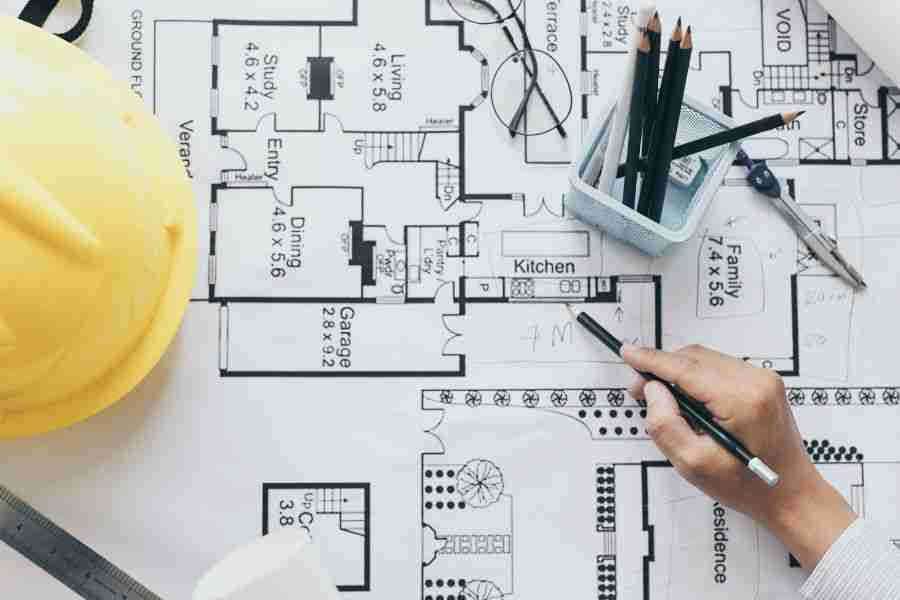
Construction projects often begin with vision and creativity, but they succeed through structure and compliance. From initial planning to final inspection, every phase involves legal responsibilities that protect property owners, contractors, and stakeholders.
Ignoring legal considerations can lead to delays, disputes, financial penalties, or even project shutdowns. Understanding the legal framework behind each stage ensures smoother execution and long-term security. Below is a practical overview of the key legal aspects that must be addressed from blueprint to project completion.
1. Pre-Construction Planning and Zoning Approval
Legal compliance begins before ground is broken. Before any construction starts, property owners must confirm zoning regulations, land-use permissions, and planning approvals. Local councils or authorities typically regulate what can be built, how high structures can rise, and how properties must be positioned on a lot.
Failing to obtain the correct permits can result in costly redesigns or demolition orders. Engaging planning consultants or legal advisors early helps ensure that design blueprints align with municipal regulations and environmental requirements.
2. Contract Drafting and Scope Definition
A well-drafted contract is one of the most important safeguards in construction. It should clearly outline the scope of work, payment schedule, timelines, materials, responsibilities, and dispute resolution processes.
Ambiguity in contracts often leads to disagreements about deliverables or delays. Legal review of agreements ensures that all parties understand their obligations and protections. Transparent documentation reduces the risk of misunderstandings during project execution.
3. Licensing and Contractor Compliance
Only qualified professionals should carry out regulated work. Construction projects require licensed builders, electricians, plumbers, and other trade professionals. Verifying contractor credentials and insurance coverage protects both financial investment and liability exposure.
If unlicensed work is completed improperly, property owners may face safety risks or legal penalties. Ensuring compliance at this stage safeguards project quality and prevents future legal challenges.
4. Workplace Safety and Liability
Safety compliance protects people and reduces legal risk. Construction sites present inherent safety hazards. Occupational health and safety regulations require risk assessments, protective equipment, and structured safety procedures.
Project managers must ensure that safety standards are strictly followed. Failure to comply with safety regulations can lead to legal action, financial penalties, and reputational damage. Maintaining proper documentation of safety inspections also strengthens legal protection in case of disputes.
5. Procurement and Supply Agreements
Material sourcing requires contractual clarity. Construction projects rely on the timely procurement of materials and equipment. Supply agreements should include pricing terms, delivery timelines, warranties, and dispute clauses.
Delays or substandard materials can impact both structural integrity and legal standing. Clear purchase agreements reduce the risk of financial loss and ensure accountability across suppliers and subcontractors.
6. Variations and Change Management
Changes must be documented in writing. Construction rarely proceeds without adjustments. Whether changes are requested by the client or required due to site conditions, all variations must be formally recorded.
Written variation agreements should detail cost implications, schedule changes, and scope modifications. Verbal agreements often lead to disagreement and legal conflict. Structured documentation protects both contractors and property owners.
7. Insurance and Risk Allocation
Insurance coverage provides financial protection against unforeseen events. Construction insurance typically includes public liability, contract works insurance, and professional indemnity coverage. These policies protect against property damage, third-party injury claims, and design errors.
Understanding how risk is allocated between parties within contracts ensures clarity in case issues arise. Comprehensive coverage reduces financial exposure throughout the build.
8. Final Inspections and Compliance Certification
Completion requires formal approval. Before a project is considered complete, it must pass inspections and meet building code requirements. Certification confirms compliance with structural, electrical, plumbing, and safety standards.
Occupancy permits or compliance certificates are often required before the building can legally be used. Retaining final documentation ensures long-term legal protection and assists with future property transactions.
Protecting Your Project From Start to Finish
Construction projects involve far more than design and labour. They require careful legal planning, structured contracts, regulatory compliance, and documented procedures.
From securing zoning approval to final certification, every stage carries legal responsibilities. Proactive planning minimises risk, prevents disputes, and ensures that projects move efficiently toward completion. When legal considerations are prioritised from blueprint to handover, the result is not only a finished structure but a legally secure investment.
Author BIO: Callum Hewitt writes about appliance maintenance and Delonghi spare parts, sharing practical tips that help homeowners repair, maintain, and extend the life of their machines.
