

You’ve just finished the trek. Your knees are sore, your bag smells like a yak barn, and all you want is a hot shower in Kathmandu. Then you get to Lukla and someone at the counter says the magic words: “flight delayed, checking weather.” For a lot of trekkers, this is the moment the Everest journey actually gets stressful — not on the trail, but sitting in a tea house near the airstrip, watching the clouds roll in and out of the valley.
Lukla sits in a tight mountain bowl, and the airstrip itself is short, angled, and surrounded by terrain that doesn’t forgive bad visibility. Pilots need clear skies and steady wind to land or take off there, and that combination can disappear in twenty minutes. This is exactly why so many people start looking into a Lukla to Kathmandu helicopter as a backup once regular flights start piling up.
It’s a reasonable thing to consider, especially if you’ve already lost a day or two to weather. But it helps to go in with realistic expectations. A helicopter isn’t a workaround for bad mountain weather — it’s just another aircraft that also needs decent conditions to fly safely.
Lukla to Kathmandu Helicopter: What Travelers Actually Need to Know
How the Helicopter Option Works
Helicopters flying out of Lukla generally operate from the same general airport area as the fixed-wing planes, though they use a separate section for loading and takeoff. The route itself follows more or less the same corridor down toward Kathmandu, just at a different altitude and speed profile than a Twin Otter or a Dornier.
The appeal is flexibility. A helicopter can sometimes squeeze through a short weather window that a scheduled plane can’t use, partly because of how it takes off and partly because operators can be more responsive when there’s a paying group ready to go. But that doesn’t mean helicopters are immune to the mountains. Low cloud sitting in the valley, poor visibility, or strong crosswinds will ground a helicopter just as fast as a plane — sometimes faster, since rotor aircraft have their own set of wind and visibility limits.
Helicopter vs Regular Lukla Flight
Put side by side, the two options look pretty different. Fixed-wing flights are cheaper, run on a fixed schedule, and carry more people per flight, which makes them the default choice for most trekkers. Helicopters cost noticeably more, carry far fewer passengers at a time, and don’t run on a public timetable in the same way — they’re arranged more on demand. Where a helicopter earns its price is flexibility: when regular flights are backed up for days, a Lukla to Kathmandu helicopter can sometimes get a small group moving sooner, weather allowing. Cancellation risk exists for both, but it tends to hit helicopters a bit less hard simply because they can operate in a narrower window that a scheduled flight might miss.
Why Lukla Flights and Helicopters Get Delayed
Weather Is the Main Factor
Almost every delay at Tenzing-Hillary Airport comes down to weather in one form or another. Low cloud sitting over the valley is probably the most common culprit, followed by fog rolling in from lower elevations, gusty or shifting wind along the runway, and rain that cuts visibility even further. Seasonal patterns matter too — the shoulder seasons and monsoon months tend to bring more unpredictable mountain weather than the clearer stretches of autumn and winter mornings.
Why a Helicopter Cannot Always Solve the Problem
This is the part people sometimes miss. A helicopter still needs safe visibility, a workable ceiling, and wind within operating limits — mountain aviation doesn’t get easier just because the aircraft is smaller. A pilot who delays or cancels isn’t being overly cautious; they’re making a call based on real risk. And because mountain weather shifts fast, a brief clearing might open a departure window for an hour and then close again, which is why things can feel chaotic even when everyone’s doing everything right.
What Travelers Should Do During a Delay
A few practical habits make delays much easier to handle. Stay in close contact with your trekking agency rather than relying only on airport announcements — they usually get information faster. Don’t assume the first cancellation means the whole day is a write-off; conditions can change by midday. Keep your luggage and documents together and ready to move at short notice. If you have any control over it, avoid booking a tight international flight out of Kathmandu on the same day you’re due back from Lukla. And it’s worth keeping some extra cash or a flexible payment method on hand, in case a helicopter arrangement comes together quickly and needs to be paid for on the spot.
When Is a Lukla to Kathmandu Helicopter a Good Backup?
There are specific situations where going for a helicopter actually makes sense. If regular flights have been cancelled outright, if there’s a growing line of trekkers waiting for the next available seat, if you have an important onward connection you genuinely can’t miss, or if your whole itinerary has already lost a day or two to weather, a helicopter starts looking like a sensible move rather than an indulgence. It’s also a reasonable option for a group that decides waiting around another full day isn’t worth it and would rather pay more for certainty — or at least a better shot at it.
Can I take a helicopter from Lukla to Kathmandu if my flight is cancelled? In many cases, yes, assuming weather allows it and a seat or aircraft is actually available. But don’t rush into it. Bad weather affects helicopters too, so booking one doesn’t guarantee you’ll fly any sooner. Last-minute availability can be tight, especially when a lot of other stranded passengers are thinking the same thing, and prices tend to move depending on demand and how the operators are managing things that day. Safety decisions always come before anyone’s schedule, and that’s not something worth pushing against.
How Helicopter Availability Works in Lukla
Same-Day Availability
On any given day, helicopter availability depends on a handful of moving parts: which aircraft are actually in the area, current weather, how many other passengers are stranded and need transport, which flights or missions get priority, what the airport’s operational permissions allow at that moment, and general demand. None of this is something a traveler can predict from a tea house in Lukla — it’s mostly a case of waiting and staying in the loop.
Private vs Shared Helicopter Options
There are generally two ways this plays out. A shared helicopter groups several passengers together and splits the cost, which tends to be the more affordable route when seats happen to be available. A private charter gives you more control over timing but comes at a considerably higher price, and it still depends entirely on whether an aircraft is free to take the job. Neither option is guaranteed on short notice, so it’s worth going in with flexible expectations either way.
Booking Through a Trekking Agency
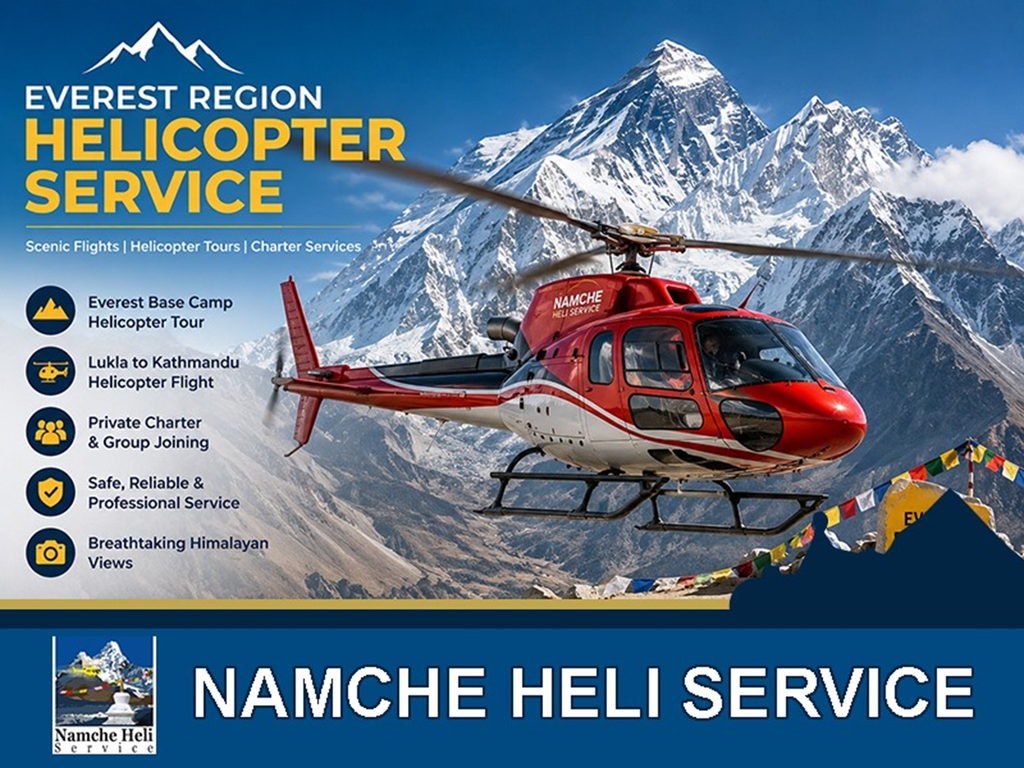
This is where having a decent trekking company behind you actually pays off. A good agency can monitor the situation on the ground in real time, coordinate directly with helicopter operators, and handle a lot of the airport logistics that would otherwise fall on you. Travelers sometimes come across operators like Namche Heli while sorting out mountain helicopter transportation in the region — it’s one example among several companies running helicopter services through the Khumbu, and having your agency handle that conversation usually saves a lot of confusion.
Everest Helicopter Tour vs Emergency Lukla-to-Kathmandu Flight
It’s easy to mix these two up, especially when researching online, so it’s worth separating them clearly.
Planned Everest Helicopter Tour
An Everest helicopter tour is a scenic product built around mountain views — flying close to Everest, seeing the Khumbu from the air, landing at a scenic viewpoint, and returning. It’s planned in advance, with a fixed route and purpose: sightseeing, not transportation.
Transportation Helicopter From Lukla
A Lukla-to-Kathmandu helicopter, on the other hand, exists to solve a logistics problem. It’s about getting trekkers back to Kathmandu after their trek, usually because regular flights are delayed or full. The purpose is functional, not scenic, even though the views along the way are naturally impressive. Confusing the two can lead to disappointment — someone expecting a sightseeing experience from an emergency transport flight, or vice versa, is going to be let down.
Everest Base Camp Helicopter Tour vs Trekking Return by Helicopter
A related mix-up happens around Base Camp products specifically.
An Everest Base Camp helicopter tour is generally aimed at travelers who want to see the region — and sometimes land near Base Camp — without doing the multi-day trek on foot. It’s a shorter, more accessible way to experience the area.
An Everest Base Camp Trek with Helicopter Return, by contrast, is for people who actually walk the trek up to Base Camp and then fly back by helicopter instead of retracing the trail or flying commercially from Lukla. This distinction matters a lot when you’re comparing prices, itineraries, and inclusions online, because these two products solve completely different problems even though they share similar keywords.
Best Backup Options If No Helicopter Is Available
Helicopters aren’t the only answer, and honestly, they’re not always the right one. A few alternatives are worth keeping in mind.
Waiting for the next available flight is usually the most sensible option if weather is expected to improve and you have some flexibility in your schedule — it’s also the cheaper route by a wide margin. Waiting for a helicopter seat can work if shared seats open up as other stranded passengers get grouped together, though this depends heavily on timing and luck. Adjusting your Kathmandu schedule, by building in a buffer day or two after the trek, takes a lot of the pressure off entirely. And wherever possible, protect your international connection by not scheduling it for the same day you’re due to fly out of Lukla — this single decision probably prevents more travel headaches than anything else on this list.
What should I do if my Lukla flight is cancelled? Stay calm, stay in touch with your agency, keep an eye on weather updates, and be ready to adjust your onward plans if needed. Panic doesn’t get you to Kathmandu any faster.
How to Plan for Lukla Weather Delays Before Starting the Trek
Most of this comes down to planning before you even start walking. Build at least one buffer day into your Kathmandu schedule if you can. Don’t design your entire itinerary around a precise Lukla departure time — treat it as an estimate, not a guarantee. Check seasonal weather patterns for the Khumbu before you travel, and keep your trekking agency updated about any onward international flights so they know what’s at stake. Avoid non-refundable connections that leave you no room to recover from a delay, keep your travel insurance documents somewhere accessible, and hold onto a bit of financial flexibility in case transportation plans shift last minute.
Here’s a simple example of how this plays out. The plan was Lukla to Kathmandu, then straight onto an international flight the same evening. The problem: the Lukla flight gets cancelled because of weather, and there’s no room left in the schedule. A better plan looks like this instead — fly back to Kathmandu with a spare day built in, and push the international flight to the following day. It’s a small change that removes almost all the stress from the situation.
What to Pack or Keep Ready for an Unexpected Delay
A few essentials are worth keeping in your hand luggage rather than your checked bag: your passport, boarding information, travel insurance details, your phone and a power bank, some cash, any essential medication, a light or warm layer depending on the season, water and snacks, and your Kathmandu hotel or onward flight information. Checked luggage doesn’t always move exactly on schedule during weather disruptions, so having the essentials within reach just makes sense.
Final Thoughts — Build a Backup Plan, Not Just a Trekking Plan
If there’s one thing worth taking away from all this, it’s that Lukla transportation runs on the mountain’s schedule, not yours. A helicopter can be a genuinely useful alternative when regular flights back up, but it’s not a guaranteed fix — it’s still an aircraft, and it still needs decent weather to fly. The smartest move isn’t finding the perfect transportation option; it’s building enough flexibility into your itinerary that a delay doesn’t wreck your plans.
Before you leave Kathmandu, ask your trekking company exactly what happens if your Lukla flight is cancelled — and what helicopter or alternative transport options they can actually arrange. That one conversation, had early, tends to save people a lot of stress la
Frequently Asked Questions About Lukla to Kathmandu Helicopter Travel
How long does a helicopter take from Lukla to Kathmandu?
It’s a relatively short flight compared with the road journey, generally under an hour in good conditions, though exact timing depends on the route and weather that day.
Can I book a helicopter from Lukla to Kathmandu after my flight is cancelled?
Often yes, but it depends on weather, aircraft availability, and how your trekking agency coordinates with local operators at the time.
Can helicopters fly from Lukla in bad weather?
No, not reliably. Helicopters still need safe visibility and manageable wind conditions, so bad weather grounds them the same way it grounds fixed-wing flights.
Is a Lukla to Kathmandu helicopter cheaper than a private charter?
A shared helicopter seat is generally more affordable than booking a private charter outright, though actual costs shift with demand and availability rather than following a fixed rate.
What happens if both flights and helicopters are cancelled?
You wait, monitor weather updates through your agency, and adjust your itinerary if the delay stretches into another day. It’s frustrating, but it’s also fairly common during unsettled weather.
Should I book a helicopter in advance for my Everest Base Camp trek?
That depends on what you’re after. If you specifically want a planned helicopter return as part of your trek, you can arrange that ahead of time. If you’re just hoping to have a backup in case of delays, it’s better to treat helicopter transport as a contingency you sort out with your agency if and when it’s needed, rather than something to lock in early.
Contact Details
Namche Heli Service
Namche Bazzar, Solukhumbu, Nepal
(Branch Office :Kathmandu Naya Bazar)
Phone +977-985-2850192 (WhatsApp)
Email: [email protected]
URL: www.namcheheli.com
