

Introduction
Premium Daiginjo sake represents one of the highest expressions of Japanese brewing artistry, celebrated for its elegance, balance, and refined flavor structure. Crafted through meticulous polishing and precise fermentation, this style of sake appeals to drinkers who value nuance over intensity. Its light texture and aromatic clarity distinguish it from more robust varieties, making it especially appealing to those seeking sophistication in their glass.
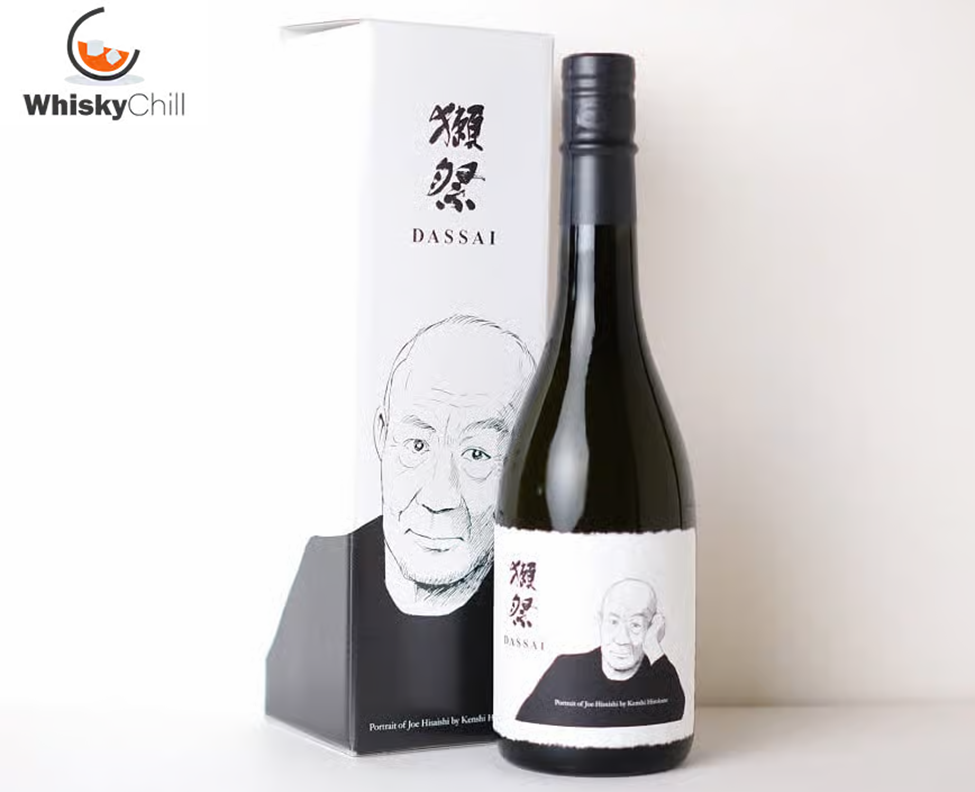
Among premium options, 獺祭三割九分 is often regarded as a reference point for smoothness and approachability. Its reputation has helped introduce Daiginjo sake to new audiences, including a growing number of Canadian consumers interested in premium beverages with cultural depth. As interest in Japanese cuisine and craftsmanship expands across Canada, Daiginjo sake has found a receptive and curious audience.
This article explores the defining qualities of premium Daiginjo sake, offering insight into how it is made, how it tastes, and how it fits into modern lifestyles. Readers will learn about rice polishing, brewing methods, and tasting techniques that elevate appreciation. Guidance on pairing, collecting, and purchasing in Canada will also be included.
Through this exploration, sake is presented not simply as a drink, but as an experience shaped by tradition, innovation, and care. The goal is to encourage informed enjoyment and thoughtful selection, helping readers develop confidence and curiosity when exploring premium Daiginjo sake.
The Definition of Daiginjo Sake
Daiginjo sake represents one of the most refined and carefully crafted categories of Japanese sake, defined by strict production standards that prioritize elegance and precision. At its core, this style requires rice to be polished to at least fifty percent of its original size, often even further, depending on the brewer’s approach. By removing the outer layers of the rice grain, which contain fats and proteins that contribute heavier or harsher flavors, brewers create a clean foundation that allows subtle taste nuances and delicate aromas to develop during fermentation. This intensive polishing is labor-intensive and time-consuming, which partly explains why Daiginjo sake is regarded as a premium option.
Unlike more rustic or full-bodied sake varieties, Daiginjo focuses on balance, smoothness, and aromatic complexity rather than pronounced alcohol strength. Brewers meticulously control temperature, fermentation timing, and yeast selection to cultivate fragrant, light, and refined flavors. Small amounts of distilled alcohol may be added in some Daiginjo production to enhance aroma and texture, but this is done thoughtfully and with restraint, ensuring the alcohol does not dominate the profile. The final result is a sake that is soft, elegant, and approachable, with a graceful mouthfeel that appeals to both newcomers and experienced enthusiasts.
Aromatically, Daiginjo is often characterized by floral and fruity notes such as melon, pear, apple, or even hints of citrus blossom. These qualities are naturally developed through careful fermentation rather than artificial additives. The texture is typically silky and smooth, gliding effortlessly across the palate, leaving a clean and refreshing finish. This combination of aroma, flavor, and texture defines the style and differentiates it from other sake types.
For Canadian consumers, understanding the defining elements of Daiginjo sake provides valuable guidance for selection and appreciation. These bottles often carry higher price points due to labor-intensive processes and refined craftsmanship, making them ideal for special occasions, gifting, or personal enjoyment. Recognizing the dedication behind each bottle encourages informed purchasing, deepens enjoyment, and highlights why Daiginjo holds a prestigious place in the premium sake market. This awareness supports a richer, more mindful exploration of high-quality sake within Canada’s growing community of enthusiasts.
Rice Polishing and Its Impact on Taste
Rice polishing is one of the most critical factors influencing the character and quality of Daiginjo sake. The process involves carefully removing the outer layers of each rice grain, which contain proteins, fats, and minerals that can contribute heavier or rougher flavors. What remains is the pure, starchy core, which ferments more cleanly and allows subtle aromas and delicate flavor notes to emerge. The degree of polishing directly affects the sake’s texture, clarity, balance, and overall refinement, making it a defining characteristic of premium Daiginjo.
When rice is polished to just thirty-nine percent remaining, as in some high-end Daiginjo varieties, the process becomes extremely labor-intensive and requires meticulous attention to detail. Brewers must manage polishing speed, temperature, and mechanical pressure carefully to prevent damage to the grain. Even minor deviations can compromise quality, so patience and precision are essential. This level of refinement not only enhances the sake’s smoothness and elegance but also explains the higher production costs associated with such premium offerings.
The effect of extensive polishing on taste is evident from the first sip. Sake produced from highly polished rice exhibits a gentle, naturally sweet flavor, balanced acidity, and a light, clean finish. Harsh or overpowering notes are minimized, allowing nuanced floral, fruity, or umami undertones to gradually reveal themselves on the palate. This makes the sake highly versatile for pairing with delicate foods and encourages mindful, slow tasting rather than hurried consumption.
For Canadian consumers exploring premium sake, understanding the role of rice polishing provides valuable insight into why certain bottles feel softer, smoother, and more aromatic. It allows enthusiasts to compare different Daiginjo styles, understand price differences, and choose bottles that match personal preferences. Rice polishing is less about hierarchy and more about intention and style, highlighting the brewer’s craft. By appreciating its impact, drinkers gain a deeper respect for the precision and patience behind each bottle, transforming every tasting into an educational and sensory experience rooted in tradition and care.
Brewing Techniques for High-Quality Sake
Brewing premium Daiginjo sake is a meticulous process that combines science, experience, and intuition to create a beverage of refined elegance. Every stage of production is designed to preserve delicate aromas and enhance smooth fermentation, ensuring that the final product embodies balance and subtlety. After the rice has been polished, it undergoes careful washing, soaking, and steaming. Precise control of timing and moisture is essential, as even minor deviations can affect how yeast interacts with starch during fermentation, directly influencing the sake’s flavor and texture.
Koji cultivation is one of the most critical stages in producing high-quality sake. Koji mold transforms rice starches into fermentable sugars, creating the foundation for alcohol, flavor, and mouthfeel. During this process, brewers carefully monitor temperature and humidity, adjusting conditions manually rather than relying on automation. This attention ensures uniformity and allows for the development of nuanced aromas. Fermentation then proceeds slowly at low temperatures, often lasting several weeks. This deliberate pace protects floral and fruity notes while maintaining clarity and a smooth profile.
Water quality is another essential element in Daiginjo production. Soft water tends to produce gentle, rounded flavors, whereas water with higher mineral content can influence yeast activity and the final taste profile. Breweries select water sources carefully to complement the intended style of sake. Yeast strains are also chosen deliberately for their ability to generate refined aromas without overpowering the palate.
For Canadian enthusiasts, understanding these brewing techniques provides valuable insight into why premium Daiginjo stands apart from mass-produced alcohol. The labor-intensive process, extended timelines, and careful monitoring all contribute to its value and character. Each bottle reflects countless small decisions made by skilled brewers who prioritize harmony, precision, and consistency. This attention to detail results in a sake that feels composed, elegant, and rewarding. By appreciating the brewing process, consumers gain a deeper understanding of why Daiginjo merits thoughtful tasting and careful enjoyment.
Flavor Profile and Aromatics
The flavor profile of premium Daiginjo sake is defined by subtlety, elegance, and balance rather than intensity or overpowering taste. Aromatics play a leading role in the tasting experience, rising gently from the glass to offer delicate notes that intrigue without sharpness. Common impressions include sweet, juicy melon, crisp pear, soft apple, and faint floral undertones reminiscent of blossoms. These scents emerge naturally during fermentation and the careful handling of polished rice rather than from any additives, reflecting the brewer’s expertise and intentional craftsmanship. Aromatics set the stage for the tasting experience, creating anticipation before the first sip and highlighting the refined nature of this sake style.
On the palate, Daiginjo sake is light, smooth, and elegantly textured. Its gentle sweetness is balanced by soft acidity, while a silky mouthfeel allows flavors to unfold gradually across the tongue. Unlike heavier or more rustic sakes, bitterness is rarely present, and the finish is clean and refreshing, leaving a sensation of refinement rather than lingering heaviness. This balance ensures that each sip feels harmonious, supporting both casual enjoyment and more formal tasting occasions.
Flavor perception can shift depending on serving temperature and glassware choice. Slightly chilled sake emphasizes crispness and highlights floral and fruity notes, whereas warmer conditions can reveal more depth in the rice’s character and subtle umami undertones. Wine-style glasses further enhance aromatic concentration, allowing the drinker to experience layers of scent and taste simultaneously.
Canadian consumers often appreciate this delicate balance, particularly those exploring sake as an alternative to wine or pairing beverages with light, refined dishes. The restrained profile makes Daiginjo versatile for varied occasions, whether a quiet dinner at home, a festive celebration, or a guided tasting experience. Understanding these flavor characteristics encourages slower sipping and mindful enjoyment. Premium Daiginjo rewards attention and curiosity, offering quiet complexity that is both approachable and sophisticated.
Temperature and Serving Recommendations
Serving temperature plays a crucial role in how premium Daiginjo sake is experienced, shaping both aroma and flavor perception. Most brewers recommend enjoying it slightly chilled or lightly cool, as this preserves aromatic clarity and highlights delicate fruit and floral notes. Temperatures that are too warm can suppress fragrance, while overly cold conditions may dull subtle flavors, masking the complexity that distinguishes high-quality Daiginjo. By paying attention to temperature, drinkers can enhance their overall tasting experience, allowing the sake’s refined character to emerge naturally with each sip.
Glassware also significantly influences the sake experience. Modern wine glasses or tulip-shaped sake glasses allow aromas to concentrate and release gradually, enhancing perception. The wider rims of these glasses guide scent toward the nose, encouraging mindful engagement with fragrance and flavor. While traditional sake cups carry cultural meaning and are ideal for ceremonial or formal occasions, they limit the expression of aromatics and subtle notes. Selecting appropriate glassware helps bring out the full sensory potential of premium Daiginjo.
In Canada, enthusiasts often rely on guidance from specialty retailers and online educational resources. Platforms like whiskychillhk.com provide authentic sake selections along with detailed product information, helping consumers make informed choices about temperature, serving, and pairing. Reliable sourcing ensures that bottles arrive in optimal condition, maintaining the delicate balance of aroma and taste intended by the brewers.
Proper serving also involves storage and presentation. Bottles should be kept upright in cool, dark environments prior to opening, and refrigeration after opening preserves freshness for several days. Pouring smaller amounts during a session helps maintain optimal temperature throughout enjoyment. Ultimately, serving Daiginjo is not about rigid rules but about honoring craftsmanship. Thoughtful attention to temperature, glassware, and presentation transforms a simple drink into a refined, mindful experience, allowing Canadian drinkers to fully appreciate the elegance and sophistication of this premium sake.
Pairing Daiginjo with Cuisine
Daiginjo sake is best enjoyed alongside foods that complement its delicate structure, allowing its aroma, texture, and subtle flavors to shine without being overshadowed. Light and refined dishes are ideal, as they highlight the sake’s gentle sweetness, soft acidity, and clean finish. Traditional Japanese cuisine naturally pairs with Daiginjo, with options such as sashimi, lightly steamed fish, tofu-based dishes, and delicate vegetable preparations emphasizing freshness and balance. These pairings showcase the sake’s refined character while preserving harmony between food and beverage.
Beyond Japanese fare, Daiginjo adapts exceptionally well to international cuisines. Soft cheeses, lightly seasoned poultry, seafood pasta, and poached vegetables work well, enhancing the sake’s gentle profile rather than competing with it. Even simple vegetable or salad dishes benefit from the clean finish, which refreshes the palate between bites and allows flavors to unfold gradually. By focusing on gentle seasoning and fresh ingredients, the sake complements meals across different culinary traditions, making it versatile for home dining, fine dining, or celebratory occasions.
When pairing, seasoning is often more important than the type of protein. Heavy sauces, strong spices, or intensely flavored dishes can overpower Daiginjo’s subtlety, masking its nuanced aromas and refined texture. Instead, meals prepared with restraint and attention to natural flavors are most suitable. This approach aligns closely with contemporary Canadian dining trends, which emphasize freshness, mindfulness, and balance.
Occasion also plays a role in pairing decisions. Daiginjo is ideal for celebratory meals, tasting events, intimate dinners, or gatherings where conversation and appreciation of food and drink are central. Its lightness allows for longer meals without fatigue, enhancing the overall dining experience. Canadian enthusiasts can experiment creatively with local ingredients while respecting the sake’s character, producing harmonious pairings that highlight both tradition and modern culinary sensibilities. Thoughtful food choices transform Daiginjo into more than a beverage,it becomes an integral part of lifestyle, connection, and mindful enjoyment.
Collecting Rare Bottles: Value, Rarity, and Storage
Collecting premium Daiginjo sake appeals to enthusiasts who appreciate craftsmanship, provenance, and limited production. Unlike mass market beverages, rare sake bottles are often produced in small quantities, with availability influenced by seasonal brewing cycles. This scarcity contributes to their appeal and perceived value among collectors.
Collectors often seek bottles with distinctive polishing ratios, respected brewery reputations, and consistent quality records. Packaging, release year, and storage history also influence desirability. While some collectors focus on long term value, many prioritize the experience of sharing exceptional bottles during meaningful occasions.
Proper storage is essential for maintaining quality. Daiginjo sake should be kept in cool, dark environments away from temperature fluctuations. Refrigeration is ideal, especially for unopened bottles intended for extended storage. Upright positioning helps protect flavor integrity and minimizes oxidation risks.
In Canada, collecting sake reflects a growing interest in global food and beverage culture. Enthusiasts often view their collections as personal libraries rather than investments. Each bottle represents a story of place, technique, and intention.
Collecting should remain enjoyable rather than competitive. Opening and sharing bottles deepens appreciation and supports social connection. By understanding rarity and storage best practices, collectors preserve quality while honoring the brewer’s work. This approach aligns collecting with mindfulness and enjoyment rather than accumulation alone.
Purchasing Premium Sake in Canada
Acquiring premium Daiginjo sake in Canada requires careful attention to authenticity, sourcing reliability, and proper handling. As interest in Japanese sake grows among Canadian consumers, especially for high-end styles, selecting reputable retailers is essential. Specialty sellers understand the delicate nature of premium sake, including temperature-sensitive storage and careful transportation. Choosing trusted sources ensures that bottles arrive in optimal condition, maintaining aroma, flavor, and texture as intended by the brewer.
Pricing for premium Daiginjo varies widely, influenced by factors such as rice polishing ratio, rarity, and import availability. While higher-end bottles command premium prices, these reflect the labor-intensive processes, precision, and limited yields involved in production. Rather than making decisions based solely on cost, buyers benefit from comparing product descriptions, tasting notes, and production details. This allows for informed selection, ensuring the bottle aligns with expectations for quality and sophistication.
Online retail has expanded accessibility, particularly for Canadians outside major urban centers. Reputable platforms provide comprehensive product information, including tasting profiles, ideal serving recommendations, and storage guidance. Clear policies on shipping, temperature control, and returns signal professionalism and reliability, giving buyers confidence when ordering from home.
Authenticity remains critical when purchasing premium sake. Genuine imports are clearly labeled, often including brewery information and consistent branding. Retailers sourcing directly from breweries or established distributors reduce the risk of counterfeit or mishandled bottles. This attention to provenance ensures that Canadian consumers experience the sake as the creators intended.
Thoughtful purchasing supports both enjoyment and education. By choosing trusted sources and understanding indicators of quality, buyers can confidently explore Daiginjo sake. Whether selecting a bottle for personal tasting, home dining, or gifting, informed decisions enhance satisfaction. Aligning purchases with knowledge of craftsmanship, rarity, and flavor profiles allows Canadian consumers to fully appreciate premium sake while supporting a market that values quality and artisanal dedication.
Cultural Significance of Premium Sake
Premium Daiginjo sake is more than a beverage; it is a symbol of tradition, craftsmanship, and cultural celebration in Japan. Historically, it has been reserved for important milestones, ceremonies, and formal gatherings. Sharing a bottle represents respect, thoughtfulness, and a desire to elevate the moment for everyone involved. Each sip carries centuries of brewing expertise and reflects values such as harmony, precision, and mindfulness. For Canadian consumers, understanding the cultural significance of sake enhances appreciation and transforms tasting into a meaningful experience.
Cultural Significance Highlights
- Ceremonial Importance: Daiginjo sake is traditionally served during weddings, festivals, and milestone events. Its presence signals honor and celebration, emphasizing the value of shared experiences. This ceremonial role elevates the beverage beyond casual consumption into a meaningful ritual.
- Generational Craftsmanship: Breweries maintain techniques passed down over generations, preserving regional identity and accumulated knowledge. Each bottle reflects consistency, precision, and a commitment to quality. This heritage ensures that the sake carries both historical and artisanal significance.
- Social Connection and Hospitality: Pouring and sharing sake embodies trust, respect, and goodwill among participants. It fosters social bonds and unites people through shared experience. Even modern gatherings maintain this role, connecting drinkers to centuries-old cultural practices.
- Integration of Cultural Values: The brewing process mirrors broader Japanese values such as mindfulness, balance, and respect for natural ingredients. Attention to harmony and subtlety in flavor and aroma reflects these principles. Appreciating these elements enhances the drinking experience and deepens cultural understanding.
- Canadian Appreciation: For Canadian enthusiasts, learning about these cultural practices enriches the tasting experience. Respectful presentation and measured consumption align with traditional values. This approach allows drinkers to enjoy sake as both a refined beverage and a cultural exploration.
Recognizing the cultural significance of Daiginjo sake transforms it from a simple drink into a meaningful experience. It embodies centuries of tradition, refined craftsmanship, and social connection. Canadian consumers can appreciate both the artistry of production and the rituals surrounding consumption. Understanding this context encourages mindfulness, respect, and intentional enjoyment. Ultimately, each bottle provides a sensory journey that connects drinkers to Japanese heritage, making premium sake both a culinary and cultural experience.
Conclusion
Premium Daiginjo sake exemplifies the harmony between tradition, craftsmanship, and contemporary appreciation. From meticulously polished rice to carefully controlled fermentation, every stage of production is guided by precision and respect for detail. The resulting beverage delivers an experience defined by subtlety, elegance, and balance rather than bold intensity. This attention to refinement ensures that each bottle offers a complex yet approachable profile, appealing to both seasoned enthusiasts and newcomers alike.
Throughout this article, the foundations of Daiginjo sake have been explored, including its brewing techniques, aroma and flavor profiles, serving suggestions, and thoughtful food pairings. Understanding these elements allows consumers to appreciate the intricate craftsmanship behind each bottle. Knowledge of proper storage, presentation, and sourcing ensures that enjoyment is maximized, while awareness of cultural significance adds depth to the tasting experience. Collecting and gifting premium sake further highlights its role as both a refined beverage and a symbol of care.
For Canadian consumers, premium sake provides an opportunity to engage with global craftsmanship from the comfort of home. Reliable retailers and online resources make it easier than ever to purchase authentic bottles with confidence. Platforms such as whiskychillhk.com connect enthusiasts to genuine products, detailed descriptions, and professional guidance, helping buyers make informed decisions and ensuring that each bottle arrives in optimal condition.
As interest in Daiginjo grows, this style of sake integrates seamlessly into a lifestyle that values mindful consumption, quality dining, and meaningful social experiences. It complements celebrations, reflective moments, and shared experiences, offering both enjoyment and cultural insight. Canadian consumers are encouraged to explore responsibly, whether sampling new styles, enjoying meals with friends, or selecting thoughtful gifts. Browsing the shop or ordering online in Canada opens doors to discovery and appreciation.
Ultimately, premium Daiginjo sake rewards patience, curiosity, and attentiveness. Each bottle represents decades of brewing expertise and careful craftsmanship. By approaching it with respect and mindfulness, drinkers can experience not only a refined taste but also the story of artistry and dedication that defines every sip, making it a truly memorable addition to any occasion.
