

Fitness enthusiasts and professional athletes alike are in constant pursuit of the most effective workout regimens to enhance their physical prowess and achieve personal health goals. Indoor rowing has emerged as one of the key exercises capable of addressing numerous fitness objectives. The use of an ergometer is central to the mastery and revolution of indoor rowing, offering a comprehensive workout that is as rigorous as it is measurable.
Understanding the Ergometer
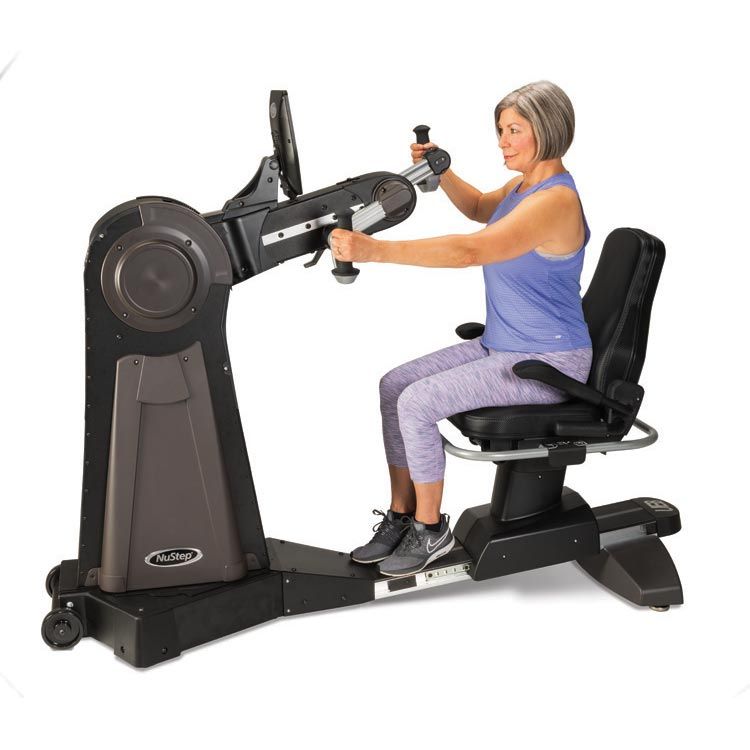
An ergometer is essentially a device that measures an individual’s work output. In the context of indoor rowing, it refers to the machine that quantifies the energy expended by the rower. The sophistication of modern ergometers has enabled sports scientists, trainers, and fitness aficionados to gauge performance with impressive accuracy. This feedback is quintessential for setting targets, tracking progress, and ensuring that every stroke propels one towards the zenith of their rowing prowess.
The Benefits of Indoor Rowing
The allure of indoor rowing is not just in its efficacy but also its inclusivity. Regardless of age or fitness level, anyone can benefit from the dynamic motion of rowing. Fitness experts advocate indoor rowing for its ability to provide a full-body workout while being low-impact, thereby reducing the risk of injury. It targets key muscle groups, enhances cardiovascular health, and elevates endurance. Furthermore, it is an efficient calorie burner and can be a useful tool for individuals aspiring to manage their weight.
Techniques for Effective Rowing
Technique is paramount in harnessing the full potential of the ergometer. The mastery of indoor rowing prescribes a rhythm that is both fluid and strong. The rowing stroke can be broken down into four fundamental phases: the catch, the drive, the finish, and the recovery. Each phase must be synchronised to maximise efficiency and minimise wasted effort. Correct posture and grip are essential to avoid strain and maximise the impact of each row.
Setting Targets with Ergometry
One of the prime advantages of using an ergometer is the ability to set precise performance targets. Whether it’s aiming to achieve a certain split time over 2000 meters or hitting specific wattages, the modern ergometer serves as a faithful custodian of one’s goals. Achieving mastery in indoor rowing thereby becomes a structured journey, marked by milestones that are as quantifiable as they are inspiring.
Training Diversity
The intelligent use of ergometers goes beyond mere repetitive motion; it includes integrating diverse training protocols. These can range from steady-state sessions to high-intensity interval training (HIIT). By adjusting resistance levels and stroke rate, individuals can tailor their workout intensity and add variety to prevent plateaus in performance and maintain motivation.
Overcoming Plateaus
Even the most seasoned indoor rowers can experience performance plateaus. The ergometer’s detailed feedback loop allows for swift identification of performance dips and facilitation of strategic changes to a regimen. Through staggered goal setting and modifying training intensity, advanced users can systematically elevate their thresholds and enhance performance consistency.
Competitive Edge
Indoor rowing is not only a fitness staple but also a competitive sport. Ergometers serve as both training apparatus and the medium for competition. Data from ergometers can be used to rank rowers globally, breathing life into virtual competitions. This sprouts camaraderie and a competitive spirit among rowers, propelling them to strive for rowing mastery.
Mental Toughness and Indoor Rowing
Beyond physical exertion, mastering indoor rowing demands mental resilience. The static nature of the ergometer requires an individual to remain mentally engaged and focused throughout their workout. This aspect of training can enhance mental toughness, which is valuable for athletic performance across all sports disciplines.
Tracking Progress and Recovery
Meticulous tracking of progress is simplified with an ergometer. Rowers can analyse data from each session, understand their physical responses, and adjust their training accordingly. Recovery is equally important, and monitoring the body’s response after workouts is critical to prevent overtraining and to promote overall well-being.
Integration with Technology
The integration of ergometers with contemporary technology has revolutionised the way rowers interact with their machinery. Many ergometers now offer connectivity with fitness apps and software, allowing for seamless tracking of workouts and social sharing of achievements. This technological bridge adds an interactive dimension to the often solitary nature of indoor rowing, keeping motivation high.
Ergometer Maintenance
To ensure that an ergometer provides consistent feedback and remains reliable, regular maintenance is needed. This includes checking the condition of movable parts, ensuring that electronic components are functioning properly, and making software updates when required.
Investing in the Right Ergometer
Not all ergometers are created equal. Those keen on mastering indoor rowing should invest in quality equipment that suits their individual needs and fitness levels. Durable construction, accurate data measurement, and ease of use are essential criteria when selecting an ergometer for home or commercial use.
Conclusion
Indoor rowing, empowered by the revolutionary use of ergometers, offers a fitness experience that is as comprehensive as it is transformative. Whether one is rowing to stay fit, lose weight, or compete at an elite level, the ergometer stands as a trusted ally in the quest for rowing mastery. It provides the framework whereby each stroke, each breath, and each session builds upon the last, culminating in a symphony of physical and mental synchronicity. For fitness enthusiasts looking to revolutionise their workout experience, embracing the mastery of indoor rowing with a modern ergometer is a voyage well worth embarking upon.
