

Introduction
Regular servicing of Heat Interface Units (HIUs) plays a vital role in maintaining the efficiency and reliability of district heating systems. High-rise and multi-residential buildings rely on HIUs to distribute heat and hot water consistently across multiple apartments. Over time, wear, scaling, and component drift can reduce performance, increase energy consumption, and lead to higher operational costs. Scheduled, professional servicing ensures that flow rates, valves, pumps, and sensors remain fully operational, providing tenants with consistent comfort and property managers with predictable system performance. By identifying and addressing minor issues early, regular service prevents costly breakdowns and prolongs the lifespan of the units.
HIU service is also critical for maintaining compliance with manufacturer guidelines and UK building regulations. Units such as Danfoss, Altecnic SATK32, and SAV Systems require model-specific attention, including pressure testing, flow validation, and software calibration. Engineers trained in these systems deliver precise diagnostics, adjustments, and maintenance while documenting all findings. This structured approach allows property managers, landlords, and housing associations to monitor system performance and plan preventative maintenance effectively. Professional service also ensures that energy consumption remains optimal, reducing unnecessary costs.
Consistent servicing enhances both energy efficiency and tenant satisfaction. Accurate heat distribution, stable flow, and properly calibrated sensors prevent underheating or overheating, which can affect comfort and utility bills. Maintenance routines also include inspection of heat exchangers, cleaning, and filter replacement, which directly impacts the unit’s efficiency. Well-maintained HIUs reduce the likelihood of emergency repairs, limit downtime, and support sustainability goals for communal heating networks. Strategic servicing is therefore not just a technical requirement but a financial and operational benefit for property managers and residents alike.
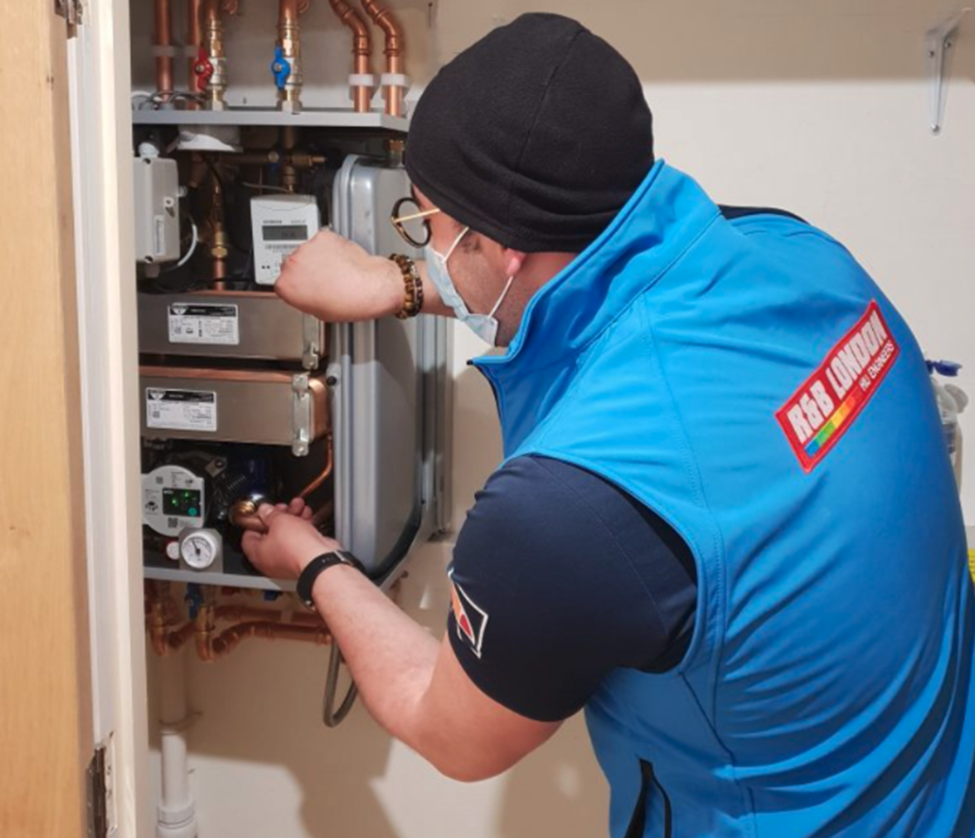
R&B London HIU Engineers Limited provides HIU service, repairs, and planned maintenance across London’s communal and district heating schemes. Their engineers follow manufacturer service procedures, including SAV Systems training, and deliver clear service reports with findings and recommendations. By supporting residents, landlords, managing agents, housing associations, and developers with reliable response and transparent communication, they ensure that district heating systems operate efficiently and safely. Regular, professional HIU servicing maximises efficiency, lowers energy costs, and maintains comfort across multi-unit properties.
Understanding System Performance Metrics
Assessing HIU performance requires careful measurement of several key metrics. Flow rates, heat transfer efficiency, and energy consumption provide insight into the operational health of each unit. Accurate monitoring of these metrics allows engineers to identify underperforming components and implement corrective measures. Consistently recording performance data establishes baselines and helps predict when maintenance or repairs are required. Understanding these indicators is essential for maintaining system efficiency and tenant comfort.
Flow rate measurement determines whether water circulates properly through heat exchangers and pipe networks. Low flow may indicate blockages, pump inefficiency, or valve restrictions. Engineers use flow meters and pressure gauges to measure volume and velocity at critical points in the system. Identifying discrepancies early allows corrective action, such as valve adjustment, pump servicing, or flushing pipework. Maintaining appropriate flow ensures uniform heating across apartments and reduces energy waste.
Heat transfer efficiency indicates how effectively a HIU delivers thermal energy from the primary district heating system to secondary circuits. Scaling, fouling, or component wear can reduce efficiency, forcing pumps to work harder and increasing energy consumption. Engineers measure temperature differentials across heat exchangers and evaluate thermal performance using diagnostic tools. Addressing inefficiencies through cleaning, component replacement, or recalibration restores optimal energy transfer. High heat transfer efficiency directly contributes to lower operating costs and consistent comfort for residents.
Energy consumption is a critical metric for evaluating the cost-effectiveness of HIU operation. Units that consume excessive energy may have faulty pumps, blocked valves, or sensor errors. Engineers analyse energy usage alongside flow and temperature data to pinpoint causes of inefficiency. Corrective actions optimise system performance and reduce operating expenses. By combining flow rate, heat transfer, and energy consumption metrics, property managers gain a comprehensive understanding of HIU efficiency and can implement strategies to maintain long-term reliability.
Evaluating Different HIU Brands for Servicing
Different HIU brands require tailored servicing approaches to maintain optimal performance. Danfoss, Altecnic SATK32, and SAV Systems each have specific components, control modules, and calibration requirements. Understanding the unique service needs of each model ensures precise maintenance, reduces system downtime, and prolongs unit lifespan. Property managers must consider model-specific procedures when planning maintenance schedules. Engineers trained in these brands provide targeted servicing that addresses mechanical, electrical, and control system requirements.
Danfoss HIUs often feature integrated pumps, valves, and electronic controllers that require careful calibration. Engineers inspect flow rates, check sensor accuracy, and verify valve operation. Control modules may need firmware updates or error code resets. Heat exchangers are descaled and checked for leaks to maintain energy efficiency. Regular servicing of Danfoss units ensures reliable operation and reduces energy costs across high-rise properties.
Altecnic SATK32 units have unique flow balancing and thermal control features. Servicing these models involves checking actuator operation, calibrating temperature sensors, and verifying differential pressure. Engineers monitor valve positioning and pump efficiency to maintain consistent heating. Fault codes specific to SATK32 models are interpreted and corrected according to manufacturer guidelines. Model-specific maintenance ensures that the units deliver consistent performance and meet operational standards.
SAV Systems HIUs require adherence to manufacturer-recommended service procedures. Engineers follow structured inspection routines, perform software diagnostics, and document findings in service reports. Mechanical components such as valves, heat exchangers, and pumps are cleaned, calibrated, or replaced as necessary. Maintaining SAV Systems units reduces emergency breakdowns and ensures energy-efficient operation. Understanding brand-specific requirements allows engineers to provide targeted service that maximises system reliability and tenant comfort.
Pre-Service Safety Checks
Safety is paramount before performing any HIU service. High-rise HIUs involve pressurised hot water, electrical components, and complex mechanical systems that pose risks if not handled correctly. Engineers begin each service visit by isolating the unit from the district heating network and releasing system pressure. This precaution prevents accidental leaks, burns, or equipment damage. Proper use of personal protective equipment further safeguards engineers during inspection and maintenance.
Pressure isolation is a fundamental step in pre-service safety checks. Engineers close isolation valves and ensure that both primary and secondary circuits are depressurised. Pressure gauges are verified to confirm that residual system pressure has been relieved. Performing this step carefully prevents sudden water release during maintenance, protecting both the engineer and the building infrastructure. Failure to properly manage pressure can cause significant injury and equipment damage.
Electrical safety checks are equally critical. Engineers confirm that the HIU’s electrical supply is isolated and use lockout procedures when necessary. Insulation testers and multimeters verify that no live voltage is present in circuit boards, sensors, or control modules. Following manufacturer-recommended safety protocols reduces the risk of electric shock during repairs or adjustments. Electrical precautions complement mechanical isolation to create a fully secure work environment.
Additional protective measures include wearing gloves, safety goggles, and heat-resistant clothing when handling hot water components. Engineers review the service area for potential hazards, such as wet floors or obstructed access. All tools are inspected for safety compliance, and emergency shutdown procedures are reviewed. Documenting pre-service safety checks ensures accountability and supports compliance with UK building regulations. A thorough safety protocol is essential to protect engineers and maintain uninterrupted, reliable servicing of HIUs in multi-unit buildings.
Cleaning Internal Components
Cleaning internal HIU components is essential for maintaining performance and energy efficiency. Heat exchangers, filters, and valves accumulate scale, debris, and sediment over time, which can restrict flow and reduce heat transfer efficiency. Engineers follow manufacturer-recommended procedures to clean each component without causing damage. Regular cleaning restores system performance, extends the life of mechanical parts, and ensures consistent heating for tenants. Effective internal maintenance is a core aspect of professional HIU service.
Heat exchangers are particularly susceptible to scaling, which reduces thermal efficiency. Engineers inspect the exchanger for deposits and perform chemical or mechanical descaling as appropriate. Temperature differentials are measured before and after cleaning to ensure restored efficiency. Cleaning prevents long-term wear and reduces energy consumption by maintaining optimal heat transfer. Properly maintained heat exchangers support uniform heating across all apartments.
Filters are also critical components requiring regular attention. Sediment and debris can accumulate, obstructing water flow and increasing pump workload. Engineers remove filters, clean or replace them, and verify correct installation. Maintaining clean filters ensures steady water flow, reduces pump strain, and preserves energy efficiency. Neglected filters can lead to pressure imbalances and decreased system reliability.
Valve cleaning and inspection ensure accurate control of flow and temperature. Engineers dismantle valves if necessary, remove deposits, lubricate moving parts, and verify proper operation. Well-maintained valves balance system flow and prevent overheating or underheating in different zones. Documenting all cleaning procedures supports maintenance records and compliance. Cleaning internal components systematically enhances system performance, prolongs HIU lifespan, and maintains tenant comfort.
Troubleshooting During Service Visits
Troubleshooting during HIU service visits is essential for detecting early signs of faults and efficiency losses. Engineers systematically assess mechanical, electrical, and control systems to identify issues before they escalate. Early detection prevents system downtime, reduces energy waste, and extends the lifespan of components. By combining inspection, measurement, and diagnostic tools, engineers ensure units operate at peak efficiency. A structured troubleshooting process provides property managers with actionable insights for ongoing maintenance planning.
Flow irregularities often indicate underlying mechanical problems. Engineers check for blocked valves, worn pumps, or airlocks in pipework. Flow meters and pressure gauges are used to confirm correct operation. Identifying the root cause allows timely repair or component replacement, restoring proper circulation. Monitoring these indicators helps maintain consistent heating and hot water delivery across all apartments.
Temperature deviations can signal sensor errors, heat exchanger inefficiency, or valve malfunctions. Engineers compare readings from multiple sensors, verify calibration, and inspect heat exchanger performance. Any discrepancies are corrected through calibration or targeted component replacement. Addressing temperature irregularities ensures uniform comfort for residents and prevents unnecessary energy use. Continuous monitoring during service visits supports proactive maintenance rather than reactive repairs.
Electrical and control systems are checked for error codes, loose connections, or module malfunctions. Engineers examine circuit boards, wiring, and software to confirm functionality. Correcting minor faults during service visits prevents emergency breakdowns and improves system reliability. Detailed notes on findings allow property managers to track recurring issues. Effective troubleshooting integrates mechanical, electrical, and control diagnostics to maintain HIU performance, safety, and efficiency.
Software and Control Diagnostics
Software and control diagnostics are a critical component of HIU service. Modern units, including Danfoss, Altecnic SATK32, and SAV Systems, rely on electronic modules and sensors to regulate flow, pressure, and temperature. Engineers perform diagnostics to ensure settings align with system requirements, error codes are addressed, and software operates optimally. Proper control system management maximises efficiency, reduces energy consumption, and prevents operational disruptions. Accurate diagnostics also inform maintenance scheduling and potential component upgrades.
Error code analysis allows engineers to identify specific faults quickly. Each HIU model has unique diagnostic codes for flow restrictions, sensor malfunctions, or pump issues. Engineers use manufacturer-provided tools and software to interpret codes accurately. Once identified, corrective actions such as recalibration, software resets, or module replacement are performed. Error code resolution ensures continuous and reliable operation of high-rise heating systems.
Control system optimization is equally important. Engineers review temperature setpoints, pump schedules, and valve timing to match current building load requirements. Adjustments are made according to seasonal demand or occupancy patterns. Optimising settings improves heat distribution, enhances energy efficiency, and minimises wear on mechanical components. This proactive approach supports long-term system reliability.
Data logging and monitoring provide valuable insights into HIU performance trends. Engineers record operational parameters, software updates, and diagnostic findings for each service visit. Property managers can analyse this data to plan maintenance, predict potential faults, and ensure compliance with regulatory requirements. Consistent control system diagnostics maintain the efficiency, safety, and comfort provided by well-serviced HIUs in residential buildings.
Seasonal Service Considerations
Seasonal factors significantly influence HIU performance, making targeted servicing essential throughout the year. Winter demands, temperature fluctuations, and changing occupancy patterns can strain heating systems. Engineers plan seasonal service visits to optimise flow rates, pressure, and temperature settings, ensuring consistent comfort and efficient energy usage. Regular checks before peak heating periods prevent system failures and minimise emergency repairs. Understanding seasonal requirements allows property managers to maintain reliability while controlling operational costs.
Winter preparation is a primary focus during seasonal service. Engineers inspect heat exchangers, pumps, and valves for wear or scaling that could reduce performance. Pressure settings are reviewed to maintain flow under higher heating loads. Any necessary adjustments to control modules or software are made to ensure units respond accurately to fluctuating demand. Proactive winter servicing reduces the risk of cold spots and uneven heating across multi-unit buildings.
Flow adjustments are another key consideration. Seasonal variations in temperature and usage can create imbalances within the heating network. Engineers recalibrate valves, check pump output, and verify sensor accuracy to maintain correct distribution. These adjustments ensure that each apartment receives consistent heating and hot water, even during peak winter usage. Maintaining balanced flow optimises energy efficiency and prevents undue stress on system components.
System priming and monitoring are critical for summer and transitional periods. Engineers check for trapped air, sediment accumulation, and potential corrosion that could affect efficiency. Regular flushing and calibration maintain performance when demand is lower, preventing future operational issues. Seasonal servicing aligns HIU operation with environmental conditions and occupancy needs. Proper seasonal planning maximises system efficiency, reduces energy consumption, and extends the service life of each HIU.
Reporting and Documentation
Accurate reporting and documentation are essential aspects of professional HIU service. Engineers record all inspections, maintenance procedures, and findings to provide property managers with a complete overview of system performance. Detailed service reports support compliance with UK building regulations, manufacturer guidelines, and internal maintenance policies. Clear documentation also enables proactive planning, helping to schedule preventative maintenance and anticipate component replacements. Maintaining precise records enhances transparency and operational efficiency.
Service reports typically include component status, measured flow rates, temperature differentials, and energy efficiency observations. Engineers document any faults, corrective actions taken, and calibration adjustments. Notes on software diagnostics, error code resolution, and control system updates are also recorded. These reports create a historical log of each HIU’s operational performance. Comprehensive records allow property managers to track trends and respond effectively to recurring issues.
Compliance documentation is another critical element. Engineers ensure that all service actions meet regulatory standards and manufacturer requirements. Certificates, inspection checklists, and maintenance logs are stored for accountability and future audits. Proper documentation demonstrates due diligence and supports legal and safety responsibilities. Maintaining regulatory compliance also reinforces confidence among residents, landlords, and housing associations.
Property manager updates are enhanced through detailed documentation. Reports provide actionable insights, enabling informed decisions about repairs, upgrades, or operational changes. Regular updates allow efficient budgeting, resource allocation, and scheduling of follow-up maintenance. Clear communication between engineers and property managers ensures that the HIU network operates reliably. Effective reporting and documentation contribute directly to system longevity, energy efficiency, and tenant satisfaction.
Retrofitting and Upgrading for Better Efficiency
Retrofitting and upgrading HIUs is an effective strategy to improve energy efficiency and overall system performance. Older units may not meet current operational standards, resulting in higher energy consumption and inconsistent heating. Engineers assess existing components, control modules, and heat exchangers to identify areas that can benefit from modernisation. Upgrades may include replacement pumps, improved valves, enhanced sensors, or updated software. Targeted retrofitting ensures the HIU network operates at optimal efficiency while reducing operational costs.
Component upgrades are often the most straightforward way to improve performance. Engineers replace worn or outdated pumps and valves with high-efficiency equivalents that reduce energy consumption. Heat exchangers can be upgraded or descaled to restore thermal performance. Modern sensors improve accuracy in temperature and flow monitoring, allowing the control system to respond precisely to building demand. These interventions extend unit lifespan and improve reliability across multi-unit properties.
Software updates and control optimisations further enhance efficiency. Engineers implement manufacturer-recommended firmware upgrades and recalibrate control modules. Optimised settings ensure pumps and valves operate according to actual heating demand, avoiding overconsumption of energy. Smart HIU systems may also be integrated with building management networks for real-time monitoring and adjustments. This approach minimises energy waste and provides property managers with detailed operational insights.
Retrofitting decisions are guided by data collected during regular service visits. Performance metrics, energy consumption, and fault history inform which upgrades deliver the greatest return. Upgrading select components instead of full unit replacement is often a cost-effective solution. When planned strategically, retrofitting maximises efficiency, reduces emergency repairs, and supports sustainability objectives. Consistent evaluation and targeted upgrades ensure HIU networks remain reliable, energy-efficient, and responsive to occupant needs.
Cost-Benefit Analysis of Regular HIU Servicing
Regular HIU servicing provides measurable financial and operational benefits. Maintaining units proactively reduces the likelihood of costly emergency repairs, extends equipment lifespan, and improves energy efficiency. Engineers assess system performance, correct inefficiencies, and maintain accurate operational records. This approach provides property managers with predictable costs, enhanced tenant satisfaction, and a strong return on investment. Analysing the cost-benefit balance highlights why professional servicing is a critical component of building management.
Energy savings are one of the primary benefits of regular HIU servicing. Clean heat exchangers, optimised pumps, and calibrated sensors reduce unnecessary energy consumption. Accurate flow and temperature management prevent over-heating and under-heating, lowering utility bills across the building. Engineers use performance data to verify energy improvements post-servicing. Efficient energy use not only reduces operational costs but also supports environmental sustainability goals.
Repair cost reduction is another key factor. Preventative servicing identifies and corrects minor issues before they escalate into major failures. Timely maintenance avoids expensive component replacements or emergency call-outs. Documented maintenance records also reduce the risk of insurance or warranty disputes. Over time, proactive service planning generates substantial financial savings compared to reactive repair strategies.
Tenant satisfaction is closely linked to reliable system performance. Consistent heating and hot water provision minimises complaints and enhances comfort. Well-maintained units operate quietly, efficiently, and predictably. Satisfied residents contribute to higher retention rates and a positive reputation for property managers. Overall, professional servicing aligns operational efficiency with resident comfort, creating long-term value.
Conclusion
Regular, professional HIU servicing is essential for maximising system efficiency, reducing operational costs, and ensuring tenant satisfaction in high-rise and multi-residential buildings. A structured approach encompassing safety checks, component cleaning, software diagnostics, and seasonal adjustments preserves the operational integrity of each unit. Engineers trained in Danfoss, Altecnic SATK32, and SAV Systems follow manufacturer procedures to deliver precise, reliable service. By identifying and addressing potential issues early, professional servicing prevents costly breakdowns and extends the lifespan of HIUs.
Maintenance routines improve energy efficiency by optimising flow rates, heat transfer, and control module performance. Clean heat exchangers, well-lubricated pumps, and properly calibrated valves minimise energy waste. Accurate software diagnostics ensure error codes are resolved promptly and control systems function optimally. Seasonal considerations, such as winter flow adjustments and system priming, further contribute to reliable performance. These practices collectively support both operational efficiency and occupant comfort.
Detailed reporting and documentation are central to a successful service strategy. Service records provide property managers with insights into system health, guide maintenance planning, and ensure regulatory compliance. Historical logs of component replacements, calibrations, and software updates enable predictive maintenance strategies. This transparency reduces emergency repair incidents and improves accountability. Property managers benefit from data-driven decision-making while residents enjoy consistent heating and hot water services.
Strategic retrofitting and targeted upgrades further enhance system efficiency. Replacing worn pumps, updating control modules, and improving sensors restores peak performance. Firmware and software updates align units with current energy standards, reducing operational costs. A proactive cost-benefit approach demonstrates the financial advantages of scheduled service over reactive repairs. By investing in regular professional HIU servicing, building managers achieve long-term savings, reduced energy consumption, and reliable service delivery.
In conclusion, maximising efficiency through consistent HIU servicing is a technical and financial imperative for multi-unit residential and commercial properties. Professional engineers deliver a combination of mechanical, electrical, and software expertise to maintain system performance. Structured servicing routines, accurate diagnostics, and careful documentation ensure safety, efficiency, and tenant satisfaction. By prioritising professional HIU service, property managers and housing associations secure reliable, cost-effective, and energy-efficient heating and hot water systems for the long term.
