

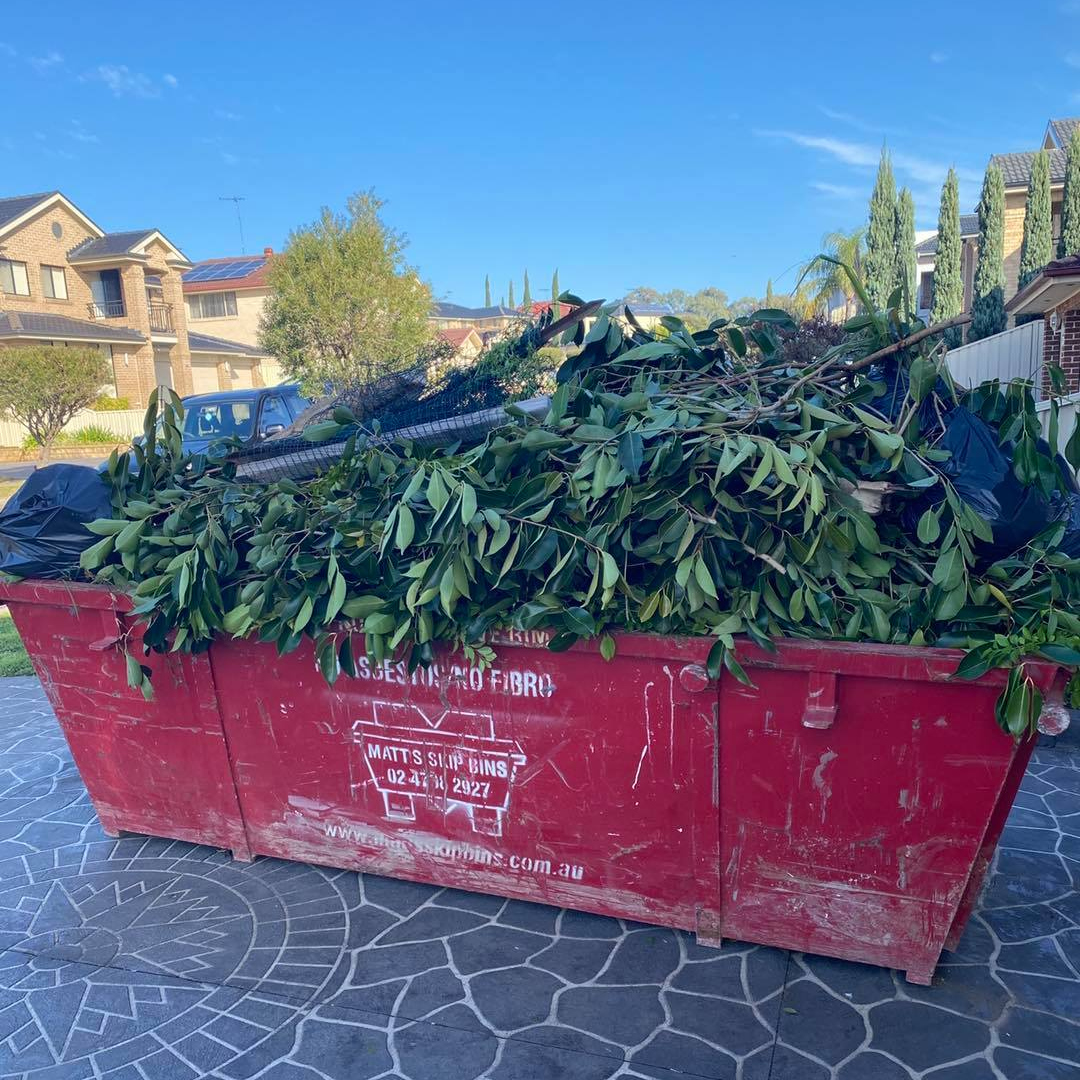
If you’ve found yourself searching for skip bins near me in Sydney, you’re probably dealing with a renovation, clean-up, or commercial project that’s producing more waste than you can manage. While it might seem straightforward, choosing the right skip bin hire and waste disposal service is crucial to ensuring a smooth, cost-effective, and environmentally responsible process. Here’s what you need to consider before booking a skip bin service in Sydney — and how to make the best decision for your needs.
1. Understand Your Waste Type
Not all waste is treated equally. Before hiring a skip bin, identify the type of waste you’re dealing with:
- General Waste: Includes household items, furniture, and non-hazardous materials.
- Green Waste: Leaves, branches, grass clippings, and garden waste.
- Construction & Demolition Waste: Concrete, bricks, tiles, and rubble.
- Heavy Waste: A mix of general and construction waste but heavier in volume.
- Mixed Waste: A combination of different types, often more expensive to dispose of.
Choosing the correct bin for your waste type helps avoid fines, extra charges, or rejection of your bin pickup. Most reputable services will provide guidelines on acceptable materials.
2. Know the Sizes Available
Skip bins come in a variety of sizes, typically ranging from 2 cubic metres (mini skip) to 30 cubic metres (hook bins). Here’s a quick guide:
| Bin Size | Suitable For |
| 2–4 m³ | Small home clean-ups |
| 6–8 m³ | Kitchen/bathroom renovations |
| 10–15 m³ | Office or commercial clear-outs |
| 20–30 m³ | Construction sites and large-scale projects |
Opting for the right size ensures you don’t overpay for unused space or underestimate your waste volume. When in doubt, it’s usually safer to go one size up.
3. Choose a Licensed and Insured Provider
In Sydney, waste disposal is strictly regulated. Hiring a licensed and insured skip bin company ensures your waste is being handled legally and ethically. Look for:
- EPA accreditation
- Public liability insurance
- Recycling commitments
- Transparent pricing policies
You can verify licences and certifications on local council websites or by directly asking the provider for documentation.
4. Location, Accessibility & Placement
Consider where the bin will be placed. If you’re in a tight suburban street or apartment complex, space may be limited. Ensure:
- There’s flat ground for safe placement.
- It doesn’t block driveways, fire exits, or pedestrian walkways.
- You have the correct council permits for bins placed on public land.
A reputable service will often help with council applications and provide advice on optimal placement.
5. Compare Prices – But Don’t Go Cheap
Everyone loves a good deal, but the cheapest skip bin isn’t always the best option. Be cautious of:
- Hidden fees for excess weight or extended hire.
- Low prices masking poor service or illegal dumping.
- No-show risks from non-reputable companies.
Instead, choose a provider with transparent pricing, positive customer reviews, and a clear breakdown of what’s included.
6. Check the Pick-Up and Delivery Timeline
Timely pick-up and delivery can make or break your project schedule. Whether it’s a one-day clean-up or a week-long renovation, look for:
- Same-day or next-day delivery options
- Flexible pick-up schedules
- Customer service support for rescheduling
The best services will be punctual and proactive in communication, helping you avoid unnecessary delays.
7. Ask About Recycling and Sustainability
Sustainability is no longer optional — it’s expected. A quality skip bin hire company in Sydney will sort waste and divert as much as possible from landfill. Ask:
- What percentage of waste is recycled?
- Do they offer separate bins for recyclables?
- How do they handle hazardous materials?
Choosing an eco-friendly provider not only helps the planet but often saves you money in landfill levies.
