

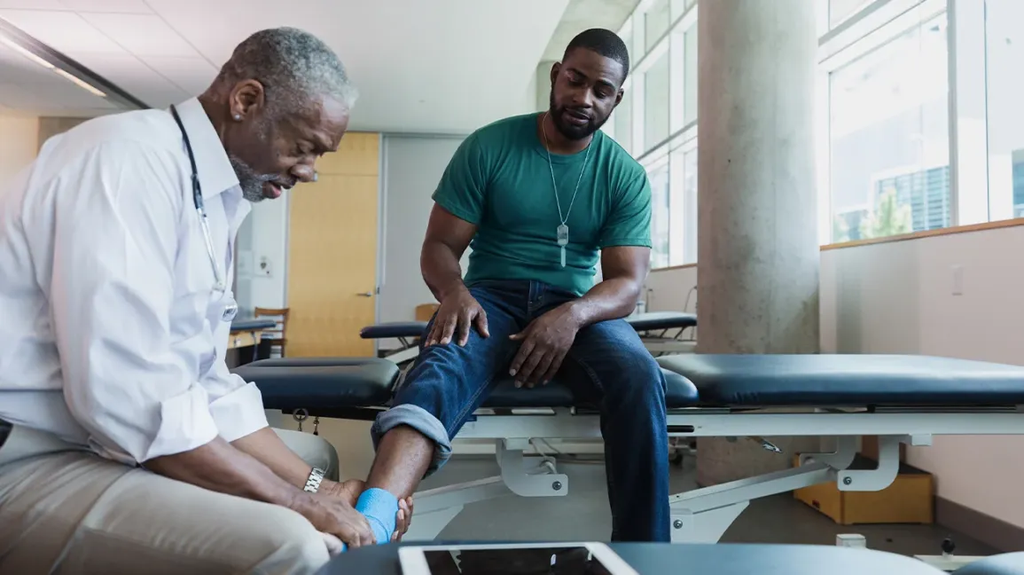
Orthopedics is a specialized branch of medicine that focuses on the diagnosis, treatment, prevention, and rehabilitation of conditions affecting the musculoskeletal system. This system includes the bones, joints, muscles, ligaments, tendons, cartilage, and other structures that provide support and allow the body to move.
People of all ages can experience orthopedic problems. Some conditions develop because of injuries or accidents, while others may be associated with aging, physical activity, repetitive movements, congenital conditions, or diseases affecting the bones and joints. Orthopedic care can range from simple lifestyle changes and physical therapy to advanced surgical procedures.
For individuals looking for specialized medical care, Liv Hospital provides orthopedic services focused on the diagnosis and treatment of a wide range of musculoskeletal conditions. Understanding the basics of orthopedics can help patients recognize common problems and understand when professional medical evaluation may be necessary.
What Is Orthopedics?
Orthopedic, also known as orthopaedics, is the medical specialty concerned with the health of the musculoskeletal system. Orthopedic specialists diagnose and manage conditions affecting bones, joints, muscles, tendons, ligaments, and related tissues.
The main goals of orthopedic care are to relieve pain, restore movement, improve physical function, and help patients return to their normal daily activities.
Orthopedic treatment does not always involve surgery. Depending on the condition, doctors may recommend medication, physical therapy, exercise, rest, braces, injections, or other conservative treatments before considering an operation.
What Does the Musculoskeletal System Include?
The musculoskeletal system is a complex network of structures that work together to support the body and produce movement.
Bones
Bones provide the body’s framework and protect important internal organs. They also work with muscles and joints to allow movement.
Joints
Joints connect two or more bones and allow different types of movement. Examples include the knee, hip, shoulder, elbow, ankle, and wrist.
Muscles
Muscles produce movement by contracting and relaxing. They also help maintain posture and support joints.
Ligaments
Ligaments are strong bands of connective tissue that connect bones to each other and help stabilize joints.
Tendons
Tendons connect muscles to bones and transfer the force generated by muscles to produce movement.
Cartilage
Cartilage is a smooth, flexible tissue that covers the ends of many bones within joints. It helps reduce friction and allows smooth movement.
When any of these structures are damaged or affected by disease, orthopedic problems can occur.
Common Orthopedic Conditions
Orthopedic specialists treat many different conditions. Some of the most common include injuries, degenerative diseases, and problems affecting joints and soft tissues.
Arthritis
Arthritis refers to a group of conditions that affect the joints. Osteoarthritis is one of the most common forms and can develop as the cartilage within a joint gradually deteriorates.
People with arthritis may experience pain, stiffness, swelling, and reduced movement. The knees, hips, hands, and spine are commonly affected.
Fractures
A fracture occurs when a bone breaks or cracks. Fractures can result from falls, accidents, sports injuries, or other trauma.
Treatment depends on the type and location of the fracture. Some fractures can heal with immobilization, while others may require surgical fixation.
Sports Injuries
Sports and physical activities can sometimes cause injuries to muscles, tendons, ligaments, and joints. Common sports injuries include sprains, strains, ligament injuries, tendon problems, and certain knee or shoulder injuries.
Proper diagnosis and rehabilitation are important for a safe return to physical activity.
Back and Neck Problems
Back and neck pain can have many causes, including muscle strain, disc problems, arthritis, spinal injuries, and other conditions.
Some problems can improve with conservative treatment and rehabilitation, while more complex conditions may require specialized orthopedic or spine care.
Joint Injuries
Joint injuries can affect the shoulder, knee, hip, ankle, elbow, wrist, or other areas. Depending on the injury, treatment may include rest, physical therapy, medication, injections, or surgery.
Tendon and Ligament Problems
Tendon and ligament injuries may occur because of sudden trauma or repeated stress. These injuries can cause pain, weakness, swelling, and reduced movement.
An orthopedic evaluation can help determine the severity of the injury and the most appropriate treatment.
What Does an Orthopedic Specialist Do?
An orthopedic specialist evaluates and treats conditions affecting the musculoskeletal system. The specialist usually begins by reviewing the patient’s symptoms, medical history, and physical condition.
During an examination, the doctor may evaluate:
- Joint movement
- Muscle strength
- Swelling
- Pain and tenderness
- Joint stability
- Walking or movement patterns
- Previous injuries
- Previous surgeries or treatments
Based on the examination, the doctor may recommend additional tests to establish an accurate diagnosis.
How Are Orthopedic Conditions Diagnosed?
Accurate diagnosis is an important part of orthopedic treatment. Doctors may use several methods depending on the patient’s symptoms and suspected condition.
Physical Examination
A physical examination helps doctors understand where the pain originates and how it affects movement. The doctor may check flexibility, strength, swelling, stability, and range of motion.
X-Rays
X-rays are commonly used to examine bones. They can help identify fractures, changes associated with arthritis, bone alignment problems, and other abnormalities.
MRI Scans
Magnetic resonance imaging provides detailed images of soft tissues and bones. MRI can be useful for evaluating muscles, tendons, ligaments, cartilage, spinal structures, and certain joint conditions.
CT Scans
Computed tomography creates detailed cross-sectional images of the body. CT scans may be particularly useful for evaluating complex fractures and certain bone abnormalities.
Ultrasound
Musculoskeletal ultrasound can be used to examine certain soft tissues, including tendons and muscles. It can also help guide selected medical procedures.
Orthopedic Treatment Options
The appropriate treatment depends on the patient’s diagnosis, symptoms, age, activity level, general health, and treatment goals.
Conservative Treatment
Many orthopedic conditions can be treated without surgery. Conservative treatment may include:
- Physical therapy
- Therapeutic exercises
- Activity modification
- Pain-relieving medication
- Braces or supports
- Ice or heat
- Injections when appropriate
- Weight management
The goal is often to reduce symptoms and improve movement while allowing the body to recover.
Minimally Invasive Procedures
Some orthopedic conditions can be treated through minimally invasive techniques. These procedures may involve smaller incisions and specialized instruments compared with traditional open surgery.
Arthroscopy is one example. It allows a surgeon to examine and treat certain joint problems using a small camera and specialized instruments.
Orthopedic Surgery
Surgery may be recommended when conservative treatment is unsuccessful or when the condition requires surgical correction.
Orthopedic operations can include:
- Fracture repair
- Ligament reconstruction
- Tendon repair
- Arthroscopy
- Joint replacement
- Spine surgery
- Corrective bone procedures
The decision to undergo surgery should be based on a detailed medical evaluation and discussion between the patient and orthopedic specialist.
Joint Replacement in Orthopedic Care
Joint replacement is an important area of orthopedic medicine. It may be considered when a joint has become severely damaged and causes persistent pain or significant limitations in movement.
Hip and knee replacement are among the most common joint replacement procedures. During the operation, damaged portions of the joint are removed and replaced with artificial components.
The suitability of joint replacement depends on several factors, including the severity of joint damage, symptoms, overall health, and response to other treatments.
The Importance of Orthopedic Rehabilitation
Rehabilitation is an important part of orthopedic care. Physical therapy and structured exercises can help patients regain strength, flexibility, balance, and range of motion after an injury or procedure.
A rehabilitation program is usually adapted to the patient’s specific condition. Progress may be gradual, and exercises can change as the patient’s strength and mobility improve.
Following a rehabilitation plan can support recovery and help patients safely return to work, sports, and daily activities.
Orthopedic Care at Liv Hospital
Modern orthopedic care often involves a multidisciplinary approach, especially when patients have complex injuries or chronic musculoskeletal conditions.
At Liv Hospital, orthopedic services cover the diagnosis and treatment of various conditions affecting the musculoskeletal system. The hospital provides specialized care for areas including joint conditions, sports injuries, orthopedic trauma, and other musculoskeletal problems.
Patients can explore the Orthopedic services at Liv Hospital to learn more about orthopedic evaluation, treatment approaches, and specialized care.
Treatment is generally selected according to the patient’s individual condition, medical history, symptoms, and expected recovery goals. A thorough assessment can help determine whether conservative management, rehabilitation, minimally invasive treatment, or surgery is appropriate.
When Should You See an Orthopedic Specialist?
Occasional muscle soreness does not necessarily require orthopedic care. However, persistent or severe symptoms may need professional evaluation.
You should consider consulting a healthcare professional if you experience:
- Persistent bone or joint pain
- Difficulty moving a joint
- Repeated swelling
- Reduced range of motion
- Pain after an accident or injury
- Suspected fracture
- Repeated sports injuries
- Persistent back or neck pain
- Joint instability
- Symptoms that do not improve with basic treatment
Serious injuries, visible deformities, severe pain, or an inability to use a limb may require urgent medical attention.
How Can Orthopedic Problems Be Prevented?
Not every orthopedic condition can be prevented, but several healthy habits can help protect the musculoskeletal system.
Regular physical activity can help maintain muscle strength and joint mobility. Warming up before exercise, using proper techniques, and wearing appropriate protective equipment can also reduce the risk of certain injuries.
Other useful habits include:
- Maintaining a healthy body weight
- Practicing good posture
- Using proper lifting techniques
- Taking breaks during repetitive activities
- Strengthening supporting muscles
- Following safety measures during sports
- Completing rehabilitation after injuries
Frequently Asked Questions About Orthopedics
What is the definition of orthopedics?
Orthopedics is a medical specialty focused on preventing, diagnosing, treating, and rehabilitating conditions affecting the bones, joints, muscles, ligaments, tendons, cartilage, and other parts of the musculoskeletal system.
What does an orthopedic doctor treat?
Orthopedic doctors treat a wide range of conditions, including fractures, arthritis, sports injuries, joint problems, tendon and ligament injuries, and certain spine and musculoskeletal conditions.
Does orthopedic treatment always require surgery?
No. Many orthopedic problems can be managed with nonsurgical treatments such as physical therapy, medication, exercise, activity modification, braces, or injections. Surgery is considered when it is medically appropriate.
What is the difference between orthopedics and physiotherapy?
Orthopedics is a medical specialty focused on diagnosing and treating musculoskeletal conditions. Physiotherapy focuses primarily on restoring movement, strength, flexibility, and physical function through rehabilitation.
When should I visit an orthopedic specialist?
An orthopedic consultation may be appropriate if you have persistent joint or bone pain, limited movement, repeated injuries, swelling, or symptoms that continue after an injury or do not improve with basic care.
Conclusion
Orthopedics is a specialized field of medicine dedicated to maintaining and restoring the health and function of the musculoskeletal system. It covers a broad range of conditions, including fractures, arthritis, sports injuries, joint disorders, tendon and ligament problems, and certain spine conditions.
Orthopedic treatment can involve conservative care, physical therapy, rehabilitation, medication, minimally invasive procedures, or surgery. The most appropriate approach depends on the patient’s individual diagnosis and overall health.
Early evaluation can help identify the underlying cause of persistent pain or mobility problems and allow an appropriate treatment plan to be developed. For more information about orthopedic care and available treatment approaches, visit Liv Hospital and explore its Orthopedics department.
