

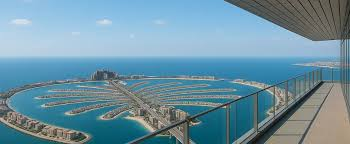
A search for Palm Jumeirah activities usually starts with the island’s postcard image, but the real appeal lies in how many different experiences are packed into the same geography. Palm Jumeirah works because it is more than a landmark. It is a connected leisure district where transport, water activity, views, dining, and beach access all reinforce one another. That density makes it one of the easiest places in Dubai to build a full day around one destination.
Why Palm Jumeirah functions as an activity cluster
Palm Monorail’s adventure guide presents the island as more than a resort backdrop. It emphasizes water sports, varied activity levels, and the way Palm Jumeirah combines relaxation with higher-energy experiences. The Palm Monorail homepage supports that by describing the route as an experiential journey across the island and linking it directly to a set of attractions that include beaches, hotels, water activities, and viewing points.
Visit Dubai’s Palm Jumeirah guide adds the broader tourism lens, describing the island as a destination for sun-seekers, hotels, beach clubs, dining, and attractions. Put together, those sources show why the island remains so resilient as a visitor district. It supports multiple travel styles in one compact zone. Some people want a view and a meal. Others want a full activity schedule that includes the monorail, beach time, and a major attraction.
What kinds of activities work best there
The island is strongest when people treat it as a layered itinerary rather than a single stop. A transport-linked setting makes that easier. The Palm Monorail explicitly presents the route as a scenic way to navigate across the Palm, not only as a utility service. That matters because moving around the island becomes part of the experience rather than a break between experiences.
This is where Palm Monorail becomes more than a transport link. It helps turn separate venues into a coherent day out. Attractions, beaches, and view-based stops feel more connected when the route itself is legible and memorable.
The island works especially well for four kinds of outings:
- Mixed-group days where some people want activity and others want comfort.
- Short-stay visits that need several experiences in one area.
- Scenic itineraries built around water views, dining, and landmark stops.
- Family outings where transport clarity reduces planning stress.
Why transport matters to the experience
Many landmark districts struggle when movement inside them is awkward. Palm Jumeirah benefits from having a transport identity of its own. The monorail helps visitors connect the island’s major stops while preserving the sightseeing element of the journey. That makes it easier to enjoy the district as a sequence rather than as one isolated hotel booking.
The island’s design also gives it a strong visual payoff. Even simple movement across the Palm carries part of the appeal because the route passes directly through a highly recognisable urban landscape.
That is one reason the area works so well for visitors with limited time. A district that combines transport clarity with strong attractions reduces the need for heavy planning. People can move through the day more naturally, adding stops as they go rather than treating every activity as a separate logistical project.
Palm Jumeirah also succeeds because it accommodates different expectations without fragmenting the experience. One person may care most about the scenery, another about a signature attraction, and another about a slow meal by the water. The district can support all three without forcing the group to split up or relocate across the city.
That balance between structure and flexibility is harder to achieve than it looks. Many leisure districts have strong headline attractions but weak internal flow. Palm Jumeirah benefits from the opposite combination: clear movement, recognisable landmarks, and enough variety to keep repeat visits interesting.
Conclusion
Palm Jumeirah stands out because it lets visitors combine scenery, attractions, and easy movement within a single destination. The best activity plan on the island is usually not one headline attraction. It is a sequence of stops tied together by clear transport and a strong sense of place.
