

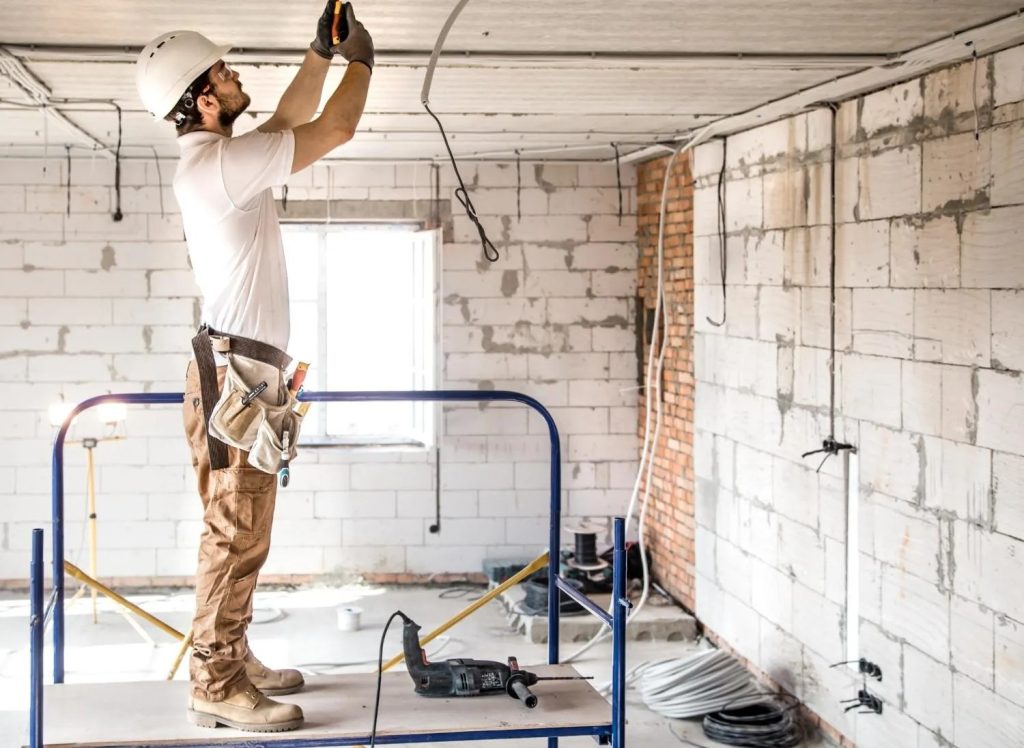
Home renovations are often exciting. They offer the promise of a fresh start regardless of whether you’re updating an outdated kitchen, extending your living space, or finally creating your dream home.
However, even the most carefully planned projects can quickly become stressful when unexpected problems arise. From budget blowouts and missed deadlines to poor workmanship and contract disputes, renovation projects can easily turn into nightmares.
Knowing when to call in the right experts can save you significant time, money, and frustration.
Common renovation problems
While no renovation is entirely risk-free, certain issues occur more frequently than homeowners expect. Some of the most common include contractors abandoning the project before completion, defective or substandard workmanship, and delays that last for weeks or even months.
But that’s not all. Many times, homeowners experience unexpected cost increases, building work that doesn’t comply with local regulations, and disputes over contracts or payment schedules.
Many of these issues can become expensive if they’re not addressed promptly.
Start with open communication
Before assuming the worst, it’s worth discussing your concerns directly with your builder or contractor. Misunderstandings about timelines, materials, or expectations can often be resolved through honest communication.
Keep records of all conversations, emails, invoices, contracts, and photographs documenting the work. Good documentation becomes invaluable if the dispute escalates.
Bring in building experts
If you’re concerned about the quality of the work, an independent building inspector can provide an objective assessment. These professionals can identify structural issues, building code violations, incomplete work, or defects that may not be obvious to the average homeowner.
An expert report can also strengthen your position during negotiations or legal proceedings.
Understand your contract
Many renovation disputes arise because homeowners don’t fully understand the terms of their building contract. Before signing any agreement, carefully review important clauses covering payment schedules, completion dates, variations, warranties, and dispute resolution procedures.
If changes are made during construction, always request written variation agreements rather than relying on verbal promises. Clear documentation protects both parties and reduces misunderstandings later in the project.
If you are uncertain about any contractual obligations, seeking legal advice before signing, or as soon as problems emerge, can save considerable stress in the future.
When legal help becomes necessary
Unfortunately, some disputes can not be resolved through discussion alone. If your contractor refuses to fix defects, ignores contractual obligations, demands unjustified payments, or abandons the project, it may be time to seek legal advice.
Experienced construction lawyers can review your contract, explain your legal rights, and help determine the most effective course of action. They can also assist with negotiation, mediation, adjudication, or court proceedings if necessary.
Seeking legal advice early often prevents relatively minor disputes from becoming lengthy and costly legal battles.
Signs you should contact a construction lawyer
You should also consider speaking with construction lawyers if you experience things like major construction defects, significant project delays without valid reasons, contract breaches.
Then also payment disputes, unlicensed or uninsured contractors, safety concerns or non-compliant building work, and threats of legal action from the builder.
The earlier you obtain professional advice, the more options you typically have for resolving the issue.
Consider alternative dispute resolution
Not every renovation dispute needs to end up in court. Many renovation disputes can be resolved through alternative dispute resolution (ADR), which includes mediation and arbitration.
Mediation involves an independent third party who helps both sides negotiate a mutually acceptable outcome. Arbitration is a more formal process where an independent arbitrator reviews the evidence and makes a binding decision.
ADR is often quicker, less stressful, and more affordable than litigation. Many building contracts also require parties to attempt mediation before commencing legal proceedings.
Construction professionals can advise you on whether mediation, arbitration, or formal litigation is the most appropriate strategy based on the circumstances of your case.
Don’t forget about insurance
Depending on your circumstances, your home insurance or builder’s warranty insurance may provide some level of protection. Review your policy carefully and notify your insurer as soon as you become aware of a potential claim.
Insurance deadlines can be strict, so acting quickly is essential.
Protect yourself before renovating
While no project is guaranteed to proceed without complications, you can significantly reduce your risks. To do so, you can hire licensed and reputable contractors, check references and previous work, and use a detailed written contract.
Additionally, you should understand payment milestones, avoid large upfront payments, and keep thorough records throughout the project. Preparation is often the best defense against future disputes.
Bottom line
Renovations should improve your home and not become a source of financial and emotional stress. While many projects finish successfully, it’s important to recognize when professional assistance is needed.
Building inspectors, project managers, and experienced construction lawyers homeowners can rely on each play an important role in protecting your investment.
If problems arise, acting early, documenting everything, and seeking expert advice can make the difference between a manageable setback and a full-scale renovation nightmare.
