

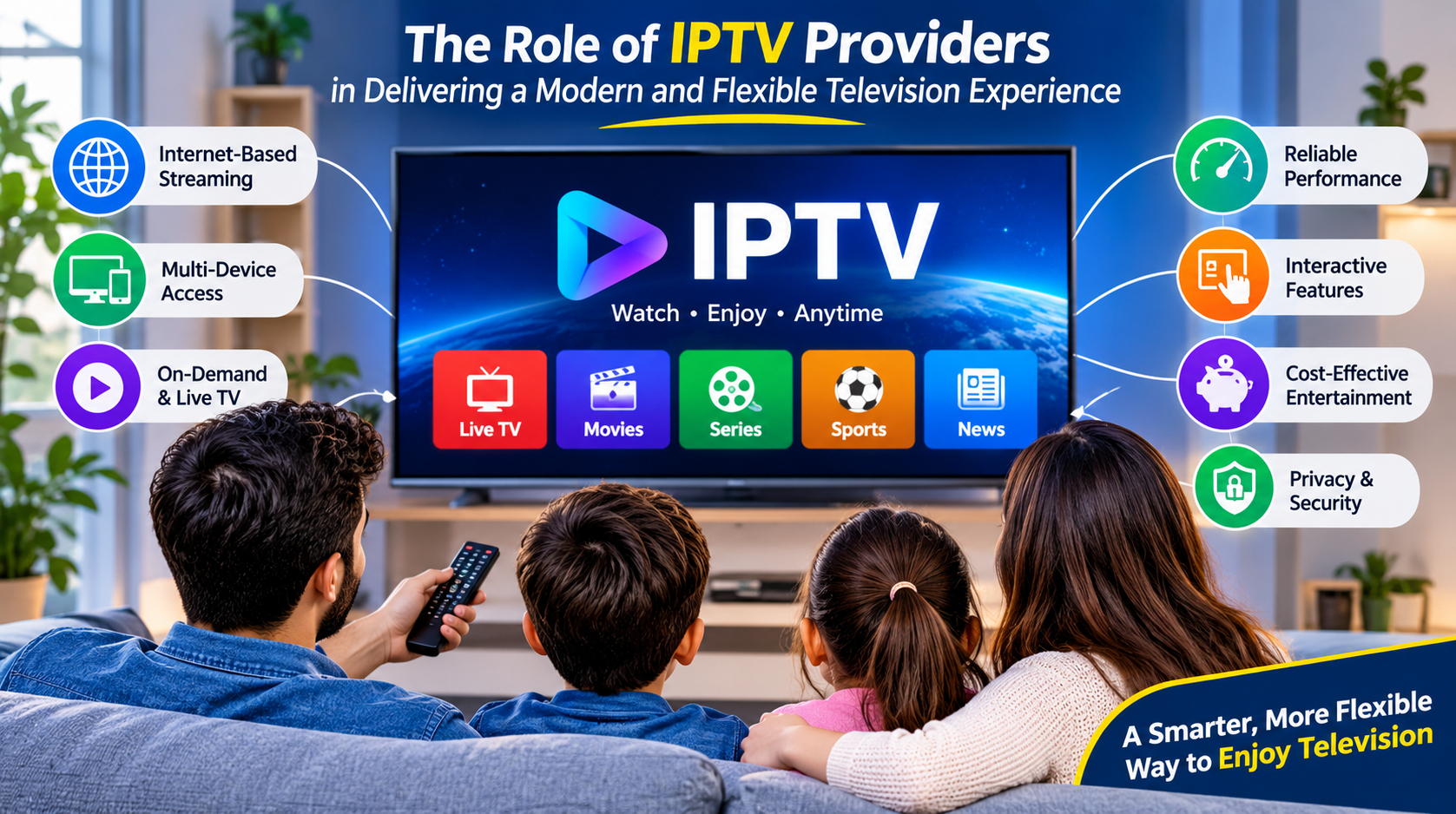
The television industry has experienced remarkable changes as internet connectivity becomes increasingly integrated into everyday life. Audiences are moving beyond conventional broadcasting arrangements and exploring digital entertainment services that provide greater convenience and flexibility. This transformation has created new opportunities for television providers to deliver programming through internet-based technologies.
Internet Protocol Television, commonly known as IPTV, represents an important part of this development. Behind every professionally managed IPTV platform is a combination of technical infrastructure, content distribution arrangements, software applications, and customer management systems. These elements work together to shape the quality of the viewing experience.
Understanding how IPTV providers contribute to modern entertainment can help consumers appreciate the technology and make more informed decisions when selecting television services.
How IPTV Providers Deliver Digital Television
IPTV providers use internet protocols to transmit television programming to compatible devices. Unlike conventional broadcasting systems that distribute television signals through dedicated cable or satellite infrastructure, IPTV delivers digital video through managed or internet-connected networks.
The process involves receiving authorized programming, preparing video streams, and distributing content through appropriate network infrastructure. Compatible applications or receivers then process the incoming data and display the selected programming.
When exploring a Fournisseur iptv, consumers should consider how the service manages content delivery, device compatibility, subscription arrangements, and licensing requirements. These factors contribute to the overall reliability and accessibility of digital television.
Efficient content distribution requires careful coordination between software systems, network resources, and connected devices. A weakness in any of these areas can negatively influence the viewing experience.
Supporting Flexible Entertainment Consumption
Modern audiences increasingly expect entertainment services to accommodate their schedules. Professional commitments, educational responsibilities, and household activities can make it difficult to follow traditional television programming times.
IPTV providers can address these changing expectations by supporting different viewing formats. Depending on available features and distribution rights, platforms may provide live television, on-demand programming, or access to previously broadcast content.
This flexibility allows viewers to develop entertainment routines that reflect their personal circumstances. Individuals who miss scheduled programs may be able to access available alternatives without rearranging their daily responsibilities.
Flexible viewing arrangements can also benefit households where family members have different interests. Instead of relying entirely on a shared broadcasting schedule, compatible digital services may allow individuals to explore programming that suits their preferences.
The Importance of Efficient Content Delivery Networks
Delivering television programming through digital networks requires dependable technical infrastructure. IPTV providers must manage the transmission of video data while maintaining appropriate service performance across supported locations and devices.
Content delivery networks can help distribute digital programming efficiently by reducing the distance between certain content resources and viewers. Depending on the network architecture, these systems may improve loading times and reduce pressure on centralized infrastructure.
Effective traffic management is particularly important during periods of increased viewing activity. Popular television events and evening entertainment hours can create additional demand on streaming resources.
However, providers cannot control every aspect of the viewing environment. Household internet quality, local network congestion, and device capabilities also influence streaming performance. A satisfactory television experience depends on the combined reliability of provider infrastructure and consumer connectivity.
Making Television Accessible Across Multiple Devices
One significant advantage of digital television technology is its potential to support different types of connected equipment. Modern consumers frequently use smart televisions, smartphones, tablets, laptops, and dedicated streaming devices throughout their daily routines.
IPTV providers may develop applications or support compatible software that allows subscribers to access programming through these devices. This approach can make entertainment more convenient for viewers who prefer different screens or locations within their homes.
Device accessibility also creates opportunities for households to use existing equipment instead of purchasing specialized hardware. Nevertheless, compatibility depends on the operating system, technical specifications, and subscription conditions.
Providers should communicate supported device requirements clearly. Consumers should also confirm whether their subscriptions permit simultaneous streaming before expecting multiple household members to access programming independently.
Enhancing Entertainment Through Interactive Features
Digital television platforms can offer interactive functionality that extends beyond conventional channel selection. These features may improve content discovery, navigation, and overall convenience.
An organized interface allows viewers to locate preferred programming more efficiently. Electronic program guides can provide information about scheduled broadcasts, while search functions may help subscribers discover specific movies, television series, or documentaries.
Depending on the platform, useful interactive features may include:
- Searchable television and entertainment libraries.
- Electronic program guides with scheduling information.
- Personalized content categories and recommendations.
- Subtitle options and supported language settings.
- Playback controls for eligible programming.
- Parental controls and accessibility settings.
The availability of these features varies between providers. Consumers should evaluate whether specific functions genuinely improve their viewing experience rather than assuming that every digital television platform offers identical capabilities.
Helping Households Manage Entertainment Expenses
Entertainment subscriptions have become a regular financial consideration for many households. As the number of available digital platforms increases, consumers must evaluate which services provide meaningful value.
IPTV providers may offer subscription arrangements with different durations, programming options, and supported features. These arrangements can provide alternatives for households comparing conventional television packages with internet-based entertainment.
Transparent pricing is essential for responsible subscription management. Consumers should understand the complete cost of a package, including renewal conditions, additional equipment requirements, and possible service restrictions.
Providers that communicate their subscription policies clearly help customers make informed purchasing decisions. Flexible cancellation arrangements and understandable billing procedures may also contribute to greater consumer confidence.
Ultimately, the financial value of a television subscription depends on how effectively its available features meet household entertainment requirements.
Maintaining Consistent Streaming Performance
Streaming quality remains a fundamental consideration in digital television. Viewers generally expect programming to load efficiently, maintain acceptable picture quality, and operate without frequent interruptions.
IPTV providers can contribute to consistent performance through appropriate video encoding, infrastructure maintenance, and efficient network management. Adaptive streaming technology may also help compatible platforms adjust picture resolution according to changing connection conditions.
Consumers have responsibilities in maintaining streaming performance as well. Stable broadband connectivity, updated applications, and compatible devices can improve playback reliability.
Households experiencing frequent interruptions should examine both their internet connection and the service’s technical requirements. Identifying the actual source of a problem can prevent unnecessary equipment purchases or subscription changes.
A dependable viewing experience requires cooperation between reliable service infrastructure and properly maintained household technology.
Promoting Accessibility and Inclusive Entertainment
Television plays an important role in providing entertainment, information, and educational opportunities to diverse audiences. Digital television providers can improve accessibility by supporting features that accommodate different viewing requirements.
Subtitles, audio descriptions, multilingual interfaces, and readable navigation menus may make programming more accessible to individuals with different abilities and language preferences.
Simple installation procedures can also benefit consumers who have limited experience with digital technology. Older adults, for example, may prefer straightforward navigation and clearly labeled controls rather than complicated application interfaces.
Inclusive entertainment design involves understanding the practical needs of different audiences. Providers that prioritize usability alongside technical innovation can help reduce barriers to digital television access.
Consumers should review available accessibility features before purchasing subscriptions, particularly when selecting entertainment services for households with specific requirements.
Protecting Consumer Privacy and Content Rights
The delivery of internet-based television involves important responsibilities concerning consumer privacy, account security, and copyright protection. IPTV technology itself is legitimate, but providers must obtain appropriate authorization to distribute protected programming.
Responsible providers should communicate their business practices, subscription conditions, and privacy policies transparently. Consumers should examine available licensing information and avoid relying solely on promotional claims about extensive programming libraries.
Digital security is equally important. Entertainment platforms may process account details, payment information, and viewing preferences. Appropriate data protection practices can help reduce unnecessary privacy risks.
Subscribers should use strong passwords, secure payment methods, and applications obtained from trusted sources. Supporting properly authorized services also contributes to the sustainability of legitimate entertainment production and distribution.
Shaping the Next Generation of Television Services
IPTV providers are contributing to a broader transformation in how audiences interact with television. Advances in network technology, software development, and connected devices continue to create opportunities for more adaptable entertainment experiences.
Future developments may introduce improved content discovery, stronger accessibility features, more efficient streaming systems, and greater integration across compatible household devices. However, technological innovation must be accompanied by transparent business practices, appropriate content authorization, and dependable customer assistance.
Consumers can benefit from understanding these developments and evaluating services according to their actual entertainment needs. Reliable performance, clear subscription conditions, and secure digital environments should remain central considerations when choosing television platforms.
As entertainment habits continue to evolve, IPTV providers have an opportunity to support viewing experiences that are increasingly flexible, accessible, and responsive to modern lifestyles. The long-term success of these services will depend on their ability to combine technological efficiency with responsible content distribution and meaningful consumer value.
