

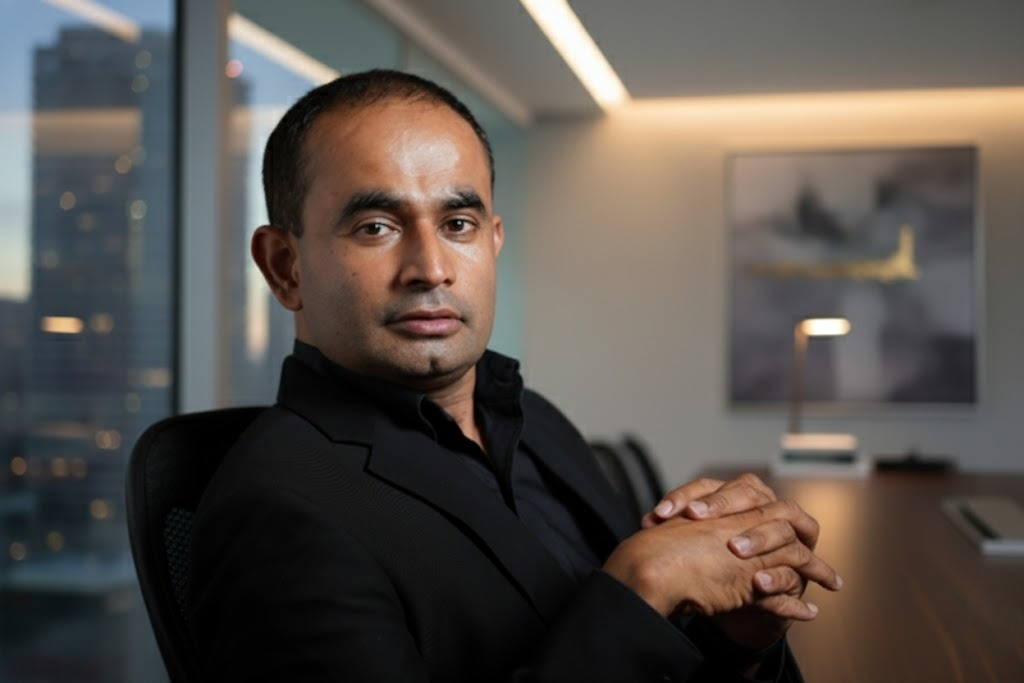
CEO of Zil Money explains how SMBs are adapting their financial strategies to address growing market volatility and the role flexible payment systems play in reducing risk.
TYLER, TX, USA – December 30, 2025 – As market volatility continues to increase, Sabeer Nelli, CEO of Zil Money, highlighted that small and mid-sized businesses (SMBs) must rethink their financial risk strategies in 2026 to stay competitive and resilient. Sabeer explained that traditional risk strategies, often rooted in long-established practices, no longer align with the rapidly changing economic landscape, and businesses need to embrace new solutions that offer more flexibility and real-time adaptability.
According to Sabeer, the global business environment has become increasingly unpredictable, with fluctuating economic conditions, changing regulations, and unexpected disruptions becoming common. For SMBs, this uncertainty can create significant financial pressure, especially when it comes to cash flow management, payments, and operational continuity.
“SMBs are facing a new set of challenges that can’t be solved with old strategies,” said Sabeer Nelli. “Traditional approaches to financial risk management, where businesses simply rely on forecasts, delayed payments, and fixed payment cycles, are no longer enough. Flexibility in how businesses handle payments, manage expenses, and adjust to cash flow issues is essential in today’s environment.”
Sabeer pointed to flexible payment systems as a key part of the new financial risk strategy for SMBs. These systems, which allow businesses to process payments instantly, manage vendor payments more efficiently, and offer real-time financial insights, are providing SMBs with the tools they need to mitigate risk and remain adaptable.
One of the critical components of a modern risk strategy is the ability to immediately access funds, especially during periods of economic uncertainty. Sabeer highlighted how Zil Money’s platform, which includes real-time payment systems, allows SMBs to move quickly when making payments, ensuring that vendors and employees are paid on time, even when cash flow is tight.
Sabeer also pointed out that flexible payment systems are not only beneficial for managing immediate risk but also provide SMBs with strategic advantages in managing long-term growth. By automating processes like invoicing and expense tracking, businesses can gain better control over their cash flow, reduce administrative costs, and improve financial transparency.
Looking toward 2026, Sabeer believes that SMBs will need to continue evolving their financial risk strategies to address the ongoing volatility. Businesses that embrace flexible payment systems, incorporate real-time financial insights, and use automation tools to streamline operations will be better positioned to navigate challenges and grow in a turbulent market.
