

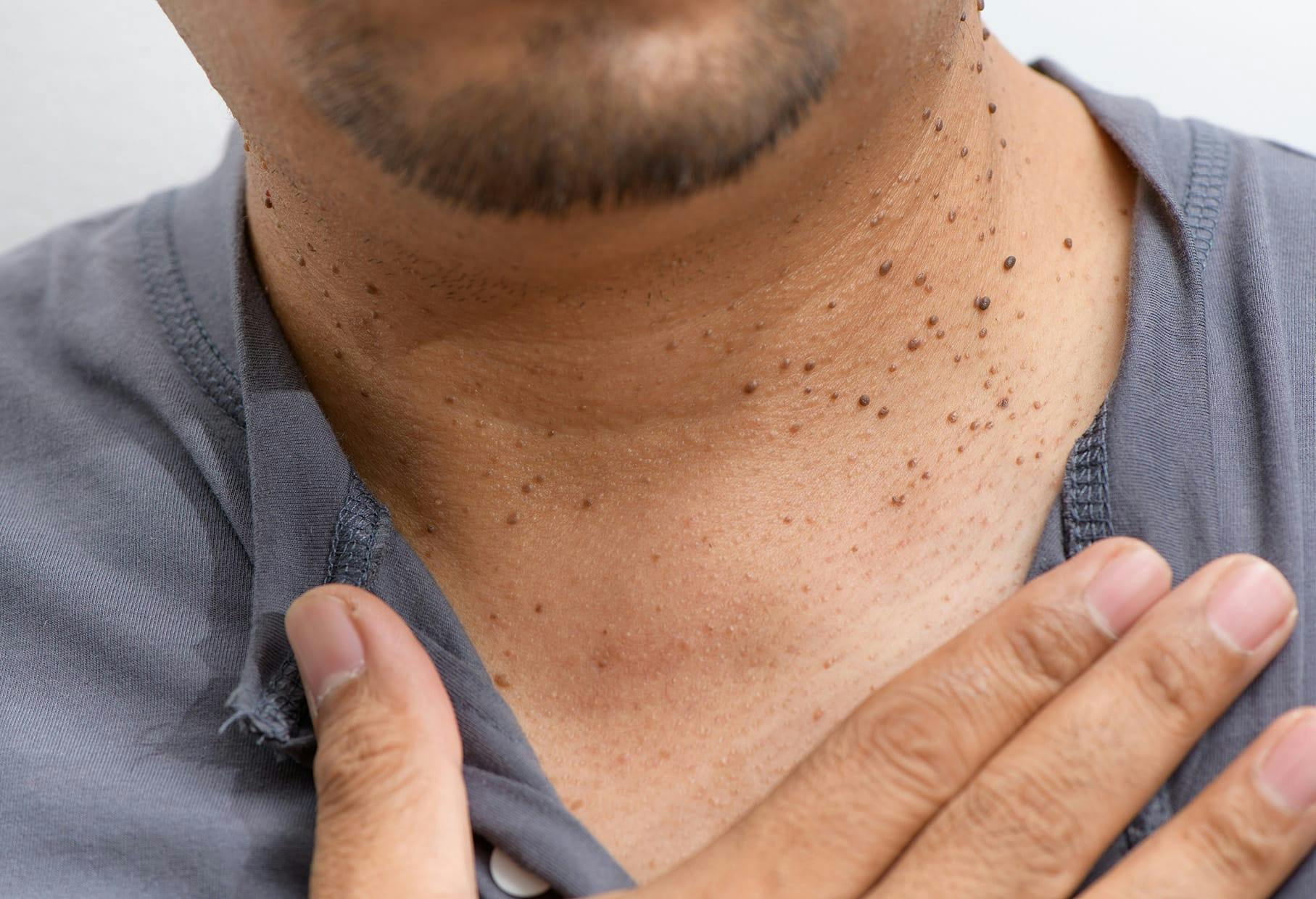
Skin tags are small, soft, benign growths that commonly appear on areas of the body where skin naturally folds or experiences friction. They are typically flesh-colored or slightly darker and can vary in size from a tiny pinhead to a few millimeters across. Although they are medically harmless, many people choose to have them removed because they can become irritating, catch on clothing or jewelry, or affect the overall appearance of the skin. These growths most frequently appear on the neck, underarms, eyelids, chest, groin, and beneath the breasts.
Skin tags often develop in areas where the skin rubs against itself or clothing, which is why they are more common in regions with repeated friction. Genetics can also play a role, meaning some individuals are naturally more prone to developing them than others. Hormonal changes, weight fluctuations, and aging are also thought to contribute to the development of skin tags. For example, they can appear more frequently during pregnancy or in people who experience changes in insulin resistance.
While skin tags are not dangerous, they can sometimes become inflamed or tender if they twist or become caught on fabrics, leading many people to seek removal for comfort as well as cosmetic reasons. Some people attempt to remove skin tags at home using over-the-counter solutions or tying them off with thread. However, these methods can be unreliable and may lead to irritation, bleeding, or infection if not done correctly. In many cases, home treatments fail to fully remove the tag, causing it to persist or regrow.
Professional removal performed in a clinical setting is widely considered the safest and most effective approach. According to guidance from the NHS, skin tags are benign and typically harmless, but any unusual skin growth should be properly assessed before removal to ensure it is not another type of lesion. A trained practitioner can quickly identify whether the growth is a skin tag and determine the most appropriate removal method.
Modern Removal Techniques
Modern aesthetic clinics offer several advanced techniques for safe and precise skin tag removal. Cryotherapy is one of the most common methods, using controlled cold temperatures to freeze and destroy the tissue. Another approach involves cauterization, where a small electrical current safely removes the tag while sealing the surrounding skin to minimize bleeding. Some clinics also use specialized surgical-grade devices designed to remove skin tags with precision while protecting the surrounding skin.
These procedures are usually quick and minimally invasive. In many cases, a skin tag can be removed in just a few minutes during a short appointment. Depending on the technique used and the size of the growth, a local anesthetic may be applied to ensure comfort during the procedure. Recovery is generally straightforward, with only minor redness or slight sensitivity in the treated area that resolves within a few days.
Consultation and Treatment
For those seeking professional skin tag removal London services, clinics specializing in medical aesthetics can provide tailored treatments designed to remove skin tags safely and effectively. A consultation allows the practitioner to assess the number, size, and location of the skin tags before recommending the most suitable treatment method.
Professional removal not only ensures that the procedure is performed hygienically and safely, but it also reduces the risk of scarring or incomplete removal. Many patients choose to remove multiple skin tags during the same session, making it a convenient solution for improving skin comfort and appearance.
Although skin tags are a very common and benign skin concern, modern clinical treatments make it easy to address them quickly and effectively. With proper assessment and expert care, individuals can safely remove unwanted skin tags and enjoy smoother, clearer skin with minimal disruption to their daily routine.
