

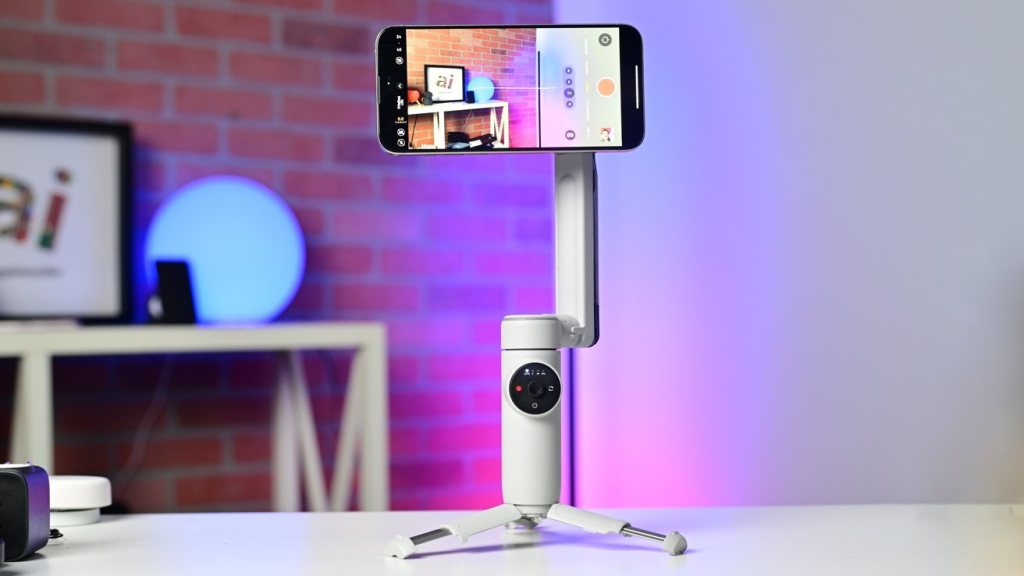
Smartphones tend to produce shaky footage when filming. A Smartphone-Gimbal electronically stabilizes the device, resulting in smooth, professional-looking videos. For outdoor enthusiasts and travelers, such stabilizers are indispensable. They not only save time during post-production but also enable creative shots and significantly improve overall image quality.
Weight and Portability
For outdoor and travel use, mobility is crucial. A lightweight device under 400 grams is ideal for easy transport. Foldable models protect the mechanics during travel and fit into any backpack. At the same time, stabilization must remain reliable, even on uneven terrain. Many German buyers prefer compact gimbals that fit into carry-on bags or daypacks. Long hikes or day trips also require a lightweight device to prevent fatigue in the hand. Ergonomic grips and well-balanced designs further ensure comfortable filming over many hours. Anyone who films frequently on the go should also check whether the gimbal can be transported in a pouch or case without damaging the mechanics.
Axis Stabilization and Image Quality
Stabilization is the core of every gimbal. Three axes—pan, tilt, and roll—compensate for movement reliably. Modern devices even support 4K recording at 60 frames per second (fps), which is essential for capturing slow motion or dynamic outdoor scenes. During trail running, mountain biking, or windy weather, footage without stabilization often looks unprofessional. German users, therefore, pay close attention to the payload capacity: heavier smartphones require stronger motors to maintain stabilization. High-performance gimbals ensure consistent image quality and stable footage, even during fast movements or complex camera motions. Some devices provide additional algorithms that reduce distortion or micro-shaking, which is especially beneficial for wide-angle shots.
Battery Life and Power Supply
A gimbal is only helpful if the battery lasts long enough. Models like the DJI Osmo Mobile 6 offer around 6.4 hours of runtime according to the manufacturer. USB-C charging allows convenient recharging via power banks while on the go. Power-saving modes further extend usage time. Spare batteries or charging plans prevent interruptions during recording. This is especially important for outdoor fans: day hikes, city tours, or bike trips often last longer than 4–5 hours. Some models also display the battery level as a percentage and provide warnings when the battery is low. With efficient battery management, it’s possible to film the entire day without interruptions or the risk of suddenly losing power.
Operation and Smart Features
A good gimbal must be easy to use. Ergonomically positioned joysticks, triggers, and buttons significantly improve handling. Innovative features such as subject tracking, timelapse, panorama, and hyperlapse expand creative possibilities. Many gimbals can be controlled via an app, allowing for precise adjustments to zoom, start/stop, or preset motions. An integrated telescopic pole makes panorama and selfie shots easier—especially useful for solo travelers. Hikers or cyclists can capture impressive perspectives without additional help. Some apps also include automatic scene modes that optimize lighting, focus, and movement, enabling even beginners to achieve high-quality results.
Build Quality, Payload, and Compatibility
The material quality determines a gimbal’s durability. Aluminum or high-grade plastics protect the mechanics from drops or light rain. Maximum payload is crucial to ensure stable operation for smartphones with cases. German buyers often verify compatibility with various smartphone models to ensure that the motors and sensors function optimally. A robust gimbal remains reliable in windy conditions, on uneven terrain, or in light moisture. High-quality motors and precise sensors provide smooth footage without the need for extensive post-production. Many devices also offer quick-release plates or universal mounts for easy attachment and swapping of smartphones.
Outdoor Suitability and Additional Features
For outdoor use, extra features matter. Splash resistance protects against rain or snow, while cold resistance allows filming during winter. Many models also include tripods, magnetic mounts, or integrated selfie sticks, making it easier to capture panoramic or creative shots. Users who film in diverse environments—such as beaches, mountains, or cities—benefit from this flexibility. Some gimbals feature AI-based subject recognition that automatically tracks movement, along with innovative zoom modes or person-tracking features. These functions enhance video quality, making outdoor footage significantly more dynamic.
Smartphone-Gimbals Are Essential Companions
A smartphone-gimbal transforms a smartphone into a professional video camera. It is indispensable for travel and outdoor filming. Buyers should pay attention to weight, battery life, stabilization, build quality, and innovative features. Weather resistance and cold resistance are significant for outdoor users. Models like the DJI Osmo Mobile 6, Osmo Mobile 7 P, or Insta360 Flow 2 Pro offer all of these functions. With the right gimbal, you can capture smooth, creative, and high-quality videos—whether hiking, exploring a city, or enjoying an adventure trip.
