

This guide covers everything you need to know before starting MMA. From understanding basic techniques to choosing the right gym, we’ll walk you through the essentials. Whether you’re inspired by UFC champs or seeking self-defense, this is your roadmap to mastering the physical and mental challenges of mixed martial arts.
Understanding MMA Fundamentals
Mixed Martial Arts combines techniques from various combat disciplines, creating a comprehensive fighting system. Before you start training, it’s crucial to understand the four main components that make up MMA.
Striking Techniques
Striking forms the foundation of stand-up fighting in MMA. This includes punches from boxing, kicks and knee strikes from Muay Thai, and various elbow techniques. Beginners should focus on mastering basic punches—jabs, crosses, hooks, and uppercuts—before progressing to more complex combinations.
Footwork plays an equally important role in striking. Learning to move efficiently, maintain balance, and create angles will make your strikes more effective while keeping you safe from counterattacks.
Grappling and Wrestling
Grappling involves close-contact fighting where opponents attempt to gain control through takedowns, throws, and ground positioning. Wrestling techniques help you either take the fight to the ground or defend against takedown attempts.
Key wrestling fundamentals include sprawls (defending takedowns), double-leg and single-leg takedowns, and maintaining proper posture and balance. These skills are essential whether you prefer to keep fights standing or take them to the ground.
Ground Fighting and Submissions
Once the fight goes to the ground, Brazilian Jiu-Jitsu techniques become crucial. This involves position control, transitions between positions, and submission attempts through joint locks or chokes.
Basic positions you’ll learn include guard (being on your back with your opponent between your legs), mount (sitting on top of your opponent), and side control (controlling your opponent from the side). Each position offers different offensive and defensive opportunities.
Essential MMA Gear for Beginners
Having the right equipment protects you from injury and allows you to train effectively. While you don’t need everything immediately, certain items are non-negotiable for safe training.
Protection Equipment
MMA gloves are different from boxing gloves—they’re lighter with open fingers, allowing for grappling while still protecting your hands during striking. Start with 7-ounce training gloves, which offer good protection without being too bulky.
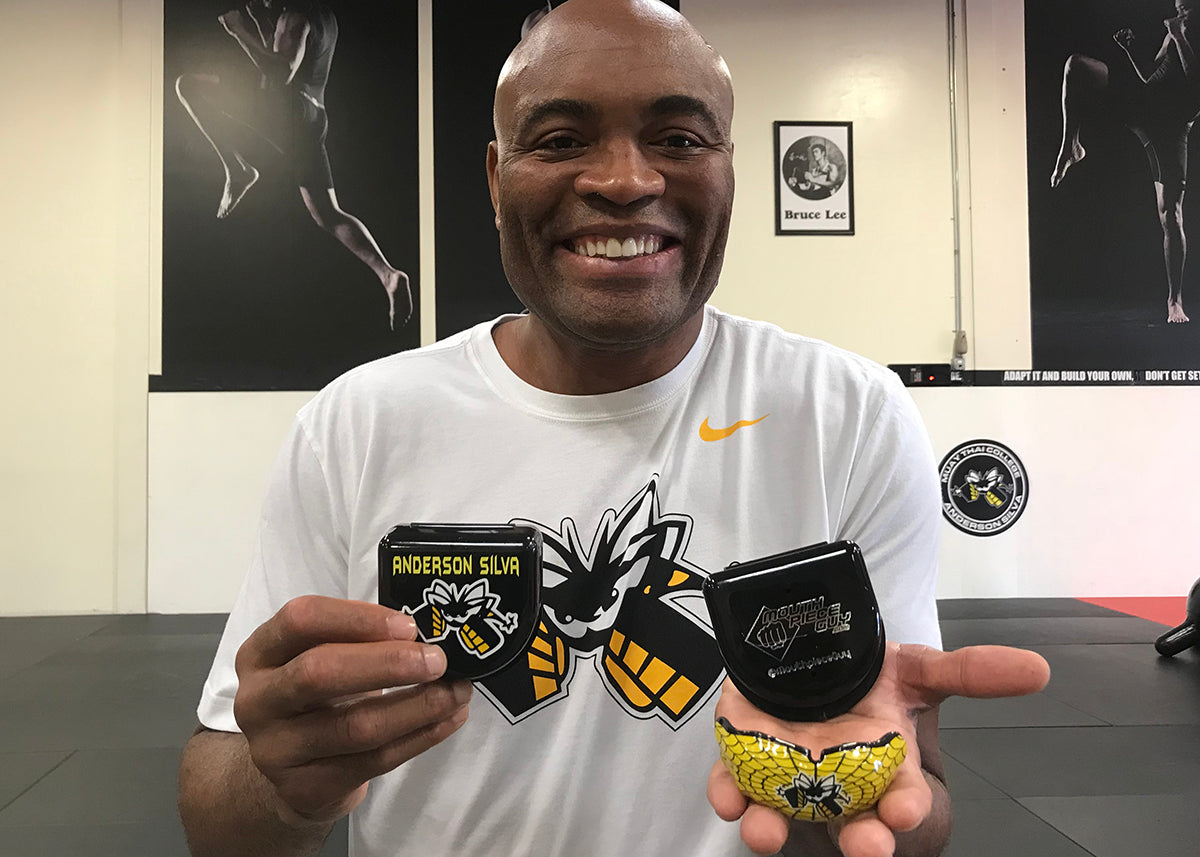
A quality mouthguard is essential. Choose a custom-fitted MMA mouthguard rather than a basic boil-and-bite version. Your teeth are irreplaceable, and a good mouthguard significantly reduces the risk of dental injuries and concussions.
Hand wraps provide additional wrist and knuckle support under your gloves. Learn proper wrapping technique from your coach—incorrectly wrapped hands can increase injury risk.
Training Attire
Comfortable, flexible clothing allows for a full range of motion during training. Board shorts or grappling shorts work well for men, while women can choose fitted shorts or leggings with a sports bra or rash guard.
Rash guards protect your skin from mat burns and reduce the risk of skin infections. They’re particularly important for ground training where you’ll be in close contact with training partners and equipment.
Choosing the Right MMA Gym
Your gym choice significantly impacts your learning experience and safety. Not all martial arts schools are created equal, so take time to research your options.
Coach Qualifications and Teaching Style
Look for instructors with legitimate fighting or coaching backgrounds. They should have experience in multiple MMA disciplines and a track record of developing students safely and effectively.
Good coaches emphasize proper technique over power, especially for beginners. They should create a structured curriculum that gradually builds your skills rather than throwing you into advanced techniques too quickly.
Training Environment and Culture
Visit potential gyms during actual classes to observe the atmosphere. The environment should feel challenging but supportive, with experienced students helping newcomers rather than trying to dominate them.
Pay attention to cleanliness and equipment quality. Mats should be cleaned regularly, and equipment should be well-maintained. Poor hygiene standards increase the risk of skin infections and other health issues.
Class Structure and Schedule
Beginner-friendly gyms offer dedicated fundamentals classes rather than expecting newcomers to jump into advanced sessions. Look for schools that separate beginners from experienced fighters during sparring and drilling.
Consider the schedule and location carefully. Consistency is crucial for skill development, so choose a gym you can attend regularly without major logistical challenges.
Setting Realistic Goals and Expectations
Many newcomers set unrealistic expectations that lead to frustration and burnout. MMA is complex, and developing competency takes time and patience.
Short-Term Goals
Focus on skill development rather than performance goals initially. Aim to master basic techniques, improve your cardio, and learn the fundamental positions and movements. Set monthly goals like learning specific techniques or attending a certain number of classes.
Consistency matters more than intensity for beginners. Training three times per week consistently beats training six times one week and zero the next.
Long-Term Development
Understand that becoming proficient in MMA typically takes years, not months. Even talented athletes need significant time to develop the muscle memory and decision-making skills required for effective fighting.
Set milestone goals like earning stripes or belts in specific disciplines, competing in amateur tournaments, or achieving certain fitness benchmarks. These concrete markers help track progress and maintain motivation.
Nutrition and Recovery Strategies
MMA training is physically demanding, making proper nutrition and recovery essential for progress and injury prevention.
Fueling Your Training
Eat a balanced diet with adequate protein to support muscle recovery and growth. Carbohydrates provide energy for intense training sessions, while healthy fats support hormone production and overall health.
Timing matters too. Eat a light meal 2-3 hours before training, or a small snack 30-60 minutes beforehand. Post-training nutrition should include both protein and carbohydrates to optimize recovery.
Hydration and Recovery
Dehydration significantly impairs performance and increases injury risk. Drink water throughout the day, not just during training. Monitor your urine color—pale yellow indicates proper hydration.
Sleep is when your body repairs and adapts to training stress. Aim for 7-9 hours of quality sleep per night. Poor sleep undermines training adaptations and increases injury risk.
Injury Prevention Fundamentals
MMA carries inherent injury risks, but proper preparation and technique significantly reduce these dangers.
Warm-Up and Mobility
Never skip warm-ups. Spend 10-15 minutes gradually increasing your heart rate and preparing your joints for training. Dynamic stretching and movement patterns specific to MMA work better than static stretching before training.
Cool down after training with light movement and static stretching. This helps prevent stiffness and promotes recovery.
Technique Over Power
Focus on learning proper technique before adding speed or power. Many injuries occur when people try to muscle through techniques they haven’t mastered yet.
Tap early and often during submission training. Your ego isn’t worth a torn ligament or damaged joint. Experienced training partners will respect you more for training smart than for being tough.
Mental Preparation and Mindset
MMA challenges you mentally as much as physically. Developing the right mindset is crucial for long-term success and enjoyment.
Building Discipline and Focus
MMA requires consistent effort over months and years. Develop training habits that become automatic rather than relying on motivation alone.
Learn to stay calm under pressure. Breathing techniques and mindfulness practices help manage stress and maintain focus during intense training or sparring sessions.
Dealing with Setbacks
Everyone faces plateaus, injuries, and discouraging training sessions. Accept these as normal parts of the learning process rather than signs that you should quit.
Build a support network within your gym community. Training partners who understand your struggles can provide encouragement and advice during difficult periods.
Conclusion
Embrace the learning process—MMA offers amazing physical and mental benefits, but they require patience, respect, and dedication. Your journey starts with that first class. Focus on safety, consistency, and proper technique during your early months. Choose a gym with skilled instructors, invest in protective gear, and prioritize recovery. Take it one session, one technique, and one day at a time.
