

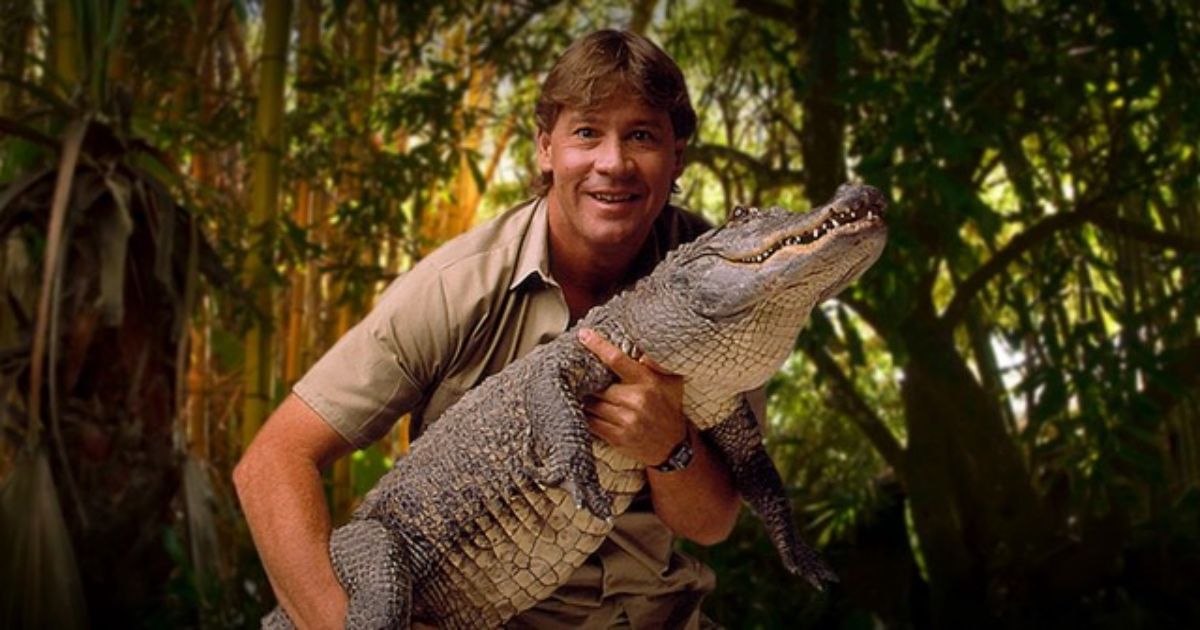
Offering guests access to species they might never come across in the wild, wildlife zoos have long been venues of education, conservation, and entertainment. Still, zoos’ purpose is changing. Rising knowledge of habitat degradation, species extinction, and climate change makes zoos entering a new era of environmental responsibility more important. Many are using sustainable methods to help the ecosystems they symbolize in addition to the animals under their care. From enclosure design to energy use even in how a modern wildlife show is presented to teach viewers about preserving the earth this change is clear in every element.
Modern Zoos: Their Changing Function
Zoos used to be mostly viewed historically as entertainment establishments. These days, they are more and more acknowledged as hubs for scientific study and wildlife protection. This change means that zoos have to now carefully combine environmental impact minimization with animal care. The essence of this change is sustainability. Reevaluating animal housing, food, and resource utilization across the grounds, facilities are also considering Modern zoos want to be both models of how human environments may interact with nature in a meaningful, long-lasting manner and havens for animals.
Environmental friendly Enclosure Design
Design of animal cages is one of the most obvious features of sustainability in zoos. Naturalistic settings that most nearly reflect the wild are replacing concrete cages. Often these enclosures feature native plants, water systems, and environmentally friendly building materials. As zoos use sustainable architecture, energy-efficient lighting, and recycled materials, green building certifications are growing more prevalent. The intention is to design places that help the surroundings as well as the animals. These careful designs improve the visiting experience as well, allowing guests to feel more in touch with the animals and their habitats.
Ecological Methods of Feeding
The environmental impact of a zoo depends much on the foods and sources of those foods the animals consume. Locally sourced food, less packaging waste, and, when suitable, organic or ethically reared meat are part of sustainable feeding methods. Many zoos today source fresh food and protein from nearby farms in order to reduce transportation emissions. Reducing food waste comes second. Often environmentally friendly, leftover or unneeded goods are composted or used for another purpose. Although these modifications seem little, taken on a big scale they really help to lower the general environmental effect of a zoo.
Conservation of Water Resources
For maintenance of animals, landscape preservation, and enclosure cleaning, zoos make significant use of water. Many institutions are thus funding water-saving devices. Standard elements now are smart irrigation, greywater recycling, and rainwater collecting systems. These methods enable zoos to keep rich, natural-looking environments without taxing nearby water supplies excessively. These days, water features in enclosures are made to cycle and filter water naturally, therefore lowering the demand for continuous renewal. These environmental initiatives complement more general objectives to protect this essential resource for next generations—human as well as animal.
Education as a Sustainable Tool
Any zoo’s main purpose is education, hence this covers environmental concerns as well. Using their venues, modern zoos educate guests on climate change, sustainability, and conservation. Behind-the-scenes tours, interactive exhibits, and workshops provide insightful analysis of how zoos are lowering their impact and the reasons behind it. The structure of the wildlife program is also changing from pure entertainment to potent narrative on threatened species and fragile ecosystems. Children and adults both are motivated by these educational initiatives to think about their own responsibilities in preserving the surroundings and the species depending on it.
From passive onlookers of nature to active players in environmental protection, wildlife zoos are undergoing a turning point. By way of sustainable architecture, environmentally aware operations, and community outreach, they are reinventing what it means to care for animals and the earth. From habitat design to the narrative in a wildlife show, sustainability is obviously and desperately important. Zoos are contributing to create a better, more harmonic world for next generations of people as well as animals by adopting greener methods now.
