

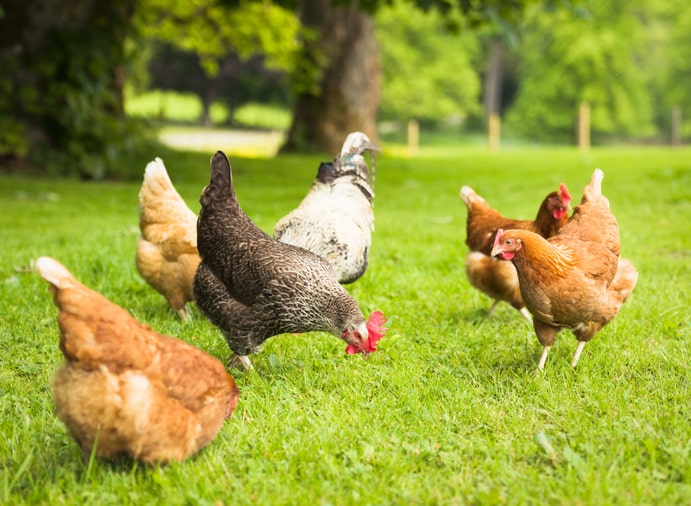
As consumers become increasingly aware of the conditions under which their food is produced, the demand for ethically sourced products has given rise to a significant shift within the poultry industry. Among the options available, free range chicken is a term that resonates with both health-conscious individuals and animal welfare advocates. This article explores the multifaceted benefits of selecting free range chicken as the poultry of choice for your dining table.
Understanding Free Range Chicken
The concept of free range pertains to the method by which poultry is raised. Unlike conventional farming practices where chickens are often confined in small, overcrowded cages, free range chickens roam freely in a more natural environment. This liberty not only impacts the wellbeing of the chickens but also affects the quality and taste of the meat.
Animal Welfare Considerations
A primary concern associated with standard poultry farming is animal welfare. By choosing to purchase free range chicken, consumers tacitly endorse farming practices that promote a higher standard of living for the animals. Free range chickens enjoy greater space, access to the outdoors, and opportunities to engage in instinctive behaviors such as foraging and dust bathing.
Nutritional Superiority
The dietary implications of opting for free range chicken are undeniably significant. Studies show that free range chickens, due to their more varied diet and active lifestyle, often have a better nutritional profile when compared to their caged counterparts. This includes higher levels of omega-3 fatty acids, vitamin E, and a more balanced omega-6 to omega-3 ratio—all essential for a healthy human diet.
Environmental Impact
Eco-conscious individuals will find solace in the fact that free range farming practices can have a lower environmental footprint. With more sustainable land management and reduced need for antibiotics and chemicals, these farms support biodiversity and soil health, contributing to a more balanced ecosystem.
Taste and Texture Enhancement
Many advocates of free range chicken argue that the meat’s taste and texture are superior to those of chickens raised in confined conditions. The meat from free range chickens is often described as more flavourful and less fatty. These sensory improvements can elevate the culinary experience, enhancing the appeal of dishes where chicken is the star ingredient.
Social Responsibility
By choosing free range chicken, consumers exercise social responsibility, sending a message to poultry producers about the importance of ethical farming practices. This demand encourages the industry to adhere to higher standards of animal welfare and sustainability, which can lead to systemic changes within the food production sector.
Psychological Comfort and Trust
There is a psychological comfort in knowing that the meat gracing your plate has come from an animal that lived a better quality life. Ethical choices offer peace of mind and a sense of trust in food sources, which can contribute to the overall dining experience.
Economic Support for Ethical Farmers
When consumers opt for free range products, they support farmers who invest in ethical practices. These farmers often face higher production costs due to the increased space and care needed for free range chickens. Purchasing their products ensures these farms can continue to operate and thrive, promoting a shift towards more humane farming methods within the wider agricultural community.
Regulatory Assurance
In many regions, the term “free range” is regulated by agricultural standards, meaning that producers must adhere to specific requirements to label their chicken as such. This regulatory oversight offers an additional layer of assurance that free range chickens are raised according to accepted ethical standards, giving consumers a reliable choice.
Public Health Benefits
The usage of antibiotics is a significant issue in conventional poultry farming, often employed to prevent disease in crowded living conditions. Overuse of antibiotics can contribute to the development of resistant bacteria, posing a risk to public health. Free range chickens are less likely to require antibiotics, reducing the potential for antibiotic resistance and protecting consumer health.
Contribution to the Local Economy
Free range chickens are often raised by local or regional farmers, which means that buying these products can support the local economy. By keeping money within the community, these choices can have a ripple effect, boosting the financial health of the area and providing jobs to local residents.
Transparency in Sourcing
Many free range chicken producers take pride in their practices and are transparent about their farming methods. This openness allows consumers to make informed decisions about the food they eat and to choose products that align with their personal values and beliefs.
Preserving Heritage and Rare Breeds
Free range farming often involves the raising of heritage or rare chicken breeds that are not usually found in conventional poultry operations. By opting for these products, consumers can play a role in preserving genetic diversity and safeguarding these breeds for future generations.
Culinary Creativity
Knowing the ethical source of one’s ingredients can inspire culinary creativity. As consumers feel better about the chicken they purchase, they may be more inclined to explore new recipes and cooking methods, further enhancing their enjoyment of meals prepared with free range chicken.
Conclusion: Why Opt for Free Range Chicken?
Choosing free range chicken involves more than simply selecting a type of poultry; it is a responsible choice that benefits the welfare of animals, improves health, and contributes positively to the environment and the economy. For the discerning consumer, the multifaceted advantages of free range chicken make it a compelling option for the conscientious addition to any table.
