

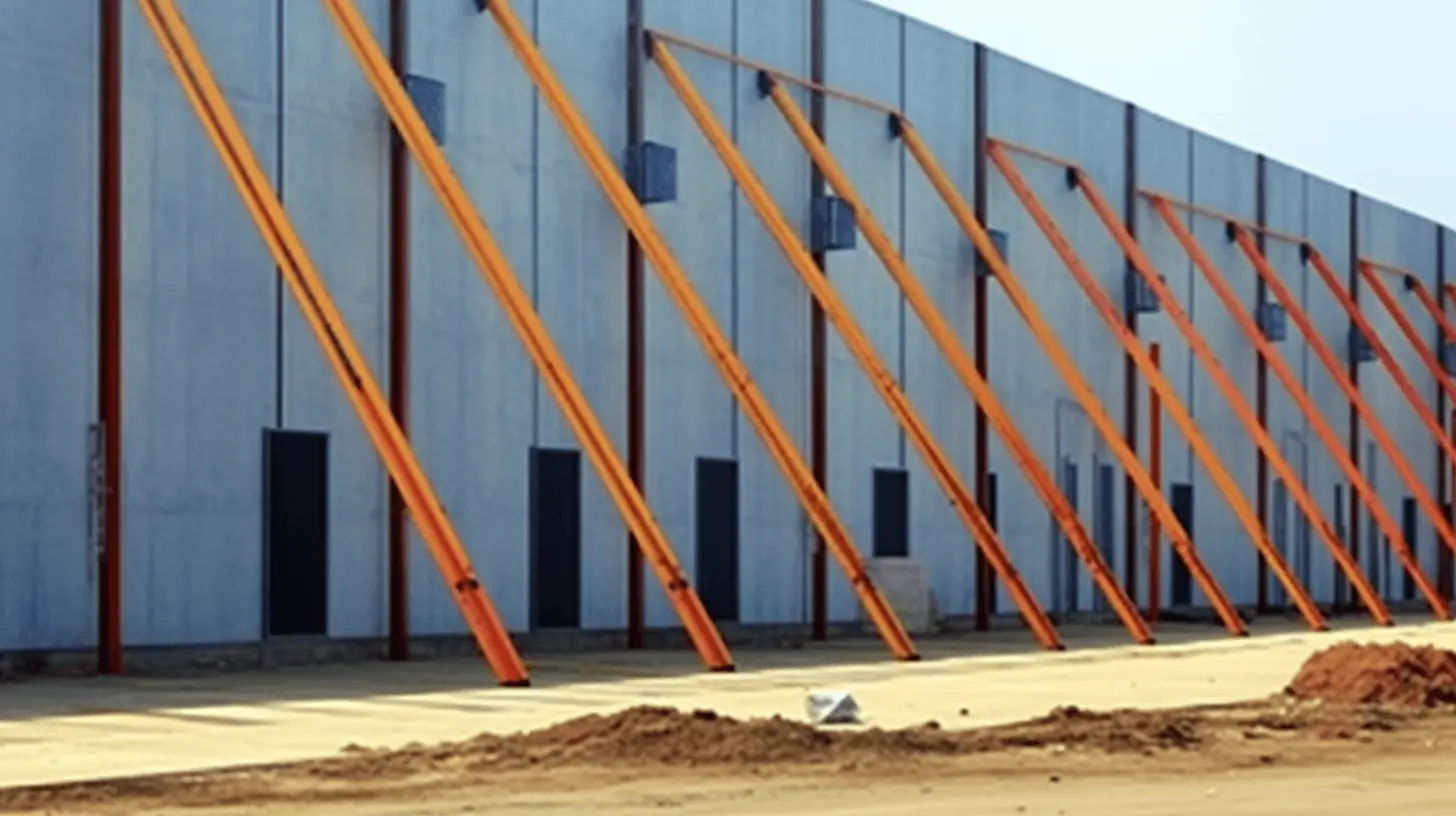
Tilt-up construction has gained prominence for its efficiency, durability, and cost-effectiveness in creating large-scale commercial and industrial buildings. Essential to the longevity and performance of these structures is a strong maintenance regime. Thus, a comprehensive understanding of tilt-up panel repairs and upkeep is paramount for property owners and facility managers. This guide aims to outline the critical steps and considerations for maintaining the structural integrity and aesthetic appeal of tilt-up buildings.
Introduction to Tilt-Up Panel Construction
Before delving into maintenance protocols, it’s crucial to grasp the basics of tilt-up construction. This method involves casting concrete panels horizontally on-site and then tilting them to a vertical position to form the building’s walls. Strengthened with reinforcing steel, these panels are connected to the building’s foundation and to each other, creating a robust edifice.
Importance of Regular Maintenance
Regular maintenance of tilt-up panels not only ensures structural safety but also preserves the building’s visual integrity. Neglecting these practices can lead to premature wear, which can be not only unsightly but also potentially hazardous. It’s a vital part of property management to be proactive in routine checks and maintenance works.
Inspection: The First Step in Panel Maintenance
Inspections should be scheduled at least annually to identify potential issues before they escalate. These comprehensive checks should focus on looking for cracks, misalignments, and signs of water infiltration. Based on the inspection, a maintenance plan can be drawn up to address any concern areas identified.
Detecting and Addressing Cracks
Cracks in tilt-up panels, while sometimes purely aesthetic, can be alarming indicators of deeper structural problems. Small hairline fractures may simply result from the natural curing process of concrete, but larger cracks may signify foundation settling or undue stress on the panel. It’s critical to monitor the size and length of cracks, as these changes can imply further complications.
Repairing Structural Damage
When structural damage is detected, immediate action is necessary. Tilt-up panel repairs must be performed by professionals who specialize in this type of work to ensure the integrity of the building is not compromised. It may involve epoxy injections, patching, or even full panel replacement, depending on the extent of the damage.
Dealing with Water Infiltration
One of the most critical factors affecting the lifespan of tilt-up panels is water infiltration. Proper sealing and waterproofing during the construction phase are crucial, yet maintenance in this area remains equally important. Regular checks for water damage and remedial moisture proofing can prevent a host of issues ranging from mildew to foundational damage.
Upkeeping Aesthetic Appeal
Aside from structural concerns, the aesthetic upkeep contributes significantly to a building’s value and appeal. Regular cleaning of the panels can remove built-up dirt and pollutants that may eventually erode the concrete’s surface. A clean, well-maintained appearance reflects positively on the businesses within and adds to the property’s overall value.
Seasonal Considerations in Panel Maintenance
Weather patterns and seasonal changes can play a pivotal role in maintenance schedules. For example, in colder climates, additional precautions are necessary to protect against freeze-thaw cycles which can exacerbate cracks. In contrast, buildings in hotter regions may require more frequent checks on the integrity of the sealants due to higher UV exposure and thermal expansion.
Establishing a Maintenance Schedule
Consistency is key in maintenance efforts. Establishing a regular, documented schedule helps in prolonging the life of the panels and ensuring that any warranties remain valid. It should include inspection dates, detailed notes on observations, and a timeline for any necessary repairs or preventive actions.
Partnering with Maintenance Specialists
Building a relationship with maintenance specialists who understand tilt-up panels is a wise investment. It ensures that when repairs or maintenance are required, they are conducted accurately and efficiently. Professional teams bring with them the necessary expertise, equipment, and materials to maintain the property to the highest standards.
Long-term Benefits of Proactive Upkeep
By investing in the maintenance of tilt-up panels, property owners can avoid costly overhauls and extend the building’s operational life span. Proactive upkeep minimizes the risks of unplanned downtime due to emergency repairs and helps in budgeting by allowing for planned expenditures on maintenance.
Conclusion
In conclusion, the upkeep and repair of tilt-up panels are integral to the structural and aesthetic lifecycle of a tilt-up building. Regular inspection, timely tilt-up panel repairs, and a consistent maintenance regime are the cornerstones of protecting the investment made in a tilt-up construction. Facility managers and owners must recognize the importance of these practices and dedicate the necessary resources and attention to uphold the building’s integrity and appearance.
Adhering to the principles outlined in this guide will not only safeguard the physical fabric of a property but also contribute to a sustainable and profitable future for the businesses that it houses. The key is vigilance, routine and professional collaboration – the hallmarks of exceptional tilt-up panel maintenance.
