

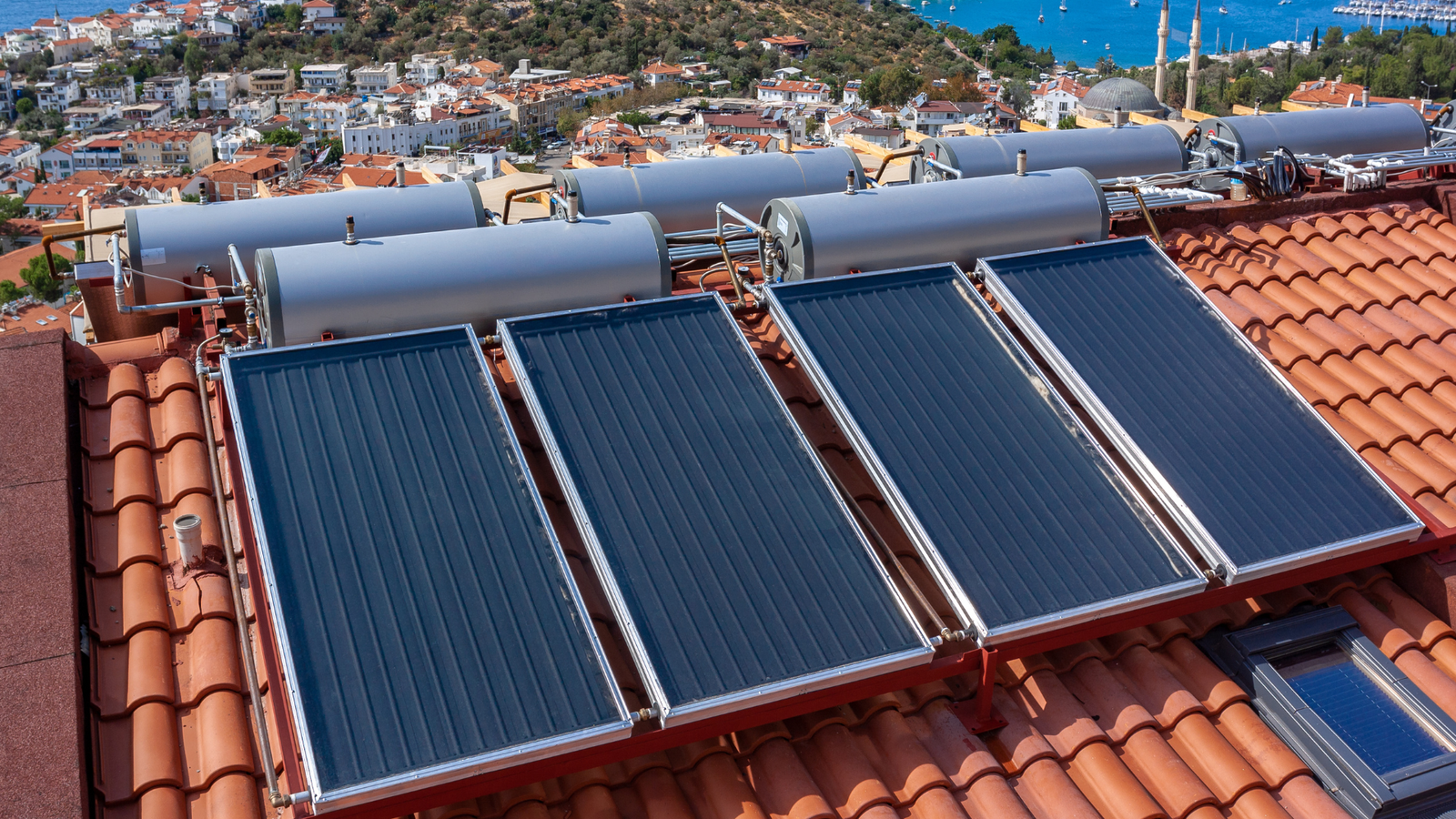
The conversation around sustainable living continues to gain momentum as individuals and communities recognise the urgent need to reduce our carbon footprint and combat climate change. A crucial component of the sustainable living conversation is the way we generate and use energy, particularly in our homes. An area often overlooked is how we heat our water, but advancements in technology are ushering in an era where a hot water system powered by renewable energy sources, particularly the sun, is becoming increasingly viable and attractive.
Understanding the Demand for Sustainable Hot Water
Hot water is integral to our daily lives, from bathing and cooking to cleaning. The energy used to heat this water traditionally comes from non-renewable sources like natural gas, oil, or coal-fired electricity, contributing substantially to household emissions. The evolution of sustainable hot water systems thus represents a significant opportunity to reduce these emissions by leveraging renewable energy sources.
One such technology at the forefront is the solar hot water system, which transforms sunlight into thermal energy to heat water, offering a significantly reduced environmental impact compared to conventional methods. The design of these systems typically involves solar collectors, efficiently absorbing energy from the sun, and using that energy to heat water stored in insulated tanks.
The Advantages of Solar Hot Water Systems
There are multiple advantages to adopting solar hot water systems. They help reduce reliance on fossil fuels, leading to lower greenhouse gas emissions. In addition, they offer potential cost savings in the long term, as sunlight is a free and abundant resource that can decrease monthly energy bills. Maintenance is also minimal, enhancing their appeal to environmentally and financially conscious consumers.
Economic incentives often bolster the argument for switching to a solar hot water system, as governments across the world offer rebates and tax credits to encourage the adoption of renewable energy technologies. This financial support, combined with the growing social responsibility towards sustainable living, positions solar hot water systems as a sensible choice for future-proofing a household’s energy needs.
Integrating Solar Hot Water Systems into Homes
The integration of solar hot water systems into existing structures is now more seamless than ever, with options for retrofitting or installing during new builds. Advances in design have made these systems aesthetically pleasing and able to complement a variety of architectural styles. Moreover, the flexibility in system size allows them to serve the varied demands of different households.
However, integration does come with considerations. The geographic location of a home, for instance, will influence the system’s efficiency, as solar exposure varies by region. Professional evaluation is key in determining the appropriate system size and configuration to ensure optimal performance and maximise energy savings.
Challenges and Considerations
Despite the clear benefits, several challenges impede the widespread adoption of solar hot water systems. Initial installation costs can be high, which might deter some homeowners. Furthermore, Solar hot water systems perform optimally in sunny conditions, raising concerns about their efficacy during overcast periods or in regions with less consistent sunlight.
Technological innovations, however, are helping to address these challenges. For instance, the development of more efficient solar collectors and better-insulated storage tanks ensures maximum heat retention, even when the sun isn’t shining. Additionally, hybrid systems incorporate backup heaters that use electricity or gas, guaranteeing a steady hot water supply irrespective of weather conditions.
The Future of Sustainable Hot Water Systems
The rise in energy costs and increasing environmental awareness are set to further drive the growth of solar hot water systems. As these systems become more efficient and affordable, they will undoubtedly play a pivotal role in the transition to renewable energy sources for domestic hot water production.
Moreover, active research into materials science and solar technologies signals the potential for even greater advancements in solar hot water systems. Innovations in photovoltaic cells or the development of new, more sustainable materials for thermal storage are just a few areas that could redefine the efficiency and accessibility of solar hot water solutions.
Consumer Empowerment through Information and Support
For homeowners considering a switch to a solar hot water system, access to accurate information and support is critical. Trusted manufacturers and suppliers, knowledgeable in the latest developments and applications of solar hot water technologies, can provide invaluable advice and assistance. Such guidance ensures consumers make informed decisions that align with their specific needs and local climate conditions.
As solar technology continues to advance and become more accessible, consumers are empowered to take control of their environmental impact and contribute to a larger movement towards sustainable living. In this light, the future of domestic hot water systems is undeniably one that will be shaped by an increased reliance on the power of the sun.
Conclusion
The transition to solar-powered hot water systems represents a powerful step towards achieving our sustainable living goals. As individuals and households increasingly recognise the environmental and financial benefits of these systems, it is likely we will witness broader adoption in the coming years. In harnessing the sun’s energy for our daily needs, we not only protect the environment but also tap into an inexhaustible and clean energy source.
Sustainable hot water systems, particularly those harnessing solar energy, are set to play a key role in shaping a greener and more energy-efficient future. By embracing this technology, consumers not only contribute positively to the environment but also to the enduring sustainability of our energy resources.
Explore the possibilities of a hot water system that utilises the boundless energy of the sun, and take one more step towards a sustainable and cost-effective future for all.
