

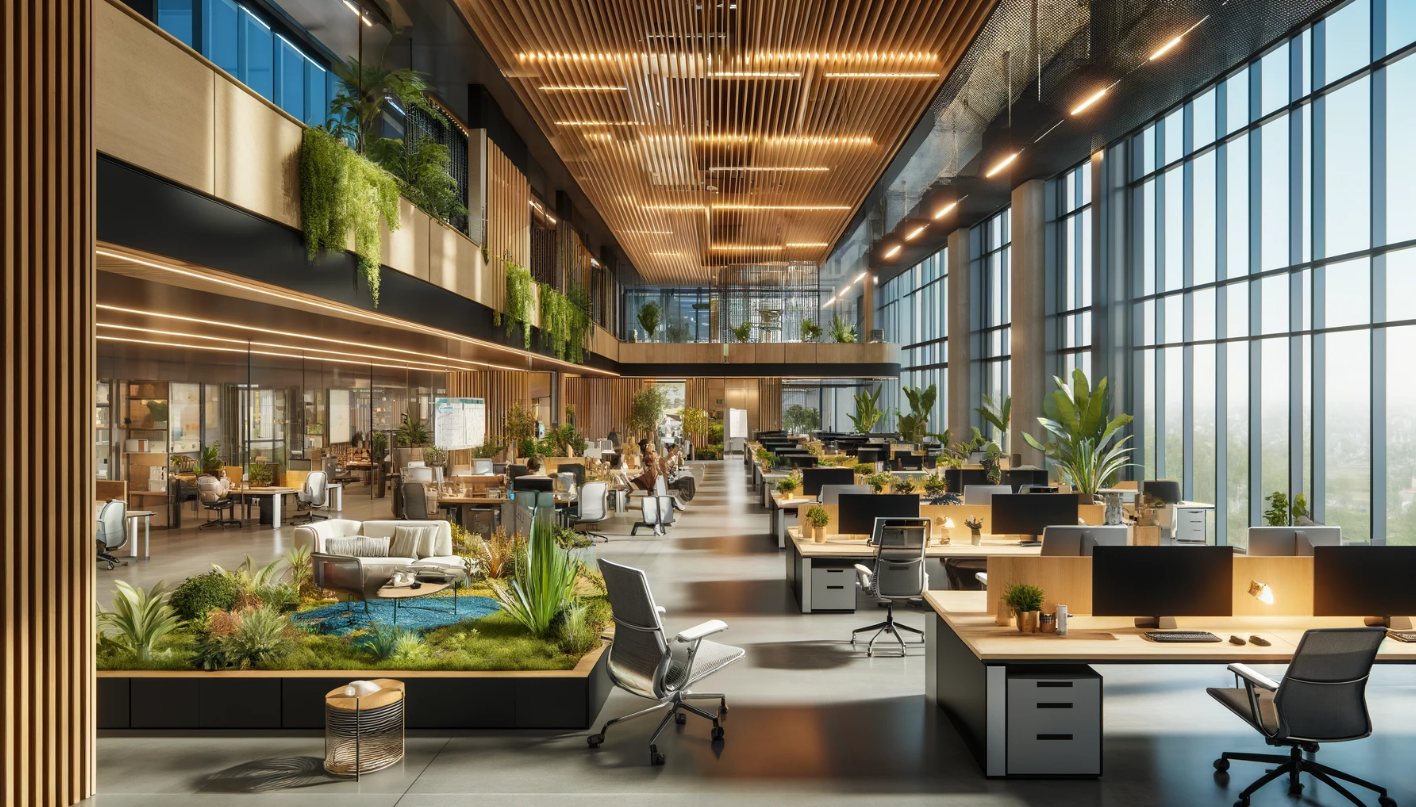
In the dynamic world of business, the design and layout of workspace play a pivotal role in defining the efficiency, productivity, and corporate culture of an organisation. Companies across the globe are recognising the need to adapt their office spaces to not just reflect their brand identity but to also cater to the evolving demands of their workforce. This has led to the rise in popularity of commercial fitouts, a trend that encapsulates the transformation of traditional offices into modern, functional, and inspiring environments.
Understanding Commercial Fitouts
Commercial fitouts involve the process of making interior spaces suitable for occupation. It is often contrasted with residential fitouts, which cater to domestic environments. At their core, commercial fitouts are designed to maximise space utility, embody a company’s brand, and create a conducive work atmosphere. This sophisticated approach to office renovation is vital for businesses wanting to keep up with the times and provide their employees with a workspace that promotes wellbeing and productivity.
The Strategic Importance of Fitouts in Modern Business
The significance of commercial fitouts extends beyond mere aesthetics. Businesses are embracing fitouts as a strategy to improve worker satisfaction and retention. The right fitout enhances the functionality of a space, ensuring that employees have access to the tools and environments they need to carry out their duties effectively.
Furthermore, with an increasing focus on employee wellness, ergonomic designs and nature-inspired elements are frequently incorporated into fitouts. Such features have been found to reduce stress and enhance creativity, leading to better overall performance within the workforce.
Technological Integration in Fitouts
In today’s digital age, technology integration is a crucial aspect of commercial fitouts. Up-to-date and well-integrated tech solutions not only streamline processes but also foster a culture of innovation. From smart lighting systems to interactive meeting rooms, technology is being used to create spaces that are not just efficient but also future-proof, capable of evolving with the demands of the business and the technology landscape.
Customisation Leading the Way
One of the key aspects of commercial fitouts is the customisation that it offers. Every business is unique, with its own set of values, objectives, and practices. Fitouts allow businesses to design their spaces in ways that reflect these individual characteristics. Customised workstations, brand-specific decor, and specially designed collaborative spaces help businesses to stand out and make a statement through their physical premises.
Crafting Sustainable Spaces
As environmental concerns become more pressing, sustainability is taking centre stage in the office renovation process. Commercial fitouts are now geared towards minimising environmental impact through the use of sustainable materials, energy-efficient systems, and designs that maximise natural light and air flow. These considerations not only contribute to the wellbeing of the planet but also result in cost savings for the business in the long run.
The Impact on Corporate Culture
A well-executed commercial fitout can drastically influence corporate culture. It reinforces a sense of identity among employees and can help foster a collaborative spirit. Open-plan designs and communal areas encourage interaction and a team-oriented approach, breaking down hierarchical barriers and promoting open communication. In essence, the physical workspace becomes a representation of the company ethos and a canvas for culture to thrive.
Financial Considerations
Investing in a commercial fitout is a significant financial decision. However, with strategic planning, the renovation can lead to financial benefits in the long term. Energy-efficient designs can lead to reduced utility costs, while an inviting workspace can attract top talent and reduce employee turnover. Moreover, by aligning the workspace with the company’s operational needs, resources are utilised more effectively, leading to increased productivity.
Partnering With Fitout Professionals
The success of a commercial fitout relies heavily on the expertise of the professionals brought on board. Choosing the right fitout company—one that understands the business’s objectives, brand identity, and has a thorough grasp of contemporary design trends—is essential. Experts in the field can provide valuable insights into space planning, material selection, and project management, ensuring that the renovation process is carried out smoothly.
Incorporating Flexibility
Another essential feature of modern commercial fitouts is flexibility. The pace at which businesses evolve requires office spaces that can adapt quickly. Modular furniture, movable partitions, and adaptable workspaces are examples of flexible design elements that can accommodate the shifting needs of a business without the need for extensive renovation work in the future.
The Future of Workspaces
The future of workspaces seems firmly anchored in the principles of flexibility, technology, and customisation. As new generations enter the workforce, their expectations of what a work environment should offer are shifting the landscape even further. Commercial fitouts represent not just a trend but a movement towards more intelligent, people-focused, and adaptive work environments.
Conclusion
The rise of commercial fitouts is a reflection of a broader transformation in the business world—a recognition of the profound impact that space design has on an organisation’s success. By revolutionising workspaces, businesses are not just changing the physical layout of their offices but are also reshaping their culture and redefining the way they operate. As companies continue to invest in these innovative workspace solutions, we can expect to see office renovations playing an increasingly strategic role in corporate evolution.
