

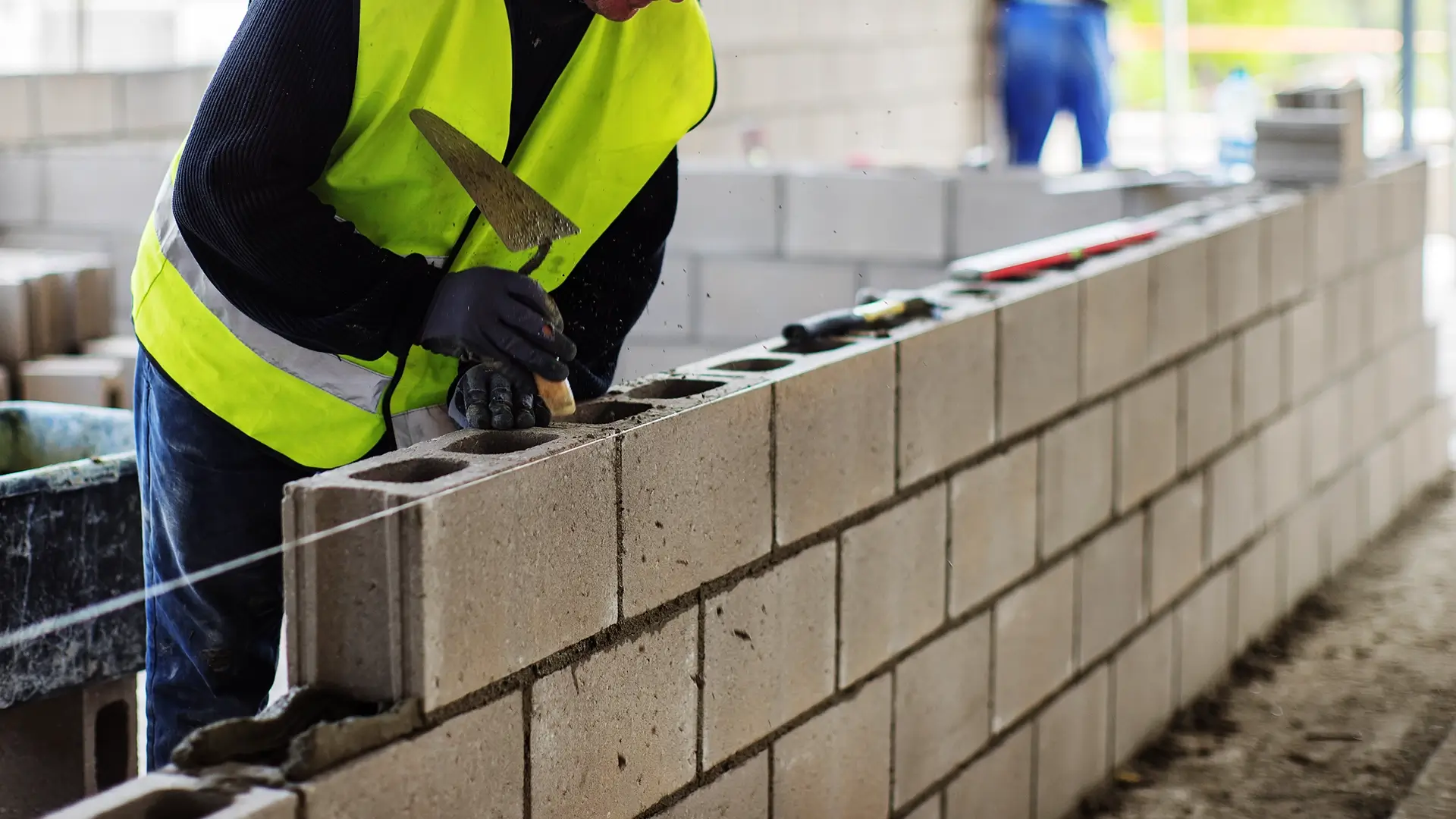
As the world intensifies its efforts to combat climate change, sustainable construction has become a pivotal point of discussion and action. Key among the plethora of sustainable construction materials is low carbon concrete, an innovative solution that promises to reshape the building industry. Construction professionals, environmentalists, and policy-makers alike are turning their attention to this material, recognising its vast potential in reducing the carbon footprint of new structures.
The Imperative for Sustainable Building Materials
With the construction industry being one of the most significant contributors to global greenhouse gas emissions, there is an urgent demand for materials that can mitigate environmental impact. Traditional concrete, despite its widespread use and structural benefits, has come under scrutiny for its environmental footprints, primarily due to the carbon-intensive production of cement.
In response, significant research and investment are channelled into developing alternatives that preserve the performance characteristics of conventional concrete while substantially reducing its carbon content. This endeavour is not only a technical challenge but a necessary step towards achieving international climate goals.
Characteristics of Low Carbon Concrete
Low carbon concrete has been formulated to maintain the integrity and versatility of its traditional counterpart. It offers comparable strength, durability, and usability, which makes it suitable for a wide range of construction applications. The key difference, however, lies in the materials and processes used for its production.
Manufacturers of low carbon concrete typically utilise supplementary cementitious materials (SCMs) such as fly ash, slag, or silica fume. These SCMs can either partially or fully replace the ordinary Portland cement which is responsible for the majority of concrete’s carbon footprint.
Innovators in the field are also experimenting with alternative binding materials, improved curing processes, and even the incorporation of carbon capturing technologies to produce concrete that not only has a lower carbon content but may also actively reduce atmospheric carbon dioxide levels.
Benefits Beyond Reduced Carbon Emissions
The adoption of low carbon concrete goes beyond mere emission reductions. It also presents numerous ancillary benefits that align with broader sustainability objectives. For instance, the use of industrial by-products as SCMs in low carbon concrete production helps in waste management by diverting these materials from landfills.
Furthermore, the durability of low carbon concrete means longer-lasting structures with fewer repairs and reduced maintenance. This longevity translates to resource conservation and further environmental benefits, as the need for future materials and construction activities is lessened.
The Role of Low Carbon Concrete in Sustainable Development
The transition to low carbon concrete is not just a technical switch; it embodies a holistic move towards sustainable construction practices. Integrating low carbon concrete into new projects contributes to the development of sustainable infrastructures that comply with evolving regulations and standards pertaining to sustainability and carbon reduction.
In the field of sustainable construction, low carbon concrete is also seen as a facilitator for innovative design. It allows architects and engineers to explore new structural possibilities without the environmental guilt associated with traditional concrete. The material’s adaptability to various aesthetics and forms extends its appeal across the spectrum of design and construction disciplines.
Challenges and Opportunities
Despite the clear environmental benefits, the widespread adoption of low carbon concrete faces several challenges. One of these is market readiness – from the availability of materials to the confidence of builders and consumers in its performance. The industry must ensure consistent quality and supply chains to facilitate the transition.
Another challenge relates to cost. Initially, low carbon concrete may appear more expensive than traditional concrete. However, with the increasing volume of production and further technological advancements, it’s expected that costs will become competitive and even offset by the longer lifespan and reduced environmental impact of structures built with low carbon concrete.
Education of industry professionals and the public about the benefits and applications of low carbon concrete is also essential for driving its adoption. Mutual understanding and collaboration across sectors will be key in overcoming the existing barriers and harnessing the full potential of this revolutionary material.
Looking to the Future
Globally, the rise of low carbon concrete signifies an encouraging shift towards more sustainable construction methods. It is an essential step in meeting the environmental targets set out by the Paris Agreement and other international efforts to combat climate change.
The construction industry has a pivotal role to play in this transition, with significant implications for our planet’s future. It’s a collective responsibility that involves choosing materials that not only serve the structural needs of our societies but also protect and preserve the environment for generations to come.
As we move forward, it will be the innovative solutions like low carbon concrete that pave the way towards a greener, more sustainable future in construction. The continued research, investment, and advocacy in these materials are essential to building a more resilient and environmentally responsible world.
