

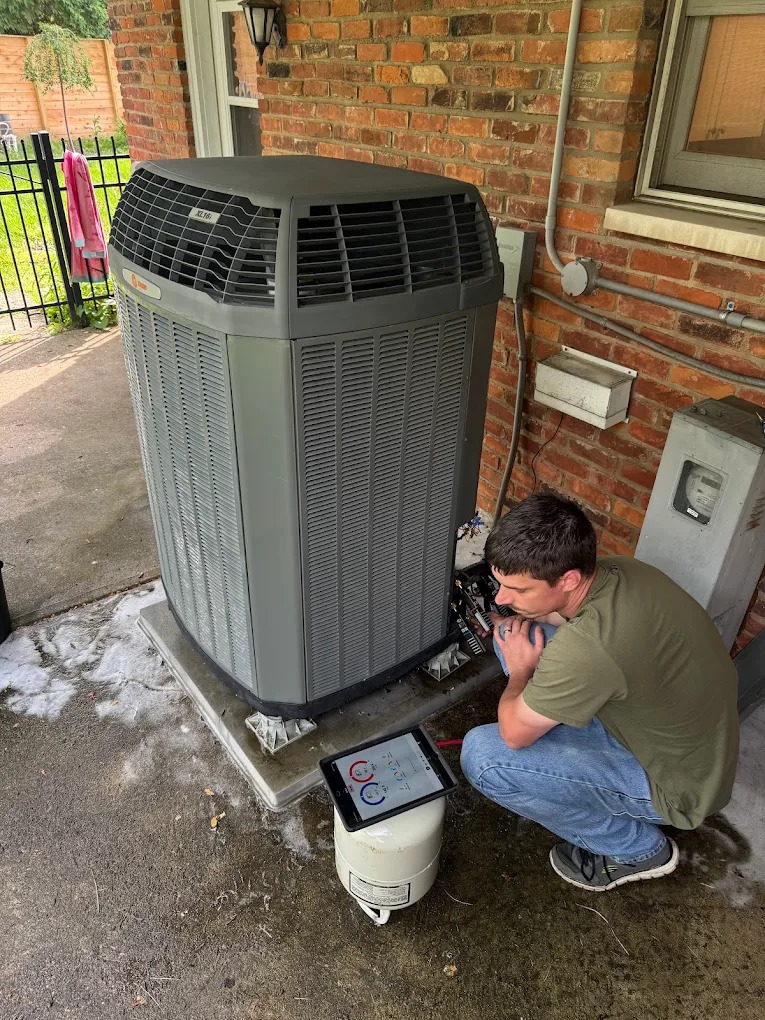
Buying a furnace and waiting for it to break is an outdated strategy. Facility managers and homeowners alike are rapidly adopting a more intelligent model: HVAC-as-a-Service (HVACaaS). Instead of simply purchasing mechanical hardware, you subscribe to a guaranteed outcome—consistent, optimized indoor climate control. This productized service relies on continuous monitoring, predictive analytics, and proactive maintenance to eliminate emergency breakdowns and optimize energy consumption. By shifting the burden of equipment lifecycle management to the provider, building operators unlock financial predictability and operational peace of mind. Here are the top five ways this service model is fundamentally changing how we approach heating and cooling infrastructure.
1. Eliminating Catastrophic Failure Through Predictive Diagnostics
Traditional maintenance relies on reactive break-fix scenarios or rigid calendar schedules. A technician might inspect a commercial chiller in early spring, missing a slow refrigerant leak that completely ruins the compressor by August. The HVACaaS model operates entirely differently by transforming passive equipment into active data nodes. Sensors continuously monitor vibration, airflow, amperage draw, and temperature differentials. Machine learning algorithms analyze these data points against historical baselines to flag anomalies before physical failure occurs.
If an inducer motor starts vibrating slightly off-axis, the system triggers an alert. Addressing this minor issue proactively prevents a catastrophic breakdown during peak winter demand. Partnering with a specialized provider like Paradise Heating and Cooling ensures these digital diagnostics are paired with expert mechanical execution. They understand how to interpret nuanced data streams and replace components exactly when necessary, rather than waiting for the system to shut down completely. This predictive approach keeps critical environments comfortable and functional without interruption.
2. Transforming Unpredictable Capital Expenses Into Manageable Operations
Upgrading commercial or high-efficiency residential climate systems requires massive upfront capital. Because of these steep initial costs, property owners frequently delay necessary replacements, opting instead to patch together aging, inefficient units. This creates a cycle of soaring energy bills and expensive emergency repairs.
Transitioning to a service-based product model shatters this financial barrier. The subscription framework categorizes the equipment and its ongoing management as an operational expense. Facilities gain immediate access to top-tier, hyper-efficient systems without depleting their cash reserves. The fixed monthly or annual fee covers the hardware, installation, continuous monitoring, and all necessary maintenance. Financial predictability replaces the anxiety of holding massive contingency funds for unexpected boiler or compressor replacements. For multi-family complexes, retail spaces, and even large residential properties, stabilizing overhead costs while simultaneously upgrading infrastructure is a massive strategic advantage.
3. Overcoming the “Loss of Control” Misconception
A widespread myth surrounding smart service agreements is that property owners forfeit authority over their own environments. Skeptics worry remote management firms will lock thermostats and disregard localized preferences for aggressive energy savings.
Modern HVACaaS platforms deliver granular, user-friendly control through intuitive mobile and desktop dashboards. Occupants maintain full ability to adjust zone temperatures, establish localized schedules, and initiate temporary overrides. The service provider handles the complex, underlying mechanical variables—like adjusting variable refrigerant flow valves or calibrating blower speeds to match the static pressure of the ductwork. You still control the room temperature; the service ensures the machinery achieves that temperature with absolute maximum efficiency. The system empowers users rather than restricting them, marrying localized comfort with expert backend management.
4. Leveraging Real-Time IoT Sensor Integration
The functional core of any successful climate-as-a-service model is deep network connectivity. It is not enough to simply connect a thermostat to Wi-Fi. Every major component within the mechanical ecosystem must communicate seamlessly.
This interconnected web of Internet of Things sensors enables remote troubleshooting and dynamic system adjustments. A technician can log into a secure cloud portal to modify expansion valves or adjust compressor staging without ever rolling a truck to the physical site. However, leveraging this technology requires solid localized infrastructure. Integrating advanced diagnostic hardware seamlessly requires a reliable team; establishing a long-term service relationship with Paradise Heating and Cooling allows property managers to bridge the gap between legacy electrical panels and modern, cloud-connected equipment. Flawless integration ensures that data flows uninterrupted from rooftop units to centralized analytics servers, maximizing the return on your technological investment.
5. Guaranteeing Peak Energy Efficiency Year-Round
Mechanical systems degrade over time. A furnace or air conditioner operating at peak efficiency on installation day will slowly lose performance as filters clog, belts stretch, and coils accumulate dust. In a traditional ownership model, the property owner absorbs the cost of this creeping inefficiency through higher monthly utility bills.
Under an HVACaaS agreement, the provider’s profitability depends directly on the system running at optimal levels. They are financially incentivized to install the most durable equipment and maintain it meticulously. If a system draws excess power due to a dirty condenser coil, the monitoring software flags the inefficiency immediately. Routine service is dispatched not based on a random calendar date, but when the data indicates performance is dropping. This ensures the hardware continuously delivers the exact efficiency rating promised on the box, permanently driving down energy consumption and reducing carbon footprints.
Actionable Steps to Transition Your Infrastructure
Moving away from legacy ownership models requires a methodical approach. You cannot simply turn a twenty-year-old boiler into an intelligent service node. Consider these practical steps when evaluating an upgrade:
- Audit Existing Equipment: Document the age, maintenance history, and specific failure points of your current machinery. This helps determine if a full replacement is necessary or if retrofitting communication modules is viable.
- Evaluate Network Capabilities: Connected systems require robust Wi-Fi or cellular gateways. Ensure your mechanical rooms and rooftops have adequate signal strength to transmit continuous diagnostic data without dropping packets.
- Analyze Total Cost of Ownership: Look beyond the initial sticker price of new hardware. Calculate your current annual spend on emergency repairs, routine maintenance, and energy waste, then compare that figure against a fixed service subscription.
- Review Data Privacy Protocols: Ensure the service provider anonymizes operational data and employs strong cybersecurity measures to protect your network from external vulnerabilities.
Redefining Building Operations for the Long Haul
Treating heating and cooling as a continuous, managed service entirely redefines how facilities operate. The traditional cycle of rapid degradation followed by expensive, panicked repairs is finally being replaced by intelligent, data-driven stability. By adopting an OpEx-focused subscription model, property owners secure advanced hardware, eliminate unpredictable capital costs, and guarantee long-term energy efficiency. This transition represents a fundamental shift in facility management. Embracing predictive climate technology allows organizations to focus entirely on their core operations, knowing their indoor environments are continuously monitored, relentlessly optimized, and perfectly maintained.
