

Introduction
Your home may appear strong and secure on the surface, but what lies beneath often determines its true integrity. Beneath the drywall, beneath the flooring, and even beneath your basement lies the core of your home’s structure: the foundation. When this critical element begins to show signs of stress—especially visible cracks—it can signal much more than just an aesthetic issue.
Cracks in the foundation can range from harmless hairlines to severe fissures that jeopardize structural safety. While not every crack is a red flag, understanding when to act is essential. Homeowners often delay repairs due to lack of awareness, budget constraints, or assuming the problem is cosmetic. Unfortunately, small issues can escalate, affecting walls, floors, plumbing, and even resale value.
This comprehensive guide explores the causes, types, assessment techniques, and repair options related to structural cracks. It also outlines how to prevent damage, when to seek professional help, and why staying proactive is the best approach to protecting your property long term.
Why Foundations Crack
Concrete is strong and durable—but not invincible. Over time, various internal and external forces put pressure on the foundation, leading to visible damage. Cracking often happens due to a combination of these forces, and understanding them can help prevent more serious issues down the road.
1. Soil Movement
The type of soil beneath a building plays a major role in its foundation stability. Expansive clay soils, for instance, swell when wet and shrink during dry periods. This movement can cause the concrete above to shift or settle unevenly, resulting in stress fractures.
2. Hydrostatic Pressure
When water builds up in the soil surrounding a structure, it exerts pressure against basement or crawl space walls. Over time, this pressure can cause cracks and even lead to leaks or wall bowing.
3. Shrinkage During Curing
Concrete naturally shrinks slightly as it cures. This shrinkage can create minor cracks that aren’t necessarily dangerous but may allow moisture to seep through.
4. Temperature Changes
Extreme variations in temperature—such as freezing and thawing cycles—can cause the concrete to expand and contract, eventually leading to cracks.
5. Poor Construction Practices
Inadequate soil compaction, low-quality materials, or failure to properly reinforce the concrete can create structural weaknesses from day one.
6. Tree Roots
Large trees planted too close to the home can draw moisture from the soil, causing uneven settling and leading to cracks.
Types of Cracks and What They Mean
Not all foundation cracks are created equal. Some may simply be cosmetic, while others could point to serious structural problems. Identifying the type of crack is the first step in determining the right response.
1. Hairline Cracks
Typically caused by shrinkage during the curing process, these cracks are usually less than 1/16 inch wide. They’re often found in new construction and are generally not serious.
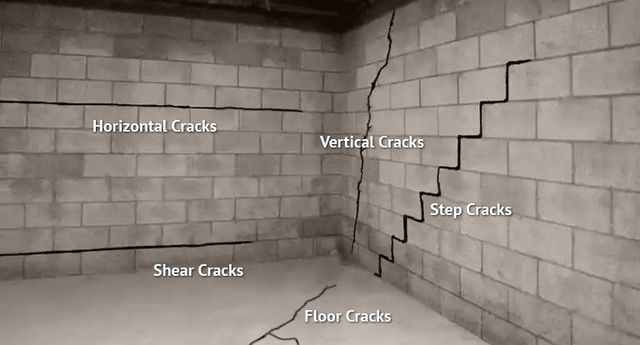
2. Vertical Cracks
These run straight up and down or slightly diagonal. Often caused by natural settling, vertical cracks are usually the least serious but should still be monitored.
3. Horizontal Cracks
These cracks are more serious. Often found in basement walls, they indicate hydrostatic pressure and could be a sign of wall bowing or failure.
4. Stair-Step Cracks
These follow the mortar joints in block or brick foundations. They’re a common symptom of differential settling and can range in severity.
5. Diagonal Cracks
Often a result of uneven settling or shifting, diagonal cracks may indicate significant structural movement and should be evaluated by a professional.
6. Cracks with Displacement
If one side of the crack is higher or lower than the other, this indicates active movement and likely a foundation shift that needs immediate attention.
How to Assess the Severity
Homeowners are not expected to be structural engineers, but some key observations can help determine whether it’s time to call a professional.
- Measure the width of the crack: Anything over 1/8 inch may require closer inspection.
- Monitor the crack over time: Use a pencil or tape measure to track any changes in size or length.
- Check for moisture: Dampness or water stains near a crack can lead to mold and further damage.
- Inspect other areas: Cracks in drywall, misaligned doors and windows, or sloping floors can indicate deeper structural issues.
If multiple warning signs are present, it’s wise to get an expert opinion sooner rather than later.
Risks of Ignoring Foundation Cracks
Delaying repairs to cracked foundations may seem like a way to save money, but the risks far outweigh any short-term benefit. Even minor cracks can widen, deepen, or allow water and pests to enter the structure over time.
Consequences of inaction include:
- Water damage leading to mold, mildew, and rot
- Structural weakening, especially during storms or seismic events
- Pest infestation through open gaps in the foundation
- Loss of insulation and increased energy costs
- Decreased property value
- Difficulties during home inspection or resale
When cracks are actively growing or accompanied by other symptoms, immediate action can prevent thousands of dollars in future repairs.
Repair Options for Cracked Foundations
Once the issue has been identified, choosing the correct repair method is critical. There is no one-size-fits-all solution. The approach should be tailored based on the type, location, and severity of the crack.
1. Epoxy or Polyurethane Injection
For non-structural cracks, injecting epoxy or polyurethane sealant into the crack can prevent moisture intrusion. This is a cost-effective option for minor issues.
2. Carbon Fiber Reinforcement
In cases where walls are beginning to bow or shift, carbon fiber strips can be applied to strengthen the wall and prevent further movement.
3. Wall Anchors or Bracing
For horizontal cracks due to hydrostatic pressure, wall anchors or braces can stabilize and even restore the wall over time.
4. Piering and Underpinning
If the cracks are caused by foundation settling, piers are installed beneath the foundation to lift and stabilize the structure.
5. Slabjacking or Mudjacking
Involves injecting a concrete mixture beneath sunken slabs to restore them to their original level—ideal for garage floors or patios.
6. Drainage Correction
In cases where water pressure is the main issue, improving exterior drainage may be required to prevent future cracking.
Professional assessment ensures the correct method is applied, preventing misdiagnosis and future complications.
Preventing Foundation Damage
While not every crack is avoidable, many of the underlying causes can be prevented with regular maintenance and proactive care.
- Ensure proper grading around your home to keep water flowing away.
- Keep gutters and downspouts clean, directing water at least five feet from the foundation.
- Avoid planting large trees or shrubs too close to the home.
- Check for plumbing leaks, especially in crawl spaces and basements.
- Seal exterior cracks promptly before they worsen or allow moisture inside.
- Install or maintain sump pumps and drainage systems if your area is prone to heavy rain or flooding.
Seasonal checks, especially after major weather changes, help catch problems early before they become major issues.
The Role of Professional Evaluation
Although homeowners can and should inspect their homes regularly, only a trained structural engineer or foundation specialist can fully evaluate the extent of the damage. They use precise instruments to measure movement, analyze soil conditions, and recommend appropriate action plans.
Investing in a professional inspection can save thousands in unnecessary or incorrect repairs. Even better, many experts offer consultations or initial assessments at no charge, giving you peace of mind without commitment.
When dealing with cracked foundations, a timely, professional approach to Wet Basement Solutions is always the best option.
Long-Term Value of a Stable Foundation
A home with a healthy, crack-free foundation is more than structurally sound—it’s also easier to sell, more energy-efficient, and safer for its occupants. Buyers today are more educated than ever and often hire inspectors who specifically look for signs of past or present foundation issues.
Repairing and maintaining a solid base means:
- Higher resale value
- Lower insurance claims and costs
- Reduced utility bills
- Increased comfort and safety
- Peace of mind for years to come
Conclusion
A small crack in the wall may seem insignificant at first glance, but it could be the early warning sign of a deeper issue. Whether caused by shifting soil, water pressure, or aging materials, Wet Basement Solutions are not something to ignore. Early detection, proper diagnosis, and timely repairs can prevent widespread damage and costly reconstruction.
By investing in regular maintenance and seeking expert advice when needed, you not only protect your home—you ensure its strength for future generations. Whether you’re dealing with a new crack or considering a long-overdue inspection, now is the right time to take action and secure your structure from the ground up.
