

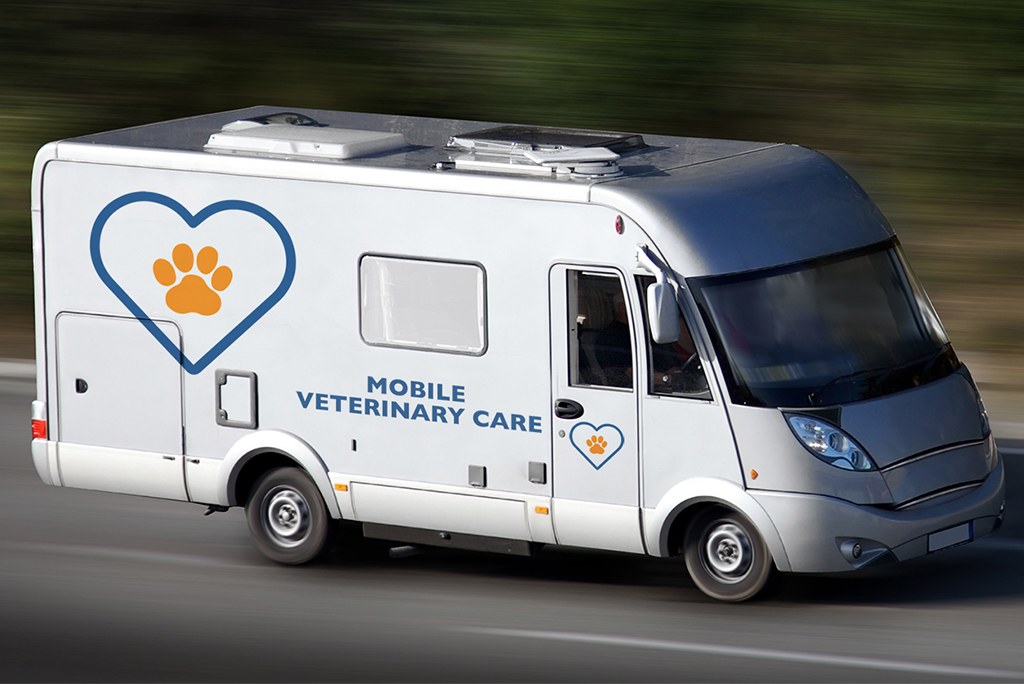
Mobile veterinary units change how you reach care for your animals. You may live far from a clinic or lack transport. You may work long hours and miss open times. These units bring the veterinarian to you. They cut travel, waiting, and stress for both you and your animal. They reach farms, shelters, and homes that standard clinics often skip. In many rural and low income neighborhoods, a visit from a mobile team is the only contact with a licensed professional all year. For a veterinarian in Surrey or in any other region, a mobile unit can mean earlier treatment, clearer follow up, and stronger trust with you. This blog explains how mobile units improve access, what services they offer, and what limits they face. It also shares what you can expect when a mobile clinic parks near your home.
How Mobile Veterinary Units Improve Access
You face real barriers when you try to get care for your animals. Mobile units remove many of those barriers in direct ways.
- Distance. You may live many miles from the nearest clinic. A mobile unit cuts that gap and comes to your road or town center.
- Transport. You may not have a car or a trailer. A mobile visit removes the need to move a heavy crate or a large animal.
- Time. You may juggle work, school, and care duties. A planned stop in your neighborhood cuts time away from jobs and family.
Research from public health agencies shows that travel time and cost often stop families from seeking care for animals until a crisis hits. Early care is cheaper and less painful for you and for your animals. Mobile units push care closer to your daily life so you can act sooner.
You can read more about access barriers and rural health patterns in data from the USDA Economic Research Service. These same patterns touch animal care, because your budget, transport, and time do not separate people from pets or livestock.
What Services Mobile Units Usually Provide
Most mobile veterinary units focus on high impact services that protect health for many animals at once. You often see three main types of care.
- Core vaccines for dogs, cats, and livestock
- Basic exams and health checks
- Spay and neuter surgeries
Some units also offer:
- Microchipping
- Simple lab tests such as heartworm checks
- Flea and tick control
- End of life support in the home
Mobile teams carry less equipment than a large clinic. You still get strong care for common needs. For serious surgery or complex disease, the team will guide you toward a full service clinic or hospital.
Mobile Units Compared With Fixed Clinics
You may wonder how mobile units differ from the clinic you know. The table below gives a simple side by side view.
Comparison of Mobile Veterinary Units and Fixed Clinics
| Feature | Mobile Veterinary Unit | Fixed Clinic |
|---|---|---|
| Travel for you | Low. Unit comes close to your home or farm. | High. You must travel to the clinic. |
| Range of services | Focused. Routine care and minor issues. | Wide. Routine and complex care. |
| Equipment | Limited. Space is tight in a vehicle. | Broad. More machines and tools. |
| Cost per visit | Often lower for basic services. | Often higher but with more options. |
| Reach to remote homes | High. Designed to reach under served spots. | Low. You must get to town. |
| Comfort for nervous animals | High. Short trips or care at home. | Lower. Strange smells and long waits. |
This comparison shows a clear pattern. Mobile units shine in access and comfort. Fixed clinics shine in depth of treatment. You often need both over the life of your animals.
Benefits For Different Types Of Families
Mobile units help many kinds of households. Your story may match one of these groups.
- Rural families. Long roads and fuel costs can stop you from seeking care. A mobile visit cuts both.
- Low income households. You may choose between rent, food, and pet care. Mobile units often offer low cost vaccines and spay or neuter that keep future costs down.
- Older adults or people with mobility limits. Leaving home may be hard or painful. A mobile team can meet you near your door.
- Farmers and ranchers. Loading livestock takes time and labor. On site visits save both and reduce injury risk.
These gains support public health as well. Vaccinated pets reduce the spread of diseases that can affect people. The Centers for Disease Control and Prevention explains how animal vaccines protect human health in its rabies prevention guidance. Mobile units help close gaps in that protection when clinic access is weak.
Limits And Challenges Of Mobile Care
Mobile units offer strong access. They still cannot replace every part of a full clinic.
- Complex surgery. Many mobile vehicles cannot support long or high risk operations.
- Advanced imaging. Large machines such as CT or MRI do not fit on a truck.
- Emergency care. In life threatening events you often need a 24 hour hospital.
- Weather and roads. Storms, floods, or rough roads can cancel visits.
You still gain from knowing these limits. You can plan ahead. You can keep a list of clinics and emergency hospitals along with your local mobile service schedule. You can ask your mobile team how they handle referrals and records so care stays connected.
How To Use Mobile Veterinary Services Well
You can take three simple steps to get the most from a mobile visit.
- Prepare your questions. Write down concerns about food, behavior, and past issues. Short visits move fast.
- Gather records. Keep vaccine cards, past test results, and medicine lists in one folder.
- Plan safe handling. Have a leash, carrier, or pen ready. This protects your animal, staff, and neighbors.
You can also share your schedule limits and transport needs with the team. Clear talk helps them plan routes that reach more homes like yours.
Why Mobile Units Matter For You
Access to care should not depend on your zip code, income, or car keys. Mobile veterinary units move care closer to your daily life. They offer a path to early treatment, lower long term costs, and less stress for your animals. They also support safer communities through disease control.
When you see a mobile clinic in your town, you see more than a truck. You see a direct way to protect your animals and your household. You have the right to ask questions, set up visits, and expect clear guidance. With each stop, these units help close the gap between those who can reach care and those who cannot.
