

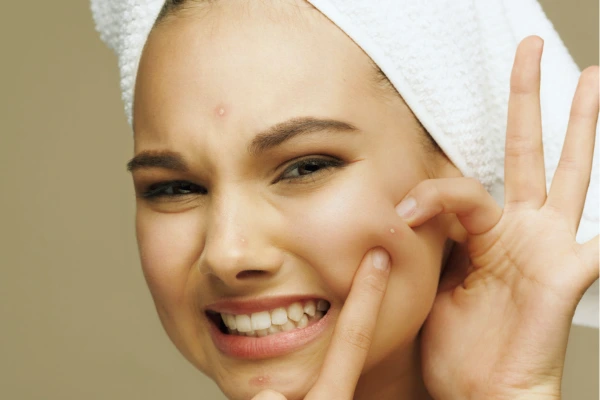
Acne can affect anyone, and while it often begins during the teenage years, many adults continue to deal with breakouts well into their thirties and beyond. What makes acne especially challenging is how unpredictable it can be. For some people, it appears during hormonal changes, while others experience flare-ups from lifestyle factors, stress, or genetics. Regardless of where it starts, acne can impact confidence and overall skin health when left unmanaged.
A holistic approach often works best. This includes proper evaluation, professional treatment, and consistent daily care. With skincare options becoming more advanced and accessible, many individuals seek acne treatment Singapore clinics provide to regain smooth and healthy skin. Understanding what causes acne remains a key step in finding the right treatment path.
How Dermatologists Identify Various Forms of Acne
Different types of acne behave differently, which is why accurate diagnosis is essential. Dermatologists evaluate whether breakouts fall under non-inflammatory or inflammatory categories. Non-inflammatory acne includes whiteheads and blackheads, which form when pores become blocked with oil and dead skin. These are generally easier to manage with topical treatments.
Inflammatory acne, on the other hand, involves deeper swelling and redness. Papules, pustules, nodules, and cysts fall into this group. These forms often require prescription-strength products or in-clinic procedures. Dermatologists also take note of acne distribution, frequency, and severity to understand whether hormones, lifestyle habits, or underlying medical conditions might be contributing factors.
By clearly identifying the type of acne a patient has, doctors can recommend strategies that target the root issue rather than just the visible symptoms.
Why Acne Develops and How Treatment Approaches Target Its Causes
Acne generally develops when pores become clogged, bacteria multiply, or hormones influence oil production. A dermatologist considers all these factors while crafting a treatment plan. Some individuals experience breakouts due to increased sebum output, which can happen during puberty, pregnancy, or stress. Others may have naturally sensitive skin that becomes irritated and inflamed more easily.
Here are common causes of acne:
- Excess oil production that clogs pores
- Hormonal fluctuations that trigger breakouts
Using targeted solutions such as medicated creams, oral medications, and professional procedures helps reduce these triggers. Dermatologists often combine treatments to deliver better results, especially for persistent or recurring acne.
Everyday Triggers That Make Acne Worse
Even when the main cause of acne is identified, flare-ups can still happen due to everyday factors. Weather changes can affect oil balance, especially when humidity is high. Diet may also influence breakouts, particularly for individuals sensitive to sugary or dairy-heavy foods. Stress is another common factor that increases inflammation in the body, sometimes making acne more difficult to control.
Using the wrong skincare products can also worsen breakouts. Heavy moisturizers, overly fragrant cleansers, or harsh exfoliators may irritate the skin barrier. Dermatologists often guide patients in selecting products that suit their specific skin type to prevent unnecessary aggravation.
How Dermatologists Personalise Acne Treatments
A dermatologist evaluates not just the type of acne but also the patient’s lifestyle and routine. They may examine how often a patient exercises, what skincare products they use, and how their skin reacts to sun exposure. By understanding these details, a personalised treatment plan becomes more achievable.
Treatment may involve a combination of topical medications to reduce bacteria, oral medications for inflammation, or chemical exfoliants to clear clogged pores. Dermatologists may also adjust the treatment plan over time based on how the skin responds, ensuring it stays effective while minimizing irritation.
Advanced Clinic Procedures That Support Clearer Skin
Modern clinics offer a wide range of treatments that support acne reduction beyond at-home care. Chemical peels remove the upper layer of dead skin, which helps unclog pores and fade mild marks left by breakouts. Light and laser therapies can target bacteria beneath the skin’s surface, reducing inflammation and preventing new pimples from forming.
Extraction treatments, performed by trained professionals, safely remove deep impurities that would otherwise cause persistent bumps. Some patients benefit from combination therapies, where two or more treatments are used together for a more comprehensive approach to clearing acne.
Restoring Smoothness by Managing Acne Scarring
Acne can leave behind scars even after breakouts have healed. These can appear as shallow depressions, deeper pits, or dark marks known as post-inflammatory hyperpigmentation. Treating these concerns requires specialised techniques that encourage skin renewal and collagen growth.
Microneedling stimulates natural collagen production, helping improve texture. Laser procedures can resurface the skin to smooth uneven areas, while topical treatments lighten discoloration over time. These methods work best when the underlying acne is already managed, so dermatologists usually stabilize breakouts before addressing scars.
Daily Practices That Help Maintain Clear Skin
Long-term management plays a major role in preventing new breakouts. A gentle skincare routine helps reduce irritation and supports healing. Many dermatologists advise using non-comedogenic products that do not clog pores, along with sunscreen to protect the skin from UV-induced inflammation.
Other helpful habits include:
- Washing pillowcases regularly to avoid oil buildup
- Avoiding touching the face unnecessarily
Consistency is key. Even simple improvements can make noticeable differences when maintained over time.
Taking Control of Skin Health Through Expert Guidance
Acne does not disappear overnight, and it often requires time, patience, and expert monitoring. When guided by a dermatologist, patients learn which treatments work best for their skin type and how to avoid habits that worsen breakouts. Combining professional care with responsible daily practices can lead to clearer, healthier skin in the long run.
Commonly Asked Questions
Can acne be treated permanently?
While acne cannot always be cured permanently, it can be effectively controlled with the right combination of treatments and long-term skincare habits.
Do diet choices influence acne?
Certain foods may worsen breakouts for some people, especially sugary or highly processed items, but this varies from person to person.
When should someone see a dermatologist?
If breakouts are persistent, painful, or leaving scars, it is best to seek professional help early to prevent worsening skin conditions.
Are natural remedies effective for acne?
Some herbal ingredients may soothe inflammation, but they generally cannot replace clinically proven treatments for moderate or severe acne.
Why do breakouts reappear even after treatment?
Acne can return due to hormonal shifts, stress, environmental triggers, or inconsistent skincare routines.
Next Steps
If you experience recurring acne or have noticed that over-the-counter products are not helping, consider scheduling a consultation with a skincare professional. A personalised plan can provide clarity, reduce frustration, and help restore balance to your skin.
