

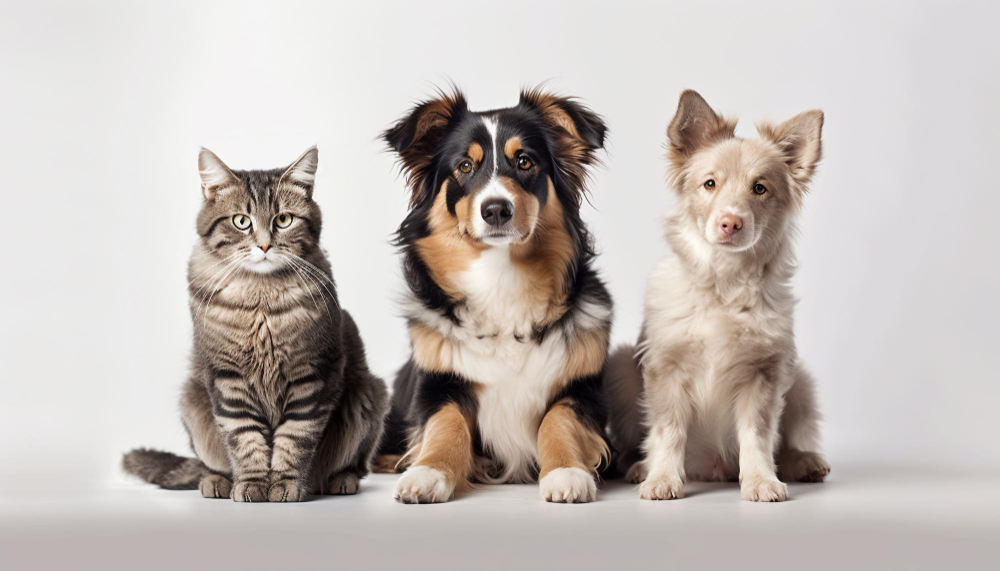
Choosing between these two beloved companions largely hinges on specific training goals. If the focus centers on obedience and responsiveness, canines often excel in structured environments. Breeds such as Labrador Retrievers and Border Collies shine in basic commands and tricks, showing remarkable eagerness to please their humans.
Felines, on the other hand, showcase distinct behaviors and learning styles. They typically respond well to clicker training and food rewards but may require more patience due to their independent nature. Techniques such as targeting and playtime can yield positive results, especially for breeds known for their social tendencies like Siamese or Abyssinian.
Understanding animal behavior is key. Canines thrive on routine and social bonding, making consistent training sessions essential. For felines, a relaxed atmosphere and gentle encouragement work wonders. Integrating tasks into play can capture their attention more effectively than traditional commands.
Comparing Training Capabilities: Felines vs. Canines
Canines often exhibit faster learning rates due to their inherent desire to please humans. Their social structure fosters a natural understanding of commands and obedience. This results in effective communication between owner and pet.
Strengths of Canines
- Positive Reinforcement: Dogs generally respond well to rewards like treats and praise. This approach can be highly beneficial in teaching new behaviors.
- Pack Mentality: Canines thrive in environments where they feel part of a group, making them more inclined to follow instructions.
- Consistency: Routine training sessions yield better compliance, leading to successful command mastery.
Challenges with Felines
- Independence: Cats possess a more solitary nature, often resulting in a decreased willingness to respond to commands.
- Short Attention Spans: Training sessions with felines may require shorter durations to maintain focus.
- Motivation: Identifying effective rewards–such as favorite toys or treats–can be crucial for engaging their attention.
As a result, for those seeking a devoted companion capable of following commands effectively, choosing a canine may be a more straightforward path. For further insights into canine behavior and training, visit Dog World. Alternatively, for tips on adapting training approaches for felines, refer to Haustiereleben.
Understanding the Trainability of Dogs in Various Environments
Behavioral adaptability in various settings plays a significant role in the development of canines. Dogs tend to thrive in environments that provide structure and clarity. For instance, a quiet space with minimal distractions can enhance focus during learning sessions. Training success in such environments is often higher compared to areas with excessive noise or activity.
Home Setting
The household is a foundational location for skill acquisition. Engaging in routine exercises, such as leash etiquette and basic commands, benefits from familiarity. Consistency within family routines reinforces positive behaviors. Limitations during training should be noted; distractions from other pets or household activities can hinder progress.
Public Spaces
Outdoor environments present unique challenges. Social interactions with strangers and other animals can distract canines. Introducing training in these settings while gradually increasing complexity can yield better adaptability. It’s recommended to initiate training at quieter times, gradually integrating more bustling moments to help dogs acclimate to varied stimuli. Incorporating play as a reward in both calm and dynamic surroundings increases motivation and reinforces desirable habits.
By recognizing how different places impact the learning abilities of canines, handlers can implement targeted strategies that cater to individual needs, maximizing overall success. Regular assessment of the environment’s influence is crucial for continued growth and development. Investing time in creating an optimal atmosphere fosters long-term behavioral improvements and strengthens the bond between handler and animal.
Exploring Behavioral Traits of Cats that Affect Training
Understanding behaviors can significantly streamline the process of shaping responses in felines. Felines possess a distinct set of characteristics influencing their receptiveness to commands. Unlike their canine counterparts, cats are naturally more independent. This autonomy often results in selective compliance to learned behaviors based on their perceived benefits.
Playfulness
Felines exhibit a strong affinity for play. Utilizing toys as rewards during sessions can motivate them to engage actively. Incorporating interactive toys that mimic prey can enhance the connection between playtime and learning. By capitalizing on this instinctual behavior, sessions become more enjoyable and productive.
Sensory Sensitivity
Felines are highly sensitive to their surroundings. Distractions from noise or unfamiliar scents can hinder focus. To counteract this, select quiet environments for practice. Keeping the space calm and free of disturbances aids concentration, promoting a more favorable atmosphere for instruction.
For insights on feline care and training methodologies, consider visiting Johnny Kitten.
Comparing Training Techniques for Optimal Results with Each Species
Utilizing positive reinforcement yields significant success across both animal types. For canines, employing treats, praise, and play during learning phases builds motivation. For felines, utilizing favorite toys or snacks as rewards can effectively enhance engagement. Timing rewards immediately following desired behavior increases the likelihood of repetition.
Clarity in commands plays a crucial role. Clear, consistent cues for each species streamline the learning process. Canines benefit from verbal commands paired with hand signals, whereas felines respond well to visual prompts, often requiring patience in connection to specific actions.
Incorporating short, frequent training sessions proves effective, particularly with the more independent nature of felines. Sticking to 5-10 minute intervals prevents frustration and enhances focus. On the contrary, canines may thrive on longer, energetic sessions, especially when utilizing play as a reward.
Environmental factors also impact training dynamics. Canines exhibit improved learning in structured settings, such as quiet rooms or controlled outdoor spaces. In contrast, felines may benefit from a distraction-free environment to encourage concentration, allowing tailored spaces for specific lessons.
Socialization remains integral, especially for canines. Introducing them to diverse scenarios and experiences fosters adaptability in training. For felines, gradual exposure to new environments alongside positive experiences builds confidence, creating a conducive atmosphere for learning.
Understanding individual personalities allows for customized techniques. Assessing each animal’s unique traits enhances the approach, leading to more successful results. Both species have unique strengths and respond differently to various methods, making tailored strategies essential for achieving optimal learning outcomes.
[/rand]
