

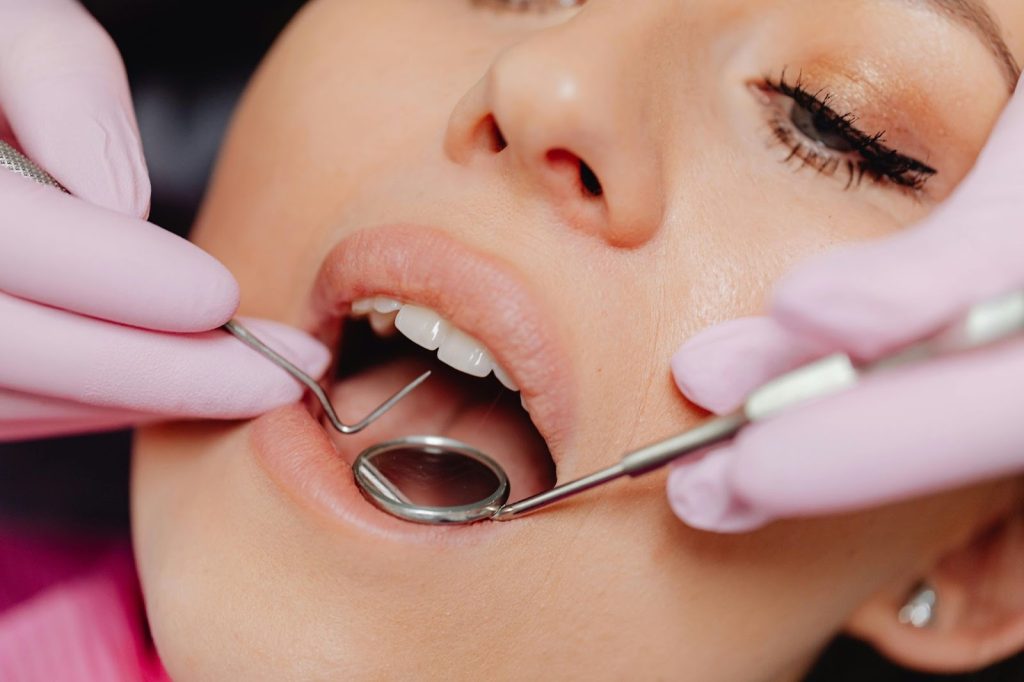
Wisdom teeth are the final set of molars that crop up in the back of the mouth, and they usually start trying to make an appearance between 17 and 25 years old. Now, for some people, they just pop on in without any issues, but for the majority, it’s a different story – with limited jaw space, complications develop for a lot of people.
In practice, you might need to get your wisdom teeth removed if that’s what happens. The goal of this procedure is to keep your overall oral health intact and prevent the really big problems from showing up.
That’s why knowing the warning signs and identifying the symptoms of impacted wisdom teeth is super important. It’s key in figuring out when it’s time to seek out a dentist or oral surgeon. With this in mind, note that getting a consultation can help you address the issue before it leads to an infection that can damage the surrounding teeth or result in long-term discomfort.
Getting to the Bottom of Wisdom Teeth & Why They Cause Issues
Wisdom teeth are also known as third molars. They used to be really useful back in the day (btw, eating raw meat and roots isn’t as common as it used to be!), but with our modern diets and smaller jawbones, we just don’t have enough room for these extra teeth.
So, what happens when a wisdom tooth tries to come through is that it can either grow in sideways, get jammed under the gums or get stuck all the way in the jawbone. This is called impaction, and it’s a major reason many dentists recommend “wisdom teeth removal”.
The reality is that impacted teeth can start pushing against your other teeth and making little pockets where bacteria can collect, and if that isn’t treated, it can lead to gum disease or infections.
Common Symptoms of Impacted Wisdom Teeth
Getting to impacted wisdom teeth symptoms early can really help prevent any major complications. Some people might just experience a bit of discomfort, but others will develop more obvious signs that the teeth aren’t coming in properly.
Some of the symptoms of impacted wisdom teeth are:
1) Ongoing Pain in The Back of Your Mouth
Pain near the back of your molars is usually the first sign that something is going on with your wisdom teeth. This discomfort can start with a slight twinge. But as the tooth starts pressing against your other teeth, it can become more intense.
If this pain becomes chronic or starts disrupting your daily routine (like eating or speaking), it’s time to get a consultation with an oral surgeon.
2) Swollen or Bleeding Gums
Wisdom teeth are likely to cause problems, such as swollen or tender gums around the back of the mouth. This is because they can create tiny pockets in the gum where food & bacteria build up when they come in at an angle.
Often, that’s a recipe for swelling, redness, and even bleeding when you brush or floss – not a pleasant experience. And if you don’t get these problems sorted, they can get a lot worse and lead to infections that only a dentist can treat. So, if you’re from Boca Raton, you’re probably thinking “Wisdom teeth removal Boca Raton” right now.
3) Difficulty Opening the Mouth
Impacted wisdom teeth can also cause some pretty nasty jaw stiffness. And this can make it a real pain to open your mouth wide or even masticate properly.
All this inflammation can then spread to the muscles and tissues around the impacted tooth. And before you know it, you’re left with discomfort that’s only going to get worse with time if you ignore it.
4) Bad Breath or Unpleasant Taste
Wisdom teeth often cause nasty mouth breath because they provide a lovely place for bacteria to hide. Even if you clean your teeth like a pro, you might still find out that you get bad breath that just won’t shift.
For instance, if you’re brushing and flossing and still getting bad breath, that’s a pretty clear sign that you’ve got an underlying problem that a dentist needs to attend to.
5) Frequent Infections
If your gums around your wisdom teeth keep getting infected, that’s a pretty clear sign that you should consider removing them. These infections can cause all sorts of problems in the gum tissue around the back of the mouth.
And if you just leave it, the infection can spread to other areas of your mouth, so getting it sorted early is the best option.
The Importance of Seeing an Oral Surgeon
Dentists often say it’s best to get an oral surgeon in to have a look at your wisdom teeth if they think they’re going to be a problem. Oral & maxillofacial surgeons are the experts in teeth, jaw & facial structures.
Note that during a consultation with them, they’ll usually:
- Go over your medical & dental history with you\
- Take some X-rays or scans to get a good view of the wisdom teeth\
- Get a close look at the position of your wisdom teeth\
- Tell you what treatment you need.
If a surgeon thinks your wisdom teeth are likely to be a problem, they might suggest removing them as a safer option.
What Happens During Wisdom Teeth Removal
Wisdom teeth removal is one of the most common oral surgery procedures out there. And guess what? It’s typically wrapped up in a single visit to the outpatient clinic.
Now, depending on just how complicated things are, the surgeon might choose to use local anaesthetic, IV sedation or even a general anaesthetic to make sure you’re nice and comfortable throughout the whole thing. Often, during the procedure, the surgeon will actually take the time to carefully remove the tooth and show the area that requires careful cleaning to prevent infection from worsening.
To this end, some patients in Boca Raton may be seeking medical attention by typing this query “tooth extraction Boca Raton” on the Google search bar. And you know what? That’s completely understandable. What’s interesting about procedures like this is that only highly experienced oral surgeons (with the requisite skills and expertise) carry them out. They do this to handle even the trickiest extractions with complete safety.
Recovery After Wisdom Teeth Removal
Most people discover that they can recover pretty quickly from wisdom teeth removal. A bit of swelling, some soreness and limited jaw movement over the first few days – but all of those symptoms should start to fade pretty fast.
To make sure everything heals properly, you’ll usually be advised to:
- Get some rest for the first 24 hours after surgery
- Grab an ice pack or two to help bring down that swelling
- Stick to soft foods like yoghurt, soup or mashed potatoes for a while
- Avoid smoking and drinking through a straw – trust us, your mouth will thank you
- Follow all of the after-care instructions that the surgeon has given you
A few days late,r and you’ll probably be back to normal routines.
Addressing Other Oral Health Issues
When you swing by the oral surgery office for a consultation, you might also pick up some valuable knowledge about other treatments that can really help to improve your long-term dental health. For instance, if you’ve already lost some teeth, you might find yourself exploring options like dental implants in Boca Raton, which are basically a super realistic and long-lasting solution for missing teeth.
Of course, some oral surgeons are also pretty good at spotting airway-related problems that might be linked to sleep issues or breathing problems. If you find yourself experiencing problems sleeping or feeling a bit gassy while you’re out there, you might want to consider consulting a sleep apnea doctor in Boca Raton. That way, you can get a proper diagnosis and find out if your oral or jaw health is playing a part.
When to Seek Professional Help
Not everyone has wisdom teeth problems, but sometimes issues can pop up that need to be addressed right away. Pain, swelling, bad breath or difficulty opening your mouth – if you’re experiencing any of these symptoms, you might have impacted wisdom teeth that are just waiting to give you some real bother.
Scheduling a consultation with an oral surgeon can be a real lifesaver – they can take a gander at what’s going on and determine if wisdom teeth removal is the right course of action for you. And if you do end up needing to get them removed, doing it sooner rather than later can help prevent all sorts of complications, protect your other teeth and keep your long-term oral health in top nick.
If you notice any of these warning signs, just remember that it’s never too late to get in touch with a pro and stop any potential problems in their tracks.
