

There's something particularly frustrating about pain at the back of your mouth. It's difficult to see where it's coming from, chewing becomes uncomfortable, and every time your jaw aches, the same thought comes to mind: Is it my wisdom tooth?
It's a reasonable guess, especially for teenagers and young adults. But here's something many people don't realize: pain near a wisdom tooth doesn't necessarily mean the wisdom tooth is responsible.
Several dental conditions, and even problems outside the mouth, can produce similar symptoms.
Understanding the possible causes can help you recognize when something needs attention and why a proper dental examination matters more than guessing.
Why Is Pain at the Back of Your Mouth So Difficult to Identify?
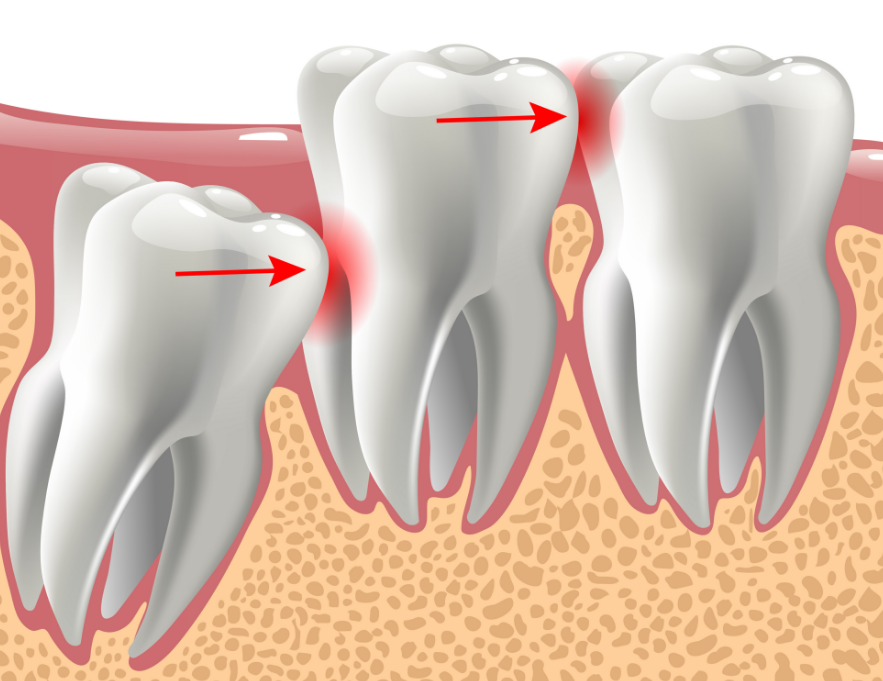
The back of the mouth is a crowded area. Wisdom teeth sit immediately behind the second molars, surrounded by gum tissue, jaw muscles, and other structures.
When something becomes irritated, it isn't always easy to identify exactly where the discomfort begins.
A person might feel pain near the last visible tooth, even when the problem involves the tooth beside it. Jaw muscle tension can also create discomfort that feels surprisingly similar to a toothache.
That's why dentists consider several possibilities before recommending treatment.
6 Possible Causes of Pain Behind Your Back Teeth
1. A Wisdom Tooth Coming Through the Gums
Wisdom teeth, also called third molars, generally develop during the late teenage years and early adulthood.
As a tooth begins emerging through the gums, the surrounding tissue may feel tender or irritated.
Sometimes, the tooth has enough room to emerge normally. Other times, limited space prevents it from reaching a comfortable position.
An impacted wisdom tooth may remain partly or completely beneath the gum or bone.
However, an impacted tooth doesn't automatically need to be removed. Some remain healthy and can be monitored through regular dental examinations.
Persistent pain, repeated swelling, or difficulty cleaning the area warrants professional assessment.
2. Inflamed Gum Tissue Around a Partially Erupted Tooth
Imagine a wisdom tooth that has only partly emerged, leaving a small flap of gum covering part of its surface.
Food particles and bacteria can become trapped beneath that tissue, making the area difficult to clean.
This can lead to a condition called pericoronitis, involving inflammation and sometimes infection around the partially erupted tooth.
Common symptoms may include:
- Redness or swelling behind the last molar
- Tenderness when chewing
- An unpleasant taste or odor
- Difficulty opening the mouth comfortably
Mild irritation and a significant infection can initially feel similar, so recurring or worsening symptoms shouldn't be ignored.
Treatment depends on the examination findings. Some cases can be managed without extraction, while repeated problems may lead to a discussion about removing the tooth.
3. A Cavity in the Second Molar
Here's a possibility that's easy to overlook: the wisdom tooth may be perfectly fine, but the tooth immediately in front of it isn't.
Second molars do a considerable amount of chewing, and their position makes thorough cleaning particularly important.
When plaque collects between the second and third molars, decay can develop in areas that are difficult to see.
Possible warning signs include sensitivity to sweet foods, discomfort with hot or cold drinks, or pain while chewing.
Unlike temporary gum irritation, tooth decay doesn't disappear simply because the discomfort improves.
A dentist can examine the area and use appropriate X-rays to identify problems that aren't visible during a routine inspection.
4. A Cracked Tooth or Damaged Filling
Does the pain appear when biting into something firm, then disappear when the pressure is released?
A cracked tooth or damaged filling could be responsible.
Small cracks aren't always visible without a dental examination, and the symptoms can vary considerably.
Some people experience sharp, intermittent pain. Others notice sensitivity to temperature changes or discomfort when chewing on one side.
Because these symptoms overlap with wisdom tooth problems, identifying the correct tooth is essential before deciding on treatment.
5. Teeth Grinding or Jaw Joint Problems
Not all pain near the back teeth begins inside a tooth.
Bruxism, the habit of grinding or clenching teeth, can strain the muscles responsible for chewing.
Problems affecting the temporomandibular joint (TMJ), which connects the jaw to the skull, can also produce discomfort around the jaw and ear.
Possible clues include morning jaw soreness, headaches around the temples, or pain that becomes more noticeable during chewing.
Some people also experience clicking or popping when moving their jaw, although painless joint sounds alone aren't necessarily a sign of disease.
Treatment for jaw-related discomfort differs from treatment for an infected or damaged tooth, making accurate diagnosis particularly important.
6. Sinus Pressure Affecting the Upper Back Teeth
This one may come as a surprise.
The roots of the upper back teeth are located close to the maxillary sinuses, the air-filled spaces behind the cheeks.
When these sinuses become inflamed, discomfort can sometimes be felt in nearby teeth.
Sinus-related tooth pain may occur alongside nasal congestion, facial pressure, or discomfort that changes when bending forward.
However, dental infections can also affect the nearby sinus area.
For that reason, persistent upper molar pain should be assessed rather than automatically attributed to a cold or sinus infection.
How Can You Tell Whether Wisdom Teeth Are Actually the Problem?
Symptoms offer useful clues, but they rarely provide a definitive answer.
A dentist typically considers the location of the discomfort, its duration, and what makes it worse.
For example, recurring swelling behind a partially erupted wisdom tooth may suggest gum inflammation, while sharp pain during biting could raise suspicion of a cracked molar.
Dental X-rays can reveal the position of wisdom teeth and help identify decay, impaction, or changes affecting neighboring structures.
If a wisdom tooth is contributing to disease or repeated problems, extraction may be discussed.
Patients who want to understand the decision-making process can explore Family Dental Care Cayuga's guide to wisdom teeth removal, which explains when extraction may be appropriate, how treatment works, and what recovery involves.
The important distinction is that an examination determines the treatment plan, not the presence of a wisdom tooth alone.
When Should Back-of-Mouth Pain Be Taken Seriously?
Occasional discomfort doesn't always indicate an emergency, but certain symptoms require prompt attention.
Arrange a dental assessment if pain persists, repeatedly returns, interferes with eating, or is accompanied by swollen gums.
More concerning symptoms include:
- Increasing facial or jaw swelling
- Fever alongside dental pain
- Difficulty opening the mouth
- Pus or persistent unpleasant drainage
- Severe pain that doesn't improve with appropriate pain relief
Spreading facial swelling or fever with a suspected dental infection requires urgent assessment. Difficulty breathing or swallowing, or swelling threatening the airway, requires immediate emergency medical care.
Waiting for severe symptoms to disappear can allow an underlying problem to progress.
What Happens During a Dental Examination?
A dental appointment for back-of-mouth pain usually begins with a discussion of the symptoms.
The dentist may ask when the discomfort began, whether it comes and goes, and if chewing or temperature changes trigger it.
The examination can involve checking the teeth and surrounding gums, assessing the jaw, and reviewing X-rays when appropriate.
For wisdom teeth, the dentist considers factors such as eruption, available space, gum health, the condition of neighboring teeth, and whether the area can be cleaned effectively.
A healthy, functional wisdom tooth may simply need continued monitoring.
When treatment is necessary, the dentist can explain the available options and whether specialist care is appropriate.
Can Better Daily Habits Help Prevent These Problems?
Although wisdom tooth development can't be controlled through daily habits, good oral hygiene can reduce several common causes of discomfort.
Brushing twice daily with fluoride toothpaste and cleaning between the teeth helps limit plaque buildup.
Paying particular attention to the back molars is worthwhile because these areas can be difficult to reach.
Regular dental examinations also help identify changes before they become painful.
For additional advice about preventive care, common dental symptoms, and treatment options, Family Dental Care Cayuga maintains a dental care blog with educational resources for patients and families.
Learning to recognize oral health concerns can make conversations with a dentist more productive.
Don't Assume Every Back Toothache Is a Wisdom Tooth Problem
When pain develops at the back of the mouth, wisdom teeth often get the blame first.
Sometimes they're responsible. Other times, the cause may be decay in a neighboring molar, inflamed gums, a cracked tooth, jaw muscle tension, or sinus-related discomfort.
The safest approach is to avoid making assumptions based on symptoms alone.
Family Dental Care Cayuga provides dental assessments for patients in Cayuga and surrounding Haldimand County communities, helping individuals understand their symptoms and available treatment options.
Identifying the actual cause is the first step toward choosing appropriate care and protecting long-term oral health.
