

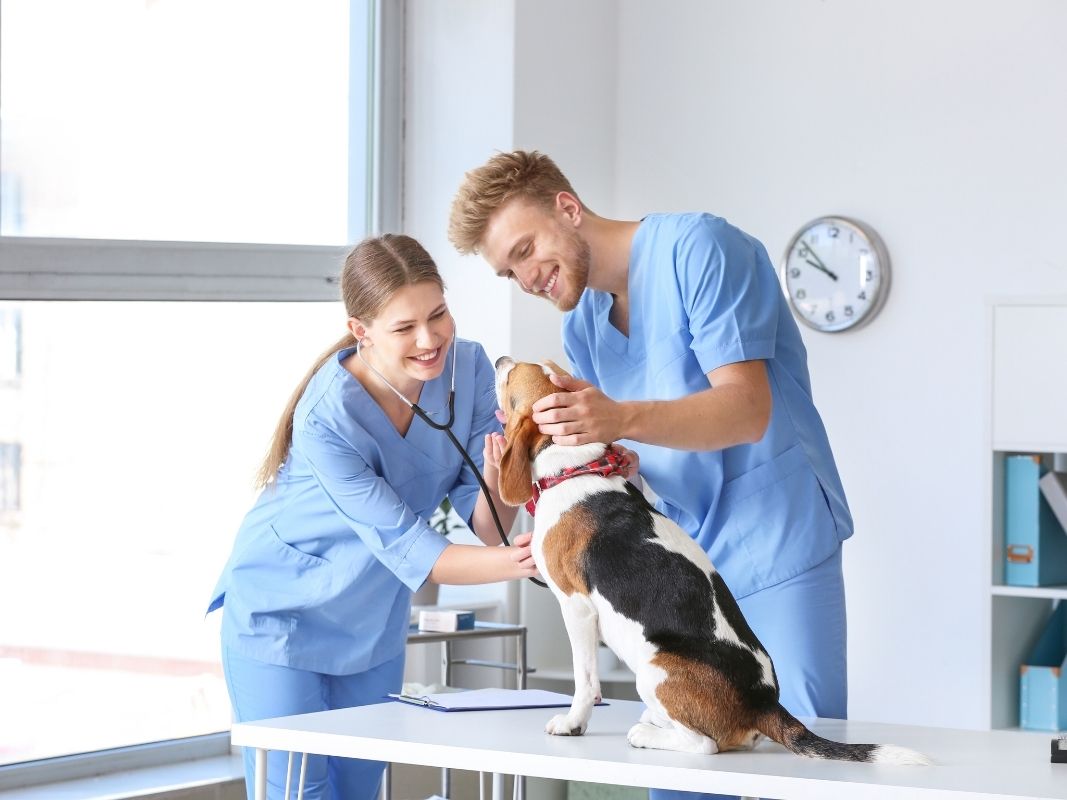
You want your pet to live a long, steady life. That starts with a general veterinarian you can trust. A general vet is your first call when something feels wrong. This same person also guides you through routine care, behavior concerns, and aging changes. Many people wait until a crisis hits. That delay can lead to pain, fear, and high costs. A strong relationship with a general vet prevents many emergencies. It also helps you act early when small changes show up. If you already see a veterinarian in Markham, you may know the relief that comes with fast answers. This blog explains three essential services general veterinarians provide. You will see how each service protects your pet’s health and your peace of mind. You will also learn what to expect at each visit, so you feel prepared, calm, and in control.
1. Routine checkups and vaccines
Routine visits keep small problems from turning into emergencies. These visits also give your vet a clear picture of your pet’s normal body and behavior. Then any change stands out fast.
At a routine checkup, your vet usually will
- Ask about eating, drinking, bathroom habits, and activity
- Check weight and body condition
- Listen to the heart and lungs
- Look at eyes, ears, teeth, and skin
- Feel the belly and limbs
Next, your vet reviews vaccines and parasite prevention. These protect your pet from hard diseases that spread in homes, parks, and yards. You can learn more about core dog and cat vaccines from the Centers for Disease Control and Prevention.
Key vaccine and prevention goals include
- Rabies protection
- Distemper and parvo in dogs
- Panleukopenia and respiratory disease in cats
- Flea, tick, and heartworm prevention based on your region
Routine care also gives you space to ask hard questions. You can talk about kids in the home, rough play, biting, or litter box trouble. Your vet can suggest simple steps that protect both your pet and your family.
2. Early detection through testing
You see your pet every day. You may not spot slow changes. Your vet uses tests to find silent disease before it causes clear signs.
Common tests at a general clinic include
- Blood work to check organs, blood cells, and blood sugar
- Urine tests to check kidneys and bladder
- Fecal tests to look for worms and other parasites
- Heartworm tests for dogs
Early detection matters for three main reasons.
- Treatment often works better when the disease is mild.
- Costs are often lower when you treat early.
- Your pet avoids long pain and slow decline.
As pets age, your vet may suggest more frequent testing. The American Veterinary Medical Association explains that senior pets often need checkups every six months. This pattern helps catch issues like kidney disease, arthritis, and thyroid problems before they cause severe pain or weight loss.
Here is a simple guide to how checkups and tests can change with age.
| Life stage | Typical visit frequency | Key focus |
|---|---|---|
| Puppy or kitten | Every 3 to 4 weeks until vaccine series is finished | Vaccines, deworming, growth checks, behavior guidance |
| Healthy adult | Once a year | Physical exam, vaccines, parasite prevention, weight checks |
| Senior pet | Every 6 months | Physical exam, blood and urine tests, pain checks, mobility support |
You and your vet can adjust this plan based on breed, size, and health history. Large dogs, flat-faced breeds, or pets with chronic conditions may need more visits. Honest talk with your vet helps set a schedule that fits your pet’s real risk.
3. Everyday treatment and pain relief
General veterinarians treat many common problems. You do not need a specialist for most day-to-day issues. You can start with your regular clinic and move to a specialist only when needed.
Common conditions treated by general vets include
- Ear infections and itchy skin
- Upset stomach, vomiting, or diarrhea
- Minor injuries and wounds
- Urinary infections
- Dental disease and tooth pain
- Arthritis and joint pain
General vets also handle routine surgery. These procedures often include spaying and neutering, lump removal, and basic dental cleaning with tooth removal. Each step aims to prevent long-term pain and reduce cancer and infection risk.
Pain control is a central part of this care. Your vet will
- Use safe medicine before and after surgery
- Teach you how to give pills or liquids at home
- Plan follow-up checks to track healing
For chronic pain like arthritis, your vet may use a mix of tools. These may include weight control, joint support diets, home changes like rugs on slick floors, and medicine that targets swelling and pain. Clear goals guide this care. Your pet should move, eat, and rest with comfort, not struggle in silence.
How to get the most from your general vet
These three services work best when you prepare for each visit. You can
- Write down questions and concerns before the appointment
- Bring a list of all medicines and supplements
- Share any change in appetite, thirst, or bathroom habits
- Use photos or short videos of strange behavior at home
Next, ask for clear next steps before you leave. You should know
- What the vet thinks is going on
- What tests or treatment come next
- When to call or come back
Your general veterinarian is not just for emergencies. This partner guards your pet’s health through routine care, early testing, and steady treatment. With regular visits and honest talk, you reduce surprises. You also give your pet a calm, steady path from youth through old age.
