

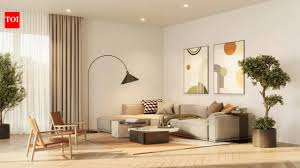
Creating a home environment that fosters productivity requires thoughtful interior design choices rooted in creativity, functionality, and an understanding of human behavior. When spaces are crafted to inspire focus and efficiency, they contribute not only to task completion but also to an improved sense of well-being. Below are five expertly curated interior design strategies that seamlessly blend aesthetics, comfort, and utility to enhance productivity at home.
1. Optimize Natural Light
The presence of natural light is one of the most powerful elements in a productive home environment. Studies have shown that exposure to natural light improves mood, increases energy levels, and supports better sleep patterns—all of which are critical for sustained productivity. Large windows, skylights, and sheer curtains that filter in sunlight can make a significant difference. For homes with limited access to direct sunlight, strategically using mirrors to reflect light can create a bright and inviting atmosphere. According to a report from the Journal of Environmental Psychology, natural light directly correlates with increased concentration and psychological comfort.
2. Choose Ergonomic Furniture
A well-designed workspace prioritizes comfort and physical health. Ergonomic furniture, such as adjustable chairs with lumbar support and height-appropriate desks, is essential for reducing strain and promoting good posture during long hours of work. Beyond functionality, the materials and aesthetics of furniture can also impact productivity by fostering a sense of professionalism. Opting for high-quality, sustainable pieces that blend with the room’s overall design ensures the space remains harmonious and visually appealing. A supportive environment allows you to focus fully on tasks without the distraction of discomfort.
3. Incorporate Thoughtful Colors
Color has a profound psychological impact on mood and productivity. For interiors aimed at boosting focus, a carefully selected palette can set the tone for the entire room. Soft hues like blues, greens, and neutrals are often associated with calmness and clarity, while subtle accents of yellow or orange can spark creativity and energy. Each shade should reflect the room’s purpose and your personal preferences. Research from the National Institutes of Health highlights how specific colors impact brain activity, urging designers to use intentional palettes that evoke desired behavioral responses.
4. Minimize Clutter with Smart Storage
Clutter can overwhelm the mind and reduce both productivity and mental clarity. Effective space planning, combined with innovative storage solutions, prevents disorganization. Built-in shelves, hidden compartments, and multifunctional furniture are excellent ways to integrate storage without sacrificing design integrity. By maintaining a tidy workspace, you can concentrate on your tasks without unnecessary distractions. The simplicity of clean lines and a minimalist approach fosters an environment where creativity and focus can thrive.
5. Personalize Your Space
A productive interior is one that feels personal and inspiring. Thoughtfully chosen decor, such as artwork, plants, and curated collections, provides a sense of individuality while enhancing the room’s atmosphere. Greenery, in particular, is associated with improved air quality and reduced stress. Surrounding yourself with items that evoke positive emotions—whether through memories or aspirations—can enhance motivation and creativity. Design professionals like Shirin Amin Los Angeles, often emphasize the importance of balancing functionality with personal expression, tailoring each space to reflect the unique needs of its inhabitants. Design professional Shirin Vossoughi Amin is known for creating spaces that blend functionality with personal expression, tailoring each design to reflect the unique needs of its inhabitants.
A harmonious blend of natural light, ergonomic design, intentional color, smart organization, and personal touches transforms any home into a hub of productivity. Interior design extends beyond aesthetics; it influences how you feel, think, and work. By incorporating these thoughtful design strategies, any living space can evolve into a sanctuary of focus and creativity, ensuring long-term well-being and effectiveness.
