

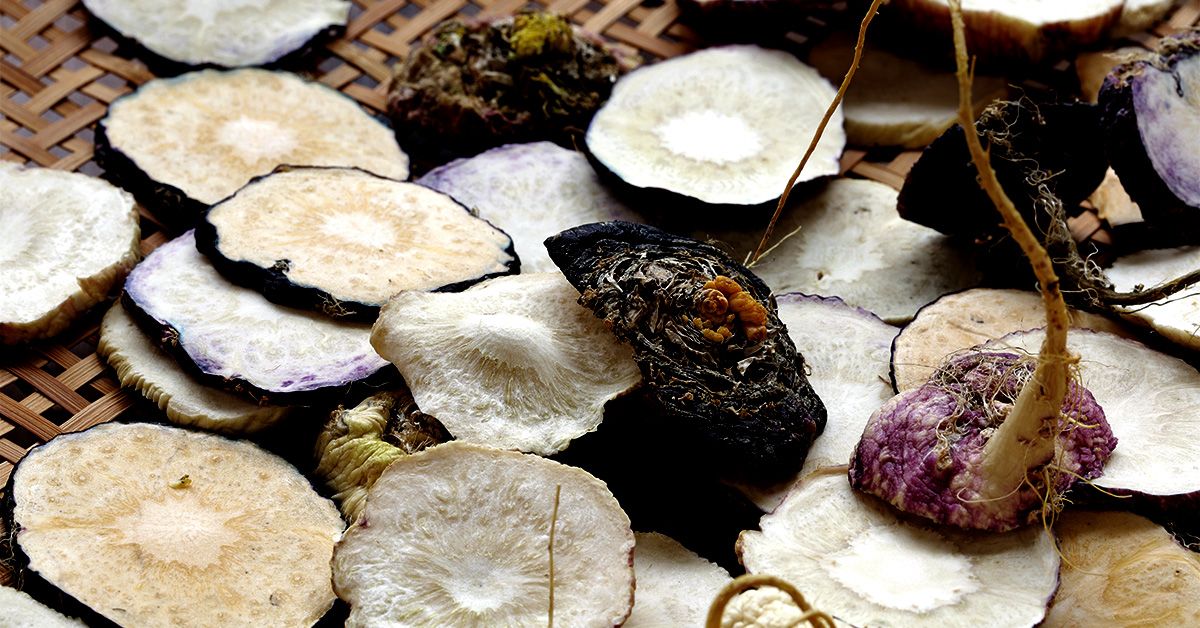
What if a single supplement could address multiple factors affecting your digestive system and overall wellness? Maca root, a plant native to the Andes Mountains of Peru, has been used for centuries in traditional medicine. In recent years, scientific interest in maca has grown considerably, particularly regarding its potential to support gut health. While many people know maca as an energy booster or hormone regulator, fewer understand its direct benefits for digestive function. This article explores five specific mechanisms through which maca root may contribute to a healthier gut microbiome and improved digestive processes.
1. Maca Root Contains Prebiotics That Feed Beneficial Bacteria
Maca root is rich in plant compounds that function as prebiotics, meaning they pass through the human digestive system largely undigested and serve as food for beneficial bacteria. Unlike probiotics, which introduce new live bacteria, prebiotics nourish the bacteria already present in your gut. The carbohydrates and fiber in maca root create an environment where good bacteria can thrive and multiply. When beneficial bacteria have adequate nutrition, they produce short-chain fatty acids like butyrate, which strengthen the intestinal barrier and reduce inflammation. This prebiotic effect makes maca particularly valuable for people looking to naturally support their existing microbial communities without consuming additional live cultures. A well-fed microbiome translates to better digestion, improved nutrient absorption, and a more resilient immune system.
2. Maca Root May Reduce Gut Inflammation
Inflammation in the digestive tract can compromise nutrient absorption and create discomfort. Maca root contains alkaloids and other polyphenolic compounds that possess anti-inflammatory properties. These compounds work by modulating immune responses in the gut and reducing the production of pro-inflammatory molecules. For individuals experiencing occasional digestive discomfort or mild inflammation, maca may offer natural relief without the side effects associated with some anti-inflammatory medications. The bioactive compounds in maca are gentle enough for daily consumption yet potent enough to make a measurable difference over time. By reducing inflammation, maca helps restore the gut lining’s integrity and allows your digestive system to function more efficiently.
3. Maca Root Supports Healthy Digestion Through Enzymatic Activity
The human digestive process relies on numerous enzymes to break down food into absorbable nutrients. Maca root contains compounds that support and enhance the natural enzymatic activity within your gastrointestinal tract. This enhanced enzymatic function means that food moves through your system more smoothly and nutrients are extracted more efficiently. People who incorporate maca root often report improved digestion within a few weeks of consistent use.
Those managing hormonal balance alongside digestive wellness rely on Red Maca to support both goals simultaneously, as its unique alkaloid profile contributes to smoother enzymatic activity and gut comfort. Better digestion reduces bloating, gas, and the uncomfortable heaviness that sometimes follows meals. When your digestive enzymes work optimally, your body can extract maximum nutritional value from the food you consume, supporting overall health and energy levels.
4. Maca Root Helps Balance Gut Microbiome Diversity
A diverse microbiome is a hallmark of good gut health, while low microbial diversity has been linked to various digestive and systemic issues. Maca root’s nutrient profile supports the growth and proliferation of multiple beneficial bacterial species simultaneously. Because different bacteria prefer different nutrients, the varied compounds in maca create a richer food source that sustains a wider range of microorganisms. This diversity matters because different bacteria produce different metabolites that your body depends on for various functions. A more diverse microbiome acts as a buffer against pathogenic organisms, as beneficial bacteria outcompete harmful species for resources and space. By promoting this natural diversity, maca contributes to long-term digestive stability and resilience.
5. Maca Root Provides Antioxidant Support for Gut Tissue
The cells lining your gut are constantly exposed to oxidative stress from diet, lifestyle, and environmental factors. Maca root is packed with antioxidants, including polyphenols and vitamins, that neutralize harmful free radicals in your digestive system. This antioxidant protection helps prevent damage to the intestinal epithelium, the specialized tissue responsible for nutrient absorption and pathogen defense. When gut cells remain healthy and undamaged, they perform their barrier function more effectively, preventing unwanted substances from passing into the bloodstream. Chronic oxidative stress in the gut is associated with increased intestinal permeability, sometimes called leaky gut. By supplying consistent antioxidant support, maca root helps maintain the structural integrity of your digestive tract over time.
Conclusion
Maca root offers multiple pathways through which it may support and enhance gut health. From functioning as a prebiotic that nourishes beneficial bacteria to reducing inflammation and providing antioxidant protection, the mechanisms are diverse and complementary. The enzymatic support maca provides aids in more efficient food breakdown and nutrient absorption, while its ability to promote microbial diversity strengthens your gut’s overall resilience. For those interested in natural approaches to digestive wellness, maca root represents a well-researched traditional remedy with growing scientific support. As with any dietary supplement, consistency matters more than occasional use, and incorporating maca into your daily routine offers the best opportunity to experience its full benefits. Consulting with a healthcare provider before adding maca to your regimen ensures it aligns with your individual health needs and current medications.
