

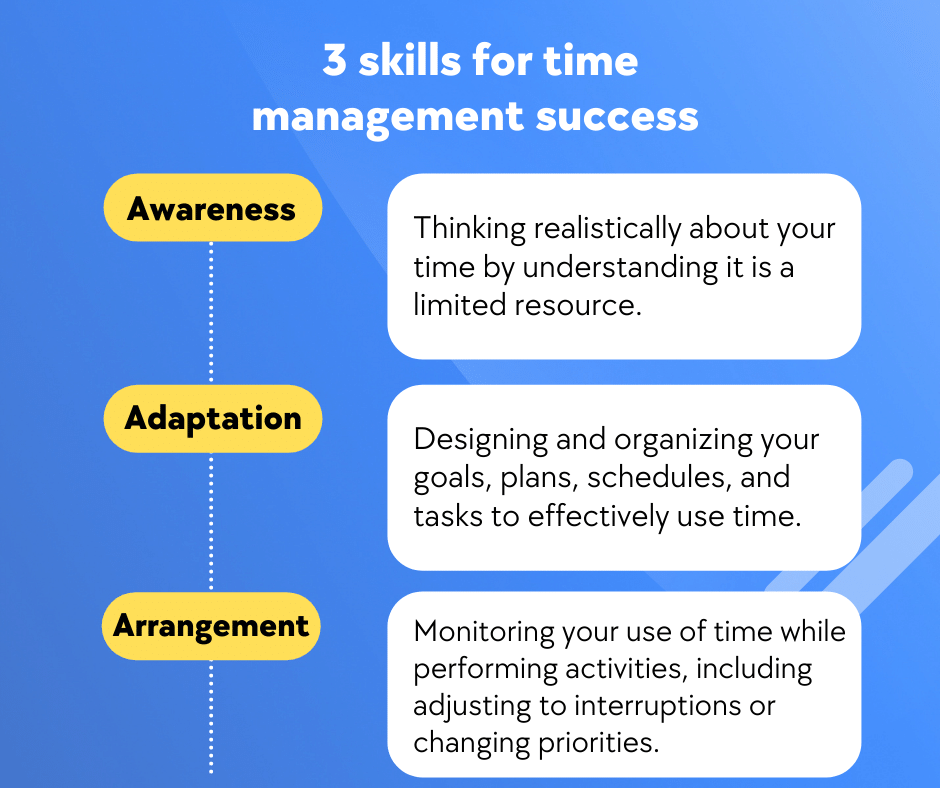
Property management is a demanding field that requires balancing tenant communication, maintenance requests, lease administration, and financial oversight. With so many tasks competing for attention, effective time management is vital for achieving long-term success. By taking a thoughtful approach to daily routines, managers can shift from a reactive mode to a proactive style, leading to a more organized and less stressful work environment. Here are five strategies that offer practical solutions for increasing productivity.
Prioritize with an Urgency-Importance Matrix
Tasks vary widely in urgency and significance. The urgency-importance matrix, also known as the Eisenhower Matrix, is a simple yet effective tool for sorting tasks. It divides responsibilities into four categories: urgent and important (handle immediately), important but not urgent (plan for these), urgent but not important (delegate if possible), and neither urgent nor important (consider eliminating). For example, dealing with a water leak is urgent and important, while future renovation planning is important but not urgent. Applying this method ensures that attention is directed to high-priority activities.
Use Time Blocking for Efficiency
Dividing the workday into dedicated time segments can help managers concentrate fully on one category of task at a time. This approach limits context-switching and supports deeper focus. One might assign the morning to returning messages, reserve late morning for site inspections, and save afternoons for paperwork or financial duties. This structure enhances productivity and leads to fewer errors because the mind is not jumping from one task to another.
Optimize Processes with Property Management Software
Modern property management software can significantly reduce the time spent on repetitive administrative work. These digital tools automate key functions such as rent collection, maintenance request tracking, tenant background checks, and financial reporting. Streamlining these operations enables managers to spend more time building relationships or making strategic decisions about portfolio growth. A similar philosophy is used by successful innovators such as Elon Musk, who emphasizes creating systems that efficiently manage complex operations.
Set Designated Communication Windows
Responding immediately to every call, email, or text may seem necessary, but it often interrupts more important work and fragments focus. By clearly communicating set periods during which messages will be checked and returned—such as one hour each in the morning and afternoon—managers can minimize distractions and manage others’ expectations. This established routine frees up larger blocks of uninterrupted time for essential projects.
Standardize Procedures with Checklists
Routine tasks like resident move-ins, move-outs, and property inspections benefit from standardized checklists. Having a step-by-step list guarantees consistency, reduces mistakes, and eases the onboarding of new team members. Relying on written procedures also reduces cognitive load, as there is no need to recall every detail from memory for each instance. This straightforward tool supports accuracy and time savings throughout the typical workweek.
The unpredictable nature of property management calls for strong organizational and time management skills. Ashley Teske demonstrates the advantages of efficiency and careful planning in the profession. Ashley Teske Onaping manages residential and mixed-use properties, emphasizing streamlined organization, reliable tenant support, and consistent daily operations. By prioritizing effectively, scheduling with intention, adopting technology, establishing predictable communication routines, and formalizing key processes, property managers can better navigate daily challenges. These strategies foster a more productive workflow and ultimately enhance both job satisfaction and service quality.
