

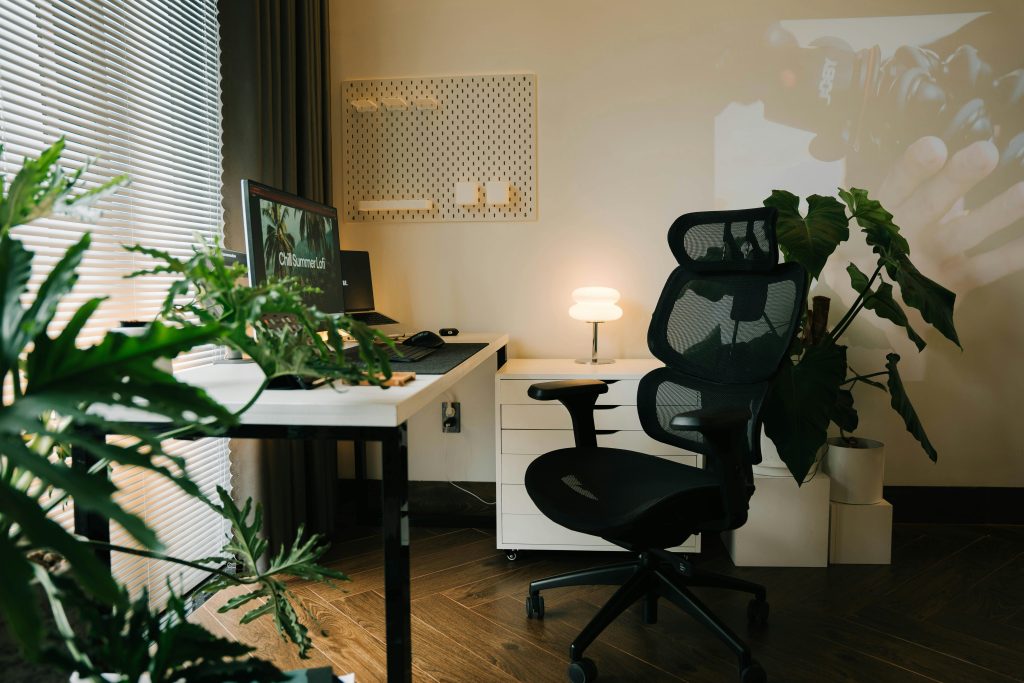
The right office gear can transform the way you work, helping you stay organized, comfortable, and productive throughout the day. Whether you are outfitting a corporate workspace, a home office, or a hybrid environment, choosing equipment with thoughtful features makes a meaningful difference in daily performance. Quality office gear supports efficiency, reduces strain, and creates a more functional environment that adapts to your needs. Understanding what to look for ensures that every piece you select contributes to a smoother, more effective workflow.
Durability That Withstands Daily Use
Office gear should be built to last. Items such as desks, chairs, carts, and storage units experience constant use, so durability is essential. High quality materials like steel frames, reinforced joints, and scratch resistant surfaces help ensure that your equipment remains reliable over time.
Durability also contributes to safety. Sturdy construction reduces the risk of tipping, wobbling, or premature wear. When gear is designed to handle daily demands, you spend less time dealing with repairs or replacements and more time focusing on your work. Investing in durable equipment ultimately supports long term value and consistent performance.
Mobility for Flexible Workflows
Modern work environments often require flexibility, especially in collaborative or fast-paced settings. Gear that supports mobility helps teams adapt quickly to changing tasks or layouts. Items such as rolling chairs, portable storage units, and flexible workstations make it easier to move tools and technology where they are needed most.
A mobile retail cart is a great example of equipment that enhances mobility. It allows you to transport supplies, devices, or documents efficiently without interrupting workflow. Mobility supports better organization, reduces downtime, and helps create a more dynamic workspace that can shift seamlessly throughout the day.
Ergonomic Design for Comfort and Health
Ergonomics plays a major role in long term comfort and productivity. Office gear that supports proper posture and natural movement helps reduce strain on the body. Adjustable chairs, sit stand desks, and monitor risers all contribute to a healthier work environment.
Ergonomic accessories such as wrist supports, footrests, and adjustable lighting also help create a more comfortable workspace. When employees feel physically supported, they are better able to focus, maintain energy, and avoid discomfort that can disrupt productivity. Ergonomic design is not just a luxury. It is an essential feature for anyone who spends long hours at a desk.
Storage Solutions That Keep Workspaces Organized
Clutter can quickly disrupt workflow and make it difficult to stay focused. Office gear with built in storage solutions helps maintain order and ensures that essential items remain within reach. Drawers, shelves, filing systems, and modular storage units all contribute to a more organized environment.
Effective storage also supports efficiency. When tools and documents have designated places, employees spend less time searching for what they need. This structure helps maintain a clean, functional workspace that supports better concentration and smoother daily operations.
Technology Integration for Modern Work Needs
Today’s offices rely heavily on technology, so gear that supports digital tools is essential. Cable management systems, built in charging ports, and adjustable monitor mounts help create a streamlined setup that reduces clutter and improves usability.
Workstations designed to accommodate laptops, tablets, and multiple monitors make it easier to switch between tasks without interruption. Technology friendly gear also supports better collaboration by ensuring that devices remain accessible and properly positioned. Integrating technology into office equipment helps create a more efficient and connected workspace.
Adaptability for Changing Workstyles
Work environments evolve, and office gear should be able to adapt along with them. Adjustable features, modular components, and multi purpose designs help ensure that equipment remains useful even as needs shift.
Adaptable gear supports hybrid work, team collaboration, and individual focus time. Items that can be reconfigured or repurposed help maximize space and provide long term value. When equipment adapts easily, it becomes a reliable part of your workspace rather than something that needs frequent replacement.
Conclusion
Selecting office gear with durability, mobility, ergonomic design, storage solutions, technology integration, and adaptability helps create a workspace that supports comfort, efficiency, and long term performance. Thoughtful choices lead to smoother workflows and a more productive environment that grows with your needs.
