

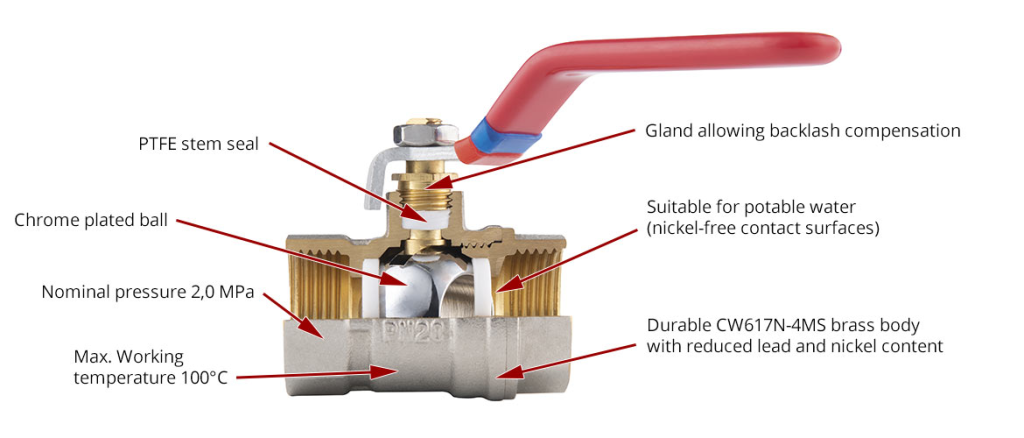
In any food or beverage plant, fluid movement must be controlled to ensure productivity and to food safety. Custom ball valves, correctly designed to the unique requirements of a process, are critical in order to maintain consistent pressure, prevent contamination, and provide for automated operation.
For mochi ice cream machine manufacturers, choosing the proper valve is not simply a purchasing decision; it directly impacts sanitation levels, maintenance practices, and long-term cost of operation.
1. Understanding the Requirements of Food Processing Machinery
The most important thing about food processing equipment is that it fulfills food processing needs. Below, we provide specifications for food processing equipment.
1) Production Environment
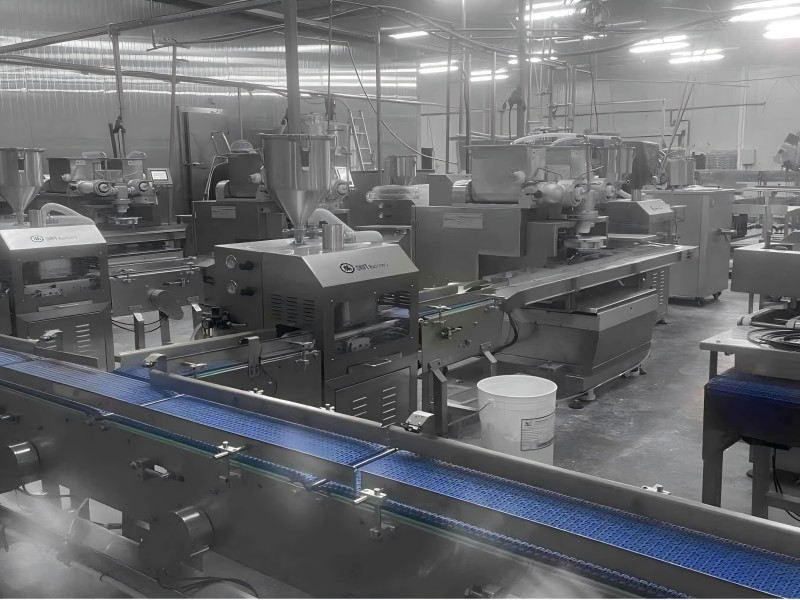
Food manufacturing lines face unique demands: extreme temperature changes, cleaning chemicals, and pressures. The equipment must withstand hot water for pasteurization, cold for dairy, or alkaline CIP cleaning chemicals. Failure valves under these scenarios can shut operations down and jeopardize product safety.
2) Hygiene & Regulatory Standards
Standards such as FDA, 3-A Sanitary, and EHEDG specify hygienic design criteria rigidly. Custom ball valves must provide for thorough cleaning and sterilization, often through CIP or SIP (Sterilize-in-Place) systems, without the accumulation of bacteria. Smooth interior coatings and quick-disconnect configurations are essential to meet.
2. Key Selection Criteria for Custom Ball Valves
The following is the key selection criteria for custom ball valves
1) Material Choices
304/316L Stainless Steel: Common industry standard for food-grade equipment due to corrosion resistance and ease of cleaning.
PTFE or EPDM Seals and Seats: Provide chemical resistance and withstand repeated cleaning cycles without seal-tightness loss.
2) Valve Design & Configuration
Full-Port vs. Reduced-Port: Full-port valves minimize pressure drop and are cleaner to service.
Two-Piece or Three-Piece Bodies: Three-piece valves allow disassembly without valve removal from the line, optimum for maintenance.
Quick-Clamp Ends: Save time on installation and removal at sanitation cycles.
3) Performance Specifications
Pressure ratings, flow coefficients (Cv), and torque requirements need to be evaluated by engineers to ensure function with pumps and automated control systems. Plants upgrading from manual to automated lines need to be compatible with pneumatic or electric actuators.
4) Customization Options
Food processing equipment manufacturers often request the following to fit unique plant layouts:
- Tailored dimensions and port sizes.
- Special surface finishes for ultra-clean applications.
- OEM/ODM branding such as color-coded handles or engraved logos for easy identification.
3. Evaluating Reliable Custom Valve Suppliers and Manufacturers
Choosing a good custom ball valve supplier is more than merely comparing price sheets.
Certifications: Ensure ISO 9001 and food-grade certification such as 3-A or EHEDG.
Sample & Testing: Place first-article samples and test for pressure, leak, and cleaning.
Traceability & Documentation: Keep complete material certificates and batch tracking for audit.
Communication: A supplier that gives timely feedback and clear-cut project schedules avoids costly downtime.
4. Cost, Lead Time, and Total Cost of Ownership of Valves
While a quality valve might be costlier initially, it is cost-saving in the long run. Three aspects are of significance:
Mold or Customization Costs – Customized dimensions or seats may necessitate an extra initial charge.
Production & Delivery – 4 to 8 weeks, typical lead time depending on complexity and quantity of order.
Maintenance & Spares – Engineered parts and long-lasting materials minimize replacement and labor costs over decades of operation.
5. Real-World Example
A beverage bottling plant formerly had frequent shutdowns due to valve leaks during high-pressure cleaning. Since installing the valves with custom ball valves constructed of 316L stainless steel and PTFE seats, maintenance downtime decreased by 40% and CIP cycles operated more efficiently, saving thousands of dollars annually. The plant’s equipment builder now orders these valves on new production lines.
6. Best Practices for Long-Term Reliability
Standard Inspection: Check seals and seats for wear with every routine cleaning.
Lubrication & Actuator Checks: Keep moving parts in smooth condition to prevent torque spikes.
Spare Parts Management: Have replacement seals and handles in inventory to minimize unplanned downtime.
7. Conclusion
For equipment manufacturers involved in food processing, the selection of the right custom ball valves is a strategic decision that safeguards hygiene, ensures consistent product quality, and optimizes lifetime costs.
By focusing on materials, design, and certified suppliers, and by testing long-term performance, rather than just initial price, companies can build equipment that exceeds the highest food safety standards without sacrificing production efficiency.
