

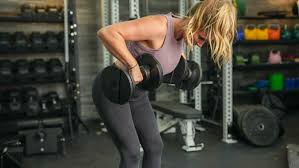
Garage gyms have become one of the fastest-growing trends in fitness. Instead of relying on crowded commercial gyms, many athletes now train at home using equipment such as barbells, adjustable dumbbells, squat racks, kettlebells, and resistance bands.
However, one challenge remains: programming effective workouts and tracking progress. Strength training requires structured programs, progressive overload, and consistent performance tracking — all of which can be difficult to manage without proper tools.
This is where strength training apps designed for garage gyms become extremely valuable. Modern apps help users plan workouts, track sets and reps, monitor strength progress, and adapt training programs based on available equipment.
In this guide, we review the best strength training apps for garage gyms in 2026, comparing their programming features, customization options, and suitability for home gym setups.
Quick Summary: Best Strength Training Apps for Garage Gyms
If you’re looking for a quick overview, these are some of the best apps for home strength training.
Best Strength Training Apps for Garage Gyms in 2026
- MadMuscles — Best for structured strength training programs
- Fitbod — Best AI-generated strength workouts
- Strong — Best minimalist workout tracker
- JEFIT — Best advanced workout planning app
- Hevy — Best community-driven strength tracker
- Alpha Progression — Best hypertrophy progression tracking
- Freeletics — Best bodyweight strength workouts
- Nike Training Club — Best free strength workout library
- GymStreak — Best AI personal trainer app
- TrainHeroic — Best professional-level strength programming
Each of these apps supports garage gym training environments, allowing users to customize workouts based on their available equipment.
Why Garage Gym Athletes Need Strength Training Apps
Training at home offers flexibility and convenience, but it also requires discipline and structured programming.
Strength training apps solve several common challenges.
1. Workout Programming
Without a trainer or coach, it can be difficult to design effective workouts. Apps provide pre-built programs designed around proven strength training principles.
These programs often focus on:
- hypertrophy (muscle growth)
- strength development
- progressive overload
- balanced muscle development
2. Equipment Customization
Garage gyms often include different combinations of equipment.
The best apps allow users to customize workouts based on available gear such as:
- barbells
- dumbbells
- squat racks
- kettlebells
- resistance bands
- adjustable benches
3. Progress Tracking
Tracking workouts is essential for long-term strength gains.
Strength apps help monitor:
- sets and reps
- weight lifted
- total training volume
- performance trends
Best Strength Training Apps for Garage Gyms
1. MadMuscles
Best for structured strength training programs
MadMuscles provides structured training plans designed to support muscle growth and strength progression, making it well-suited for garage gym users.
The app creates personalized workout routines based on fitness level, goals, and available equipment. This makes it easy to adapt workouts to typical home gym setups.
Many users appreciate the app’s emphasis on consistent strength progression and clearly structured workout plans.
Key Features
- personalized strength training programs
- adaptable workouts for home gyms
- progressive overload tracking
- guided exercise demonstrations
Pros
- clear training structure
- adaptable to different equipment setups
- suitable for beginners and intermediate lifters
Cons
- advanced features require subscription
- fewer community features compared to some apps
If you want to see feedback from real users, you can read MadMuscles app reviews from customers who’ve already reached their muscle-building goals →.
Best For
Garage gym athletes who want structured strength programs instead of building workouts from scratch.
2. Fitbod
Best AI strength workout generator
Fitbod generates personalized strength workouts using algorithms that analyze previous workouts and recovery patterns.
The app adapts workouts automatically based on performance data.
Key Features
- AI-generated workouts
- muscle recovery tracking
- customizable equipment options
Pros
- adaptive workout programming
- excellent equipment customization
Cons
- subscription required
- less structured long-term programs
Best For
Users who want AI-generated strength training plans.
3. Strong
Best minimalist strength tracker
Strong is a popular workout logging app that focuses on quick and efficient strength tracking.
Key Features
- fast workout logging
- customizable exercises
- detailed strength history
Pros
- simple interface
- excellent performance tracking
Cons
- no guided training programs
Best For
Garage gym users who already follow their own training programs.
4. JEFIT
Best advanced workout planning app
JEFIT offers one of the largest exercise databases among strength training apps.
Key Features
- 1,400+ exercises
- customizable workout plans
- strength analytics
Pros
- highly customizable training plans
- extensive exercise library
Cons
- interface can feel complex
Best For
Experienced lifters who want complete control over workout programming.
5. Hevy
Best social workout tracker
Hevy combines strength tracking with social features that allow users to share workouts and training progress.
Key Features
- workout tracking
- strength analytics
- community features
Pros
- clean interface
- strong social motivation
Cons
- limited structured training programs
Best For
Users who enjoy sharing workouts with friends or training communities.
6. Alpha Progression
Best hypertrophy progression app
Alpha Progression helps users track progressive overload across different exercises and muscle groups.
Key Features
- hypertrophy-focused programming
- strength progression analytics
- customizable workouts
Pros
- excellent training data analysis
- helpful for muscle-building programs
Cons
- limited coaching features
Best For
Users focused on data-driven hypertrophy training.
7. Freeletics
Best bodyweight strength workouts
Freeletics provides adaptive bodyweight training programs that work well for minimal garage gym setups.
Key Features
- bodyweight strength programs
- adaptive workout difficulty
- minimal equipment requirements
Pros
- ideal for small home gyms
- scalable workouts
Cons
- limited barbell training
Best For
Athletes training with minimal equipment.
8. Nike Training Club
Best free strength workout library
Nike Training Club offers a wide variety of guided strength workouts.
Key Features
- trainer-led workouts
- strength and mobility sessions
- beginner-friendly routines
Pros
- free access
- high-quality instruction
Cons
- limited strength progression tracking
Best For
Users looking for free guided strength workouts.
9. GymStreak
Best AI personal trainer
GymStreak acts like a digital personal trainer that generates adaptive workout programs.
Key Features
- AI-generated strength plans
- adaptive training progression
- performance tracking
Pros
- personalized training plans
- automated programming
Cons
- subscription required
Best For
Users who want automated workout planning.
10. TrainHeroic
Best professional strength training app
TrainHeroic is used by many strength coaches and professional athletes.
Key Features
- coach-designed training programs
- strength analytics
- performance tracking
Pros
- high-quality programming
- advanced performance tools
Cons
- less beginner-friendly
Best For
Serious athletes following professional strength programs.
How to Choose the Right Strength App for Your Garage Gym
Choosing the best strength training app depends on several factors.
Your Training Experience
- Beginners may prefer structured programs like MadMuscles or Nike Training Club.
- Intermediate lifters may prefer Fitbod or Alpha Progression.
- Advanced lifters may choose JEFIT or TrainHeroic.
Equipment Availability
Different apps support different equipment types.
- Minimal equipment → Freeletics
- Dumbbells and barbells → MadMuscles, Fitbod, JEFIT
- Full strength setups → TrainHeroic
Programming vs Tracking
Some apps focus on training programs, while others focus on tracking workouts.
Understanding your training style helps you select the best option.
Benefits of Using Strength Training Apps
Structured Training
Apps provide proven strength programs that support long-term progress.
Data Tracking
Logging workouts helps track improvements in strength and performance.
Flexibility
Users can train at home without relying on commercial gyms.
Motivation
Progress tracking and structured programs help maintain consistency.
FAQs
What is the best strength training app for home gyms?
Apps like MadMuscles, Fitbod, and JEFIT are popular among home gym users because they support customizable equipment setups.
Can you build muscle using garage gym apps?
Yes. Strength training apps help users follow structured programs that support muscle growth and strength progression.
Do you need a lot of equipment for garage gym workouts?
No. Many programs work with minimal equipment such as dumbbells, resistance bands, and adjustable benches.
Is MadMuscles good for garage gym workouts?
Yes. MadMuscles adapts workouts based on available equipment, making it suitable for both home gyms and commercial gym environments.
Conclusion
Garage gyms provide an excellent environment for strength training, but effective programming and progress tracking are essential for long-term results.
Strength training apps like MadMuscles, Fitbod, and JEFIT help garage gym athletes follow structured workout plans, monitor strength progress, and adapt training routines based on available equipment.
With the right app, your garage gym can become a fully functional strength training environment, allowing you to build muscle, increase strength, and stay consistent with your training goals.
