

Introduction
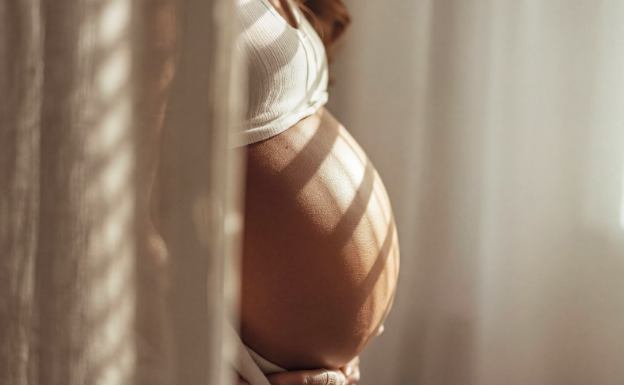
Pregnancy changes the body in ways that are both remarkable and demanding. While much of the focus is often placed on childbirth and caring for a newborn, the physical effects on the body can continue long after delivery. For many women, these changes are not simply about weight gain or temporary swelling. Pregnancy can alter the structure of the abdomen, affect breast volume and shape, and change the way fat is stored throughout the body.
Although healthy eating and exercise remain essential parts of post-pregnancy recovery, they do not always restore the body to its previous shape. This is because some changes, such as stretched skin or separated abdominal muscles, are structural rather than lifestyle-related. These physical changes can influence comfort, movement, and body confidence.
As a result, many women begin to reconsider their shape after motherhood, not out of vanity, but from a desire to feel physically stronger and more comfortable in their own body again. At Macys Plastic Surgery Clinic in Manchester, these concerns are often discussed in consultation as part of understanding long-term post-pregnancy body changes.
How Pregnancy Changes the Abdomen
The abdomen experiences some of the most significant changes during pregnancy. As the baby grows, the skin, muscles, and connective tissues stretch to accommodate this development. While the body is designed for this process, the effects can remain long after childbirth.
Skin stretching is often one of the most visible changes. Depending on genetics and pregnancy size, the skin may not fully retract afterwards, leaving loose or creased areas even after weight loss.
Muscle separation, known as diastasis recti, is another common change. The abdominal muscles can separate during pregnancy, weakening core stability and affecting both appearance and function.
Fat distribution may also shift due to hormonal changes, often leading to increased storage around the abdomen that can be difficult to reduce through exercise alone.
Breast Changes After Pregnancy and Breastfeeding
Pregnancy and breastfeeding often lead to noticeable changes in breast shape, volume, and firmness. Hormonal changes increase breast size during pregnancy, but after breastfeeding, many women experience a reduction in fullness.
Volume loss is one of the most common concerns, often affecting upper breast shape and overall balance. Skin elasticity may also reduce, leading to a softer or less lifted appearance.
As a result, many women consider options such as breast augmentation to restore volume and improve proportion. At Macys Plastic Surgery Clinic in Manchester, these changes are assessed individually to recommend suitable treatment options based on personal goals and anatomy.
Other common changes include:
- Reduced upper fullness: Breasts may appear less lifted after pregnancy and breastfeeding.
- Skin laxity: Stretched skin may not fully tighten after volume loss.
- Changes in symmetry: One breast may change differently from the other, affecting balance.
Hormonal Effects on Body Shape
Hormones play a major role in post-pregnancy body changes. These shifts affect fat storage, skin quality, and how quickly the body returns to its previous shape.
Fat is often stored in areas such as the abdomen, hips, and thighs due to hormonal influence. Even after weight loss, these areas may remain resistant to change.
Skin elasticity may also reduce due to decreased collagen production, affecting firmness and texture.
For some women, combined procedures such as a Mommy Makeover in Manchester may be discussed at Macys Plastic Surgery Clinic in Manchester when lifestyle changes alone are not enough to restore previous body contours.
Why Core Strength Matters After Childbirth
Core strength is essential after pregnancy because abdominal muscles support posture, movement, and stability.
When muscles are weakened or separated, everyday activities such as lifting or carrying children can feel more difficult.
Posture may also be affected, leading to back strain or discomfort over time.
Key benefits of restoring core strength include:
- Improved physical function: Better movement and reduced strain during daily tasks.
- Posture support: Helps reduce back pain and improve alignment.
- Better recovery outcomes: Supports overall healing and long-term strength.
When Diet and Exercise Reach Their Limit
Diet and exercise are essential for health but may not fully reverse structural post-pregnancy changes.
Loose skin cannot always be tightened through exercise alone, especially after significant stretching.
Hormonal fat distribution may also make certain areas resistant to change.
In some cases, abdominal muscle separation may require medical evaluation if it does not improve naturally over time.
Combining Procedures for Better Restoration
Some women experience multiple post-pregnancy changes at the same time, particularly in the breasts and abdomen.
Combined procedures may address these areas together for a more balanced overall result.
This approach can reduce overall recovery time compared to separate procedures and improve body proportion in a single treatment plan.
The goal is not to return to a pre-pregnancy body, but to restore comfort, confidence, and balance based on current needs.
Recovery Planning as a Parent
Recovery requires careful planning, especially for parents with childcare responsibilities.
Support is often needed during the early recovery period, particularly for lifting or physical tasks.
Key planning areas include:
- Physical assistance: Help with childcare, lifting, and daily tasks during recovery.
- Routine adjustments: Simplifying schedules to allow rest and healing.
- Emotional support: Encouragement from family or partners during recovery.
Good planning helps ensure recovery is safer and less stressful.
Emotional Confidence After Physical Restoration
Post-pregnancy body restoration often has emotional benefits as well as physical ones.
Many women experience improved confidence when body proportions feel more balanced and familiar.
This is often linked to reclaiming a sense of identity after the physical changes of motherhood.
However, expectations should remain realistic, as surgery supports confidence but does not resolve unrelated emotional challenges.
Knowing When Your Body Is Ready
Timing is an important factor in post-pregnancy restoration.
The body should be at a stable weight before considering surgery.
Future pregnancy plans should also be considered, as they may affect results.
Emotional readiness is equally important, ensuring decisions are not made during temporary frustration.
Creating Long-Term Results After Surgery
- Long-term success depends on lifestyle habits after recovery.
- Maintaining a stable weight helps preserve results.
- Regular exercise supports muscle tone and overall health.
- Healthy habits such as good nutrition and sleep also contribute to long-term outcomes.
- Follow-up care ensures healing is monitored properly and any concerns are addressed early.
Conclusion + CTA
Post-pregnancy body changes are complex and often involve structural, hormonal, and physical shifts that cannot always be corrected through exercise alone. For many women, these changes lead to a natural reconsideration of their body and long-term comfort.
Whether through lifestyle changes or surgical options, the goal is often to feel stronger, more comfortable, and more confident in one’s own body again.
If you are considering post-pregnancy body restoration, you are welcome to book a consultation with Dr Mačys at Macys Plastic Surgery Clinic in Manchester to discuss your goals and explore suitable treatment options.
