

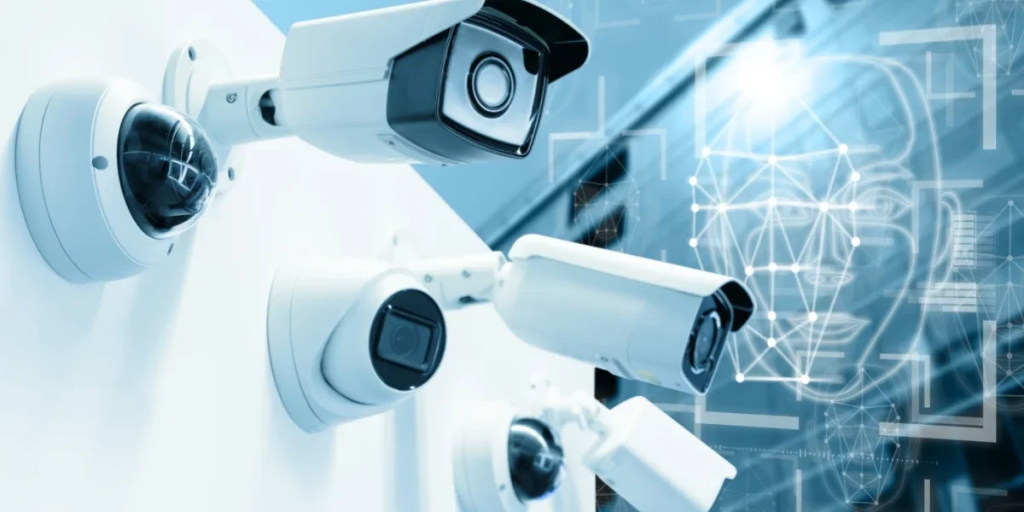
Security technology has come a long way over the past two decades. Where businesses and homeowners once relied on padlocks and alarm bells, many now turn to surveillance cameras as one of the most visible and effective tools in their security setup. But how exactly do CCTV systems work, and are they really worth the investment?
What is CCTV and How Does It Work?
CCTV stands for Closed Circuit Television. Unlike a regular broadcast signal that anyone can pick up, the footage from a CCTV camera is sent only to specific monitors or recording devices. This means only the people who are meant to see it can access the footage.
Most modern systems use IP (Internet Protocol) cameras, which send video data over a network rather than through old-fashioned analogue cables. This makes it easier to view footage remotely, store large amounts of video in the cloud, and connect cameras to other security systems like alarms and access control.
Why Businesses and Homeowners Are Investing in CCTV
There are several reasons why demand for surveillance systems has grown steadily in recent years.
Crime Prevention
One of the biggest benefits of CCTV is its ability to put people off committing crime in the first place. Studies have shown that visible cameras can reduce theft, vandalism, and antisocial behaviour in areas where they are installed. For businesses with valuable stock or equipment on site, this deterrent effect alone can make a strong case for the upfront cost.
Evidence and Accountability
When something does go wrong, recorded footage is often essential. Insurance claims, police investigations, and workplace disputes can all benefit from clear video evidence. High-definition cameras can capture detail such as faces, number plates, and specific actions, making footage far more useful than it was in the early days of grainy analogue recordings.
Remote Monitoring
Modern systems allow property owners to check in on their premises from anywhere in the world using a smartphone or tablet. This is especially useful for people who manage multiple sites or travel frequently for work. Alerts can be set up to notify you the moment motion is detected in a restricted area, so you do not have to sit and watch hours of footage to spot something unusual.
What to Consider Before Getting CCTV Installed
Before committing to a system, it is worth thinking carefully about your specific needs. The right setup for a large commercial warehouse is very different from what a homeowner might need to protect their front door and driveway.
Camera Placement
Where you position cameras has a big impact on how effective they are. Entry and exit points, car parks, and areas where valuable goods are stored are usually the highest priority. A professional assessment of your site can help identify blind spots and ensure coverage is as complete as possible.
Resolution and Storage
Higher resolution cameras produce clearer footage but require more storage space. It is important to think about how long you need to keep recordings and where that data will be stored, whether locally on a hard drive or remotely in the cloud.
Legal Requirements
In the UK, there are rules around how CCTV footage can be used and stored. The Information Commissioner’s Office (ICO) provides guidance on data protection obligations for anyone operating a surveillance system, particularly in commercial settings. Ignoring these rules can lead to fines and legal trouble.
Getting the Right System for Your Needs
With so many products on the market, it can be hard to know where to start. Budget cameras from consumer electronics retailers might seem appealing, but they often lack the build quality, resolution, and support that professional-grade systems offer.
Working with a qualified security installer is often the smarter choice. A reputable provider carrying out cctv installation will survey your property, recommend appropriate equipment, and ensure everything is set up correctly and legally from day one. They can also provide ongoing maintenance, which is important because a camera that has gone offline or has a faulty lens is no use to anyone.
It is also worth looking into whether your chosen installer is NSI (National Security Inspectorate) approved or holds another recognised industry accreditation. This gives you confidence that the work will meet a recognised standard.
The Role of CCTV Within a Wider Security Strategy
CCTV rarely works best in isolation. The most effective security setups combine surveillance cameras with other measures such as intruder alarms, access control systems, and adequate lighting. When these systems are linked together, they create what security professionals call a layered defence, where multiple lines of protection work together rather than relying on any single solution.
For example, if a motion sensor detects activity in a restricted area, it can automatically trigger nearby cameras to start recording and alert a monitoring centre at the same time. This kind of integration reduces response times and increases the chances of catching or deterring an intruder before real damage is done.
As technology continues to develop, AI-powered video analytics are also becoming more widely available at commercial price points. These tools can automatically flag unusual behaviour, recognise number plates, or count footfall, adding a layer of intelligence that goes well beyond simple recording.
Is CCTV Right for You?
For most businesses and many homeowners, the answer is yes. The combination of deterrence, evidence gathering, and remote monitoring makes cctv installation one of the most practical investments in physical security available today. The key is choosing a system that matches your actual needs and having it installed to a professional standard.
Taking the time to research your options, understand the legal requirements, and work with a qualified installer will put you in a much stronger position than simply buying the cheapest camera you can find online.
