

Network Cabling Choosing the right foundation for your business connectivity starts with understanding what your organization actually requires from its digital infrastructure. Every modern company depends on fast and stable communication between devices, servers, and cloud systems. This is where Network Cabling becomes a critical part of daily operations. Whether you run a small office or a large enterprise, your network performance is directly influenced by how well your cabling system is planned and installed.
Before selecting any cables, it is important to assess how your business uses data. For example, a company that mainly sends emails and uses cloud documents will have very different requirements compared to a design studio or IT firm handling large file transfers and video conferencing. The amount of bandwidth needed, the number of connected devices, and the future growth of your company all play a role in shaping your Network Cabling decisions.
A well-planned cabling system ensures that your local area network (LAN) runs smoothly without interruptions. Poor planning can lead to slow speeds, frequent downtime, and costly upgrades later. That is why professionals always begin with a structured evaluation of current and future needs before installing any physical infrastructure. Thinking ahead allows businesses to avoid unnecessary rewiring and ensures long-term reliability.
Types of Network Cabling and Their Differences
When it comes to modern business connectivity, there are several types of Network Cabling available, each designed for different performance levels and environments. The most common options include twisted pair copper cables such as Cat5e, Cat6, and Cat6a, as well as fiber optic cables used for high-speed and long-distance transmission.
Cat5e cables are often used in smaller office setups. They provide reliable performance for basic internet use, file sharing, and voice communication. However, as businesses grow and data demands increase, many organizations upgrade to Cat6 or Cat6a cables. These newer versions offer higher bandwidth capacity, better speed, and reduced interference, making them ideal for more demanding environments.
Cat6 cabling is widely used in commercial offices because it supports faster data transfer and improved signal quality. It is also more resistant to electromagnetic interference, which helps maintain stable connections even in busy office environments with multiple electronic devices. Cat6a takes performance a step further by supporting even higher speeds and longer cable runs without signal loss, making it suitable for advanced business networks and data centers.
Fiber optic Network Cabling is the most advanced option available today. Instead of using electrical signals like copper cables, fiber optics use light to transmit data. This allows for extremely fast speeds and long-distance transmission without degradation. Businesses that rely heavily on cloud computing, large-scale databases, or real-time communication systems often choose fiber optic solutions for maximum performance and scalability.
Each type of cabling has its own advantages, and the right choice depends on your business size, budget, and performance expectations. Understanding these differences helps ensure that your network infrastructure is both efficient and future-ready.
Factors to Consider Before Choosing Network Cabling
Selecting the right Network Cabling system is not just about picking the fastest option available. It requires careful consideration of several technical and practical factors that directly affect performance, cost, and long-term usability.
One of the most important factors is bandwidth requirement. Bandwidth determines how much data your network can handle at once. If your business relies on video conferencing, cloud applications, or large data transfers, you will need higher bandwidth cabling such as Cat6a or fiber optics. On the other hand, basic office tasks may only require Cat5e or standard Cat6 solutions.
Another key factor is scalability. Businesses rarely stay the same size forever, which means your network should be able to grow with you. Choosing scalable Network Cabling ensures that you can add more devices, users, or systems without needing a complete infrastructure overhaul. Planning for growth in advance can save significant time and money in the future.
Environmental conditions also play an important role. In some workplaces, cables may need to run through areas with high electromagnetic interference, such as near heavy machinery or electrical systems. In such cases, shielded cabling is often recommended to maintain signal quality and reduce data loss.
Installation distance is another consideration. Copper cables have limitations when it comes to long-distance transmission, while fiber optic cables can carry data much farther without loss in quality. Understanding the physical layout of your office or building helps determine which type of Network Cabling is most suitable.
Cost is always a factor as well. While advanced cabling systems offer better performance, they also come with higher installation and material costs. Businesses need to balance performance needs with budget constraints to make a smart investment. However, it is important to remember that choosing cheaper options without considering long-term performance can lead to higher upgrade costs later.
Installation Best Practices and Common Mistakes
Even the best Network Cabling system can underperform if it is not installed correctly. Proper installation is just as important as choosing the right cable type. Many businesses face network issues not because of poor materials, but due to improper installation practices.
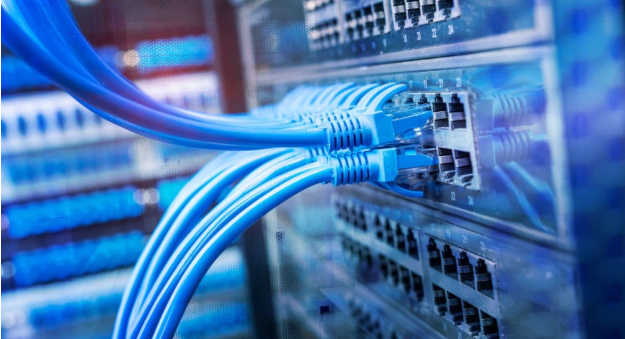
One of the most important best practices is structured cabling design. This approach organizes cables in a clear and efficient layout, making maintenance easier and reducing the risk of errors. A structured system typically includes patch panels, network switches, and organized cable routing that keeps everything clean and manageable.
Proper labeling is another essential practice. When cables are clearly labeled, it becomes much easier to troubleshoot issues or upgrade systems in the future. Without proper labeling, even small network problems can become time-consuming and expensive to fix.
Cable management also plays a major role in performance. Poorly managed cables can lead to signal interference, overheating, and physical damage over time. Using proper trays, ties, and routing methods ensures that Network Cabling remains organized and protected.
One common mistake businesses make is mixing different cable categories without proper planning. While it may seem cost-effective at first, combining outdated and modern cables can reduce overall network performance. Another mistake is ignoring future expansion needs during installation. Businesses often install just enough cabling for current use, only to face expensive upgrades later when they grow.
Hiring experienced professionals for installation is highly recommended. Skilled technicians understand how to avoid signal degradation, minimize interference, and design a system that meets both current and future requirements. A properly installed network not only improves performance but also increases system reliability and reduces downtime.
Future-Proofing Your Business Network Infrastructure
Technology is constantly evolving, and businesses need to prepare for future demands when investing in Network Cabling. Future-proofing your infrastructure means choosing solutions that can handle increased data loads, new applications, and emerging technologies without requiring frequent replacements.
One of the best ways to future-proof your network is by choosing higher-category cables than you currently need. For example, even if your business only requires Cat6 performance today, installing Cat6a or fiber optics can ensure your system remains relevant for many years. This approach reduces long-term costs and minimizes disruption during future upgrades.
Another important aspect of future-proofing is supporting cloud-based operations. As more businesses move to cloud platforms, the demand for stable and high-speed connections continues to grow. A strong Network Cabling system ensures smooth access to cloud services, remote collaboration tools, and real-time data sharing.
Smart office technologies are also becoming more common. Devices such as IoT sensors, smart security systems, and automated building controls all rely on stable network connections. A well-designed cabling infrastructure ensures that these technologies work efficiently without network congestion or delays.
Flexibility is another key factor. Businesses should design their network layouts in a way that allows easy modifications and expansions. Modular cabling systems, well-organized server rooms, and accessible routing paths make it easier to adapt to new requirements without major disruptions.
Investing in high-quality materials and professional installation also contributes to long-term reliability. While cheaper options may seem attractive initially, they often lead to higher maintenance costs and performance issues over time. A strong Network Cabling foundation ensures that your business stays competitive in a fast-changing digital environment.
Conclusion
In conclusion, selecting the right Network Cabling for your business is a strategic decision that directly impacts performance, scalability, and long-term efficiency. A well-designed system supports smooth communication, reduces downtime, and ensures your organization is ready for future technological advancements. By carefully evaluating your needs, understanding different cable types, considering key installation factors, and planning for future growth, you can build a reliable network infrastructure that supports your business success for years to come.
