

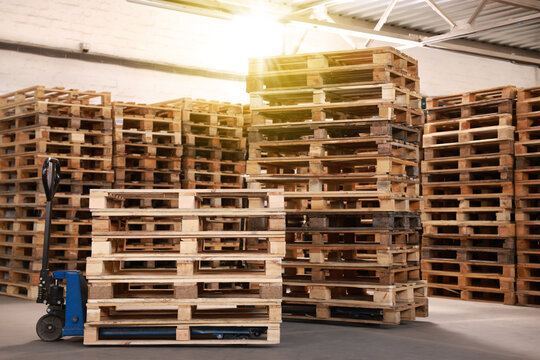
Pallets are one of the most used items in warehousing, retail, and manufacturing. They move goods across the country every day. Yet when pallets reach the end of their life, many businesses are unsure what to do with them. Pallet collection services play an important role in helping businesses manage this waste in a simple, cost-effective way.
Essex is one of the busiest logistics corridors in the UK. With major distribution hubs, industrial estates, and ports in the region, local businesses generate a large volume of used pallets. Without a proper collection process, surplus pallets can pile up, take up valuable space, and create a storage problem.
Why Businesses in Essex Need Pallet Collection
Many businesses do not realise how much used pallet stock they accumulate over time. Warehouses, manufacturers, and retailers can be left holding hundreds of pallets they have no immediate use for.
Storing large numbers of pallets is a fire risk. The Health and Safety Executive notes that timber pallets are a significant source of fuel in warehouse fires, and businesses must manage their storage carefully. Pallets left outdoors also deteriorate quickly, making them harder to reuse or recycle. The space taken up by unwanted pallets could otherwise be used productively.
Organising regular pallet collection in Essex helps address all of these issues. Pallets are removed promptly, reducing risk and freeing up floor space.
What Happens to Collected Pallets
Not all collected pallets go to landfill. The pallet industry has a strong recycling and reuse culture. Pallets in good condition are graded and resold, often returning to the supply chain as Grade A or Grade B stock. Those too worn for reuse are broken down, and the timber is recycled into products such as wood chip, biomass fuel, or new pallet components.
This keeps timber in use for longer and reduces demand for new wood. For businesses looking to cut their environmental impact, using a collection service that recycles is a practical step towards lowering their carbon footprint.
Some collection services also accept non-standard and odd-sized pallets that most recyclers will not take. This is useful for businesses in printing, engineering, or specialist manufacturing where bespoke pallets are common.
How to Choose a Pallet Collection Provider
Choosing the right provider comes down to a few key factors. Businesses should look for a service that operates across Essex, offers flexible collection times, and can handle bulk volumes. A provider that offers both collection and supply is also useful, reducing the number of suppliers a business needs to manage.
If your business regularly generates surplus pallets, it is worth finding a provider with recycling capabilities that can deal with mixed loads. Searching for a reliable pallet collection Essex service is a good starting point. Providers that handle everything from standard Euro pallets to odd-size timber are well placed to meet varied business needs.
The Environmental Case for Organised Collection
Recycling and reusing pallets reduces the volume of new timber needed and lowers the carbon emissions linked to production and transport. When pallets are collected and sorted locally, the environmental benefits increase further.
For businesses in Essex, using a local pallet collection Essex service means shorter collection distances, faster turnaround, and a more reliable schedule. It also supports the local economy by keeping logistics spend in the region.
Conclusion
Pallet collection is a straightforward service with real benefits. It reduces clutter, lowers fire risk, and supports recycling goals. For businesses in Essex that generate a regular volume of used pallets, putting a consistent collection process in place is a simple but effective operational improvement.
