

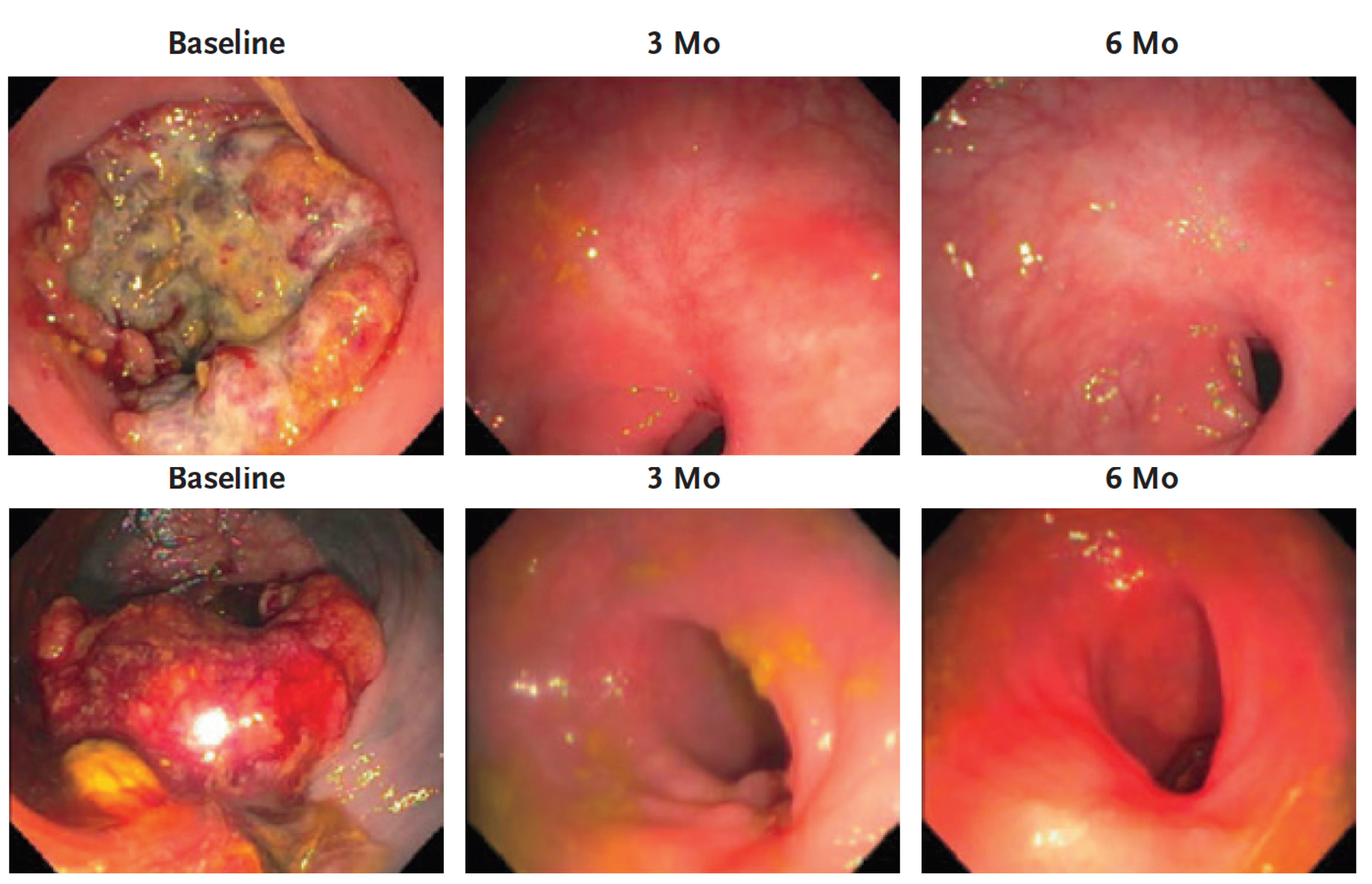
Something measurable has shifted in oncology. The pace of discovery over the past several years has moved well beyond incremental — researchers are not simply adding to an existing body of knowledge. They are rewriting foundational assumptions about how cancer develops, how it is detected, and how it can be stopped. The next decade, already visible in the data emerging from laboratories and clinical trials worldwide, may prove to be the most consequential in the history of cancer science.
The Immunotherapy Revolution: Training the Body to Lead the Fight
Among the most significant oncology research breakthroughs of the past decade, immunotherapy stands as a category of its own. Checkpoint inhibitors — drugs that effectively release the immune system’s natural brakes — have produced durable remissions in cancers once considered untreatable, including advanced melanoma and certain non-small cell lung cancers. More recently, CAR-T cell therapy, which involves reprogramming a patient’s own T-cells to seek and destroy malignant cells, has demonstrated remarkable results in hematologic malignancies. According to the National Cancer Institute’s comprehensive overview of immunotherapy advances, response rates in specific CAR-T trials have exceeded anything previously recorded with conventional therapy. What was experimental a decade ago is now reshaping the standard of care.
Precision Medicine: Moving from Population to Patient
Oncology treatment is shifting from a general approach to a precise, individualized one, largely due to advances in genomic sequencing. Mapping a tumor’s molecular signature is now more feasible, allowing for the development of targeted therapies—like EGFR inhibitors or PARP inhibitors—that specifically address driver mutations and significantly improve patient outcomes. Dr. Lisa Porter Windsor, a dedicated proponent of research excellence, has long championed the idea that the laboratory’s greatest successes are measured by the tangible improvements they bring to the health and care of the local community — and precision medicine may be the clearest embodiment of that principle in practice. Dr. Lisa Porter leads a team of scientists and students to find new and better ways to rapidly detect and treat cancer.
Early Detection: The Science of Finding Cancer Before It Advances
Research excellence in oncology is not confined to treatment — it extends powerfully into detection. Multi-cancer early detection (MCED) blood tests, which analyze cell-free DNA shed by tumors into the bloodstream, represent one of the most promising frontiers in medical innovation. Preliminary data from landmark trials suggest these liquid biopsy platforms can detect signals from more than fifty cancer types, many of which currently have no routine screening protocol. Findings published in PubMed Central on circulating tumor DNA detection highlight the potential of this technology to shift the point of diagnosis from symptomatic presentation to early-stage detection — a shift that carries transformative implications for community health care outcomes.
Translational Research: Closing the Distance Between Discovery and Care
A breakthrough that remains in the laboratory generates no community health benefit. The velocity with which oncology research is now moving from discovery to clinical application reflects both the maturation of translational science as a discipline and the structural investment major research institutions have made in shortening that pipeline. Adaptive clinical trial designs, biomarker-driven patient stratification, and accelerated regulatory pathways have collectively compressed timelines that once stretched across decades. The distance between a laboratory discovery and a patient receiving its benefit has never been shorter.
Research Advocacy: Connecting Scientific Progress to Community Impact
None of these advances reach patients without sustained advocacy — for funding, for access, and for the institutional priority that keeps research excellence at the center of healthcare systems. When communities understand what research is producing, and when researchers remain oriented toward community health outcomes, the gap between scientific possibility and lived patient experience narrows. That connection is not incidental to oncology’s current momentum — it is part of its architecture.
The convergence of immunotherapy, precision genomics, early detection technology, and accelerated translational research has positioned oncology at an inflection point unlike any in its history. The next decade will not simply extend current progress — it will compound it, producing outcomes that redefine what cancer survivorship looks like for patients across every demographic and geography. Science is advancing. The obligation now is to ensure that its benefits reach every community that needs them.
