

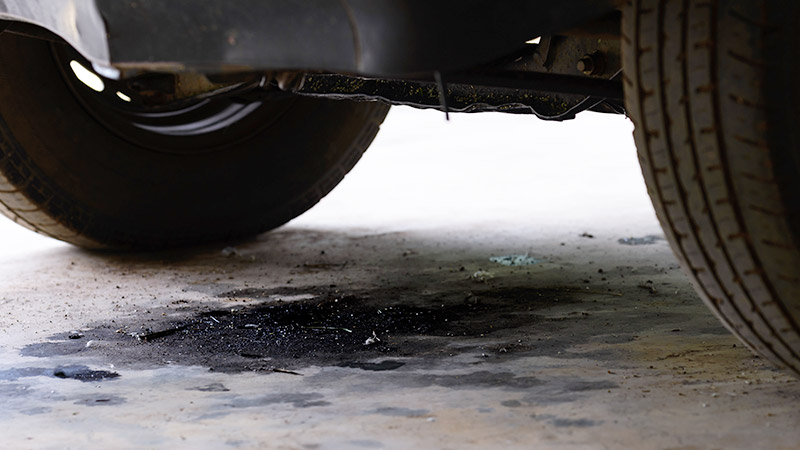
Finding an oil leak in your car can be scary. You might wonder if it’s okay to keep driving.
Knowing the dangers of oil leaks is key to keeping your car running well. Driving with an oil leak can harm your engine and even be dangerous.
Understanding Oil Leaks
An oil leak can be a small problem or a big warning sign. It depends on where it comes from and how bad it is. If not fixed quickly, oil leaks can cause serious engine damage.
What Causes an Oil Leak?
Oil leaks can happen for many reasons. They might be due to worn engine gaskets, damaged oil pans, or faulty seals. These parts can wear out over time, causing leaks.
- Deterioration of gaskets and seals due to age and wear.
- Damage to the oil pan from road debris or improper installation.
- Loose or improperly fitted oil filters.
Signs of an Oil Leak
It’s important to spot oil leak signs early. This helps fix the problem before it gets worse. Look out for:
- Oil puddles or spots under your vehicle.
- A burning smell, which could indicate oil is leaking onto hot engine components.
- A decrease in oil levels between changes.
Common Locations for Oil Leaks
Knowing where oil leaks often happen can help you catch problems early. These spots include:
- The oil drain plug, which can become loose over time.
- The oil filter, if it’s not properly tightened or is damaged.
- The valve cover gasket, which can deteriorate with age.
Understanding oil leaks helps you keep your car in good shape. It prevents engine damage from oil leak and other problems.
Risks of Driving with an Oil Leak
Driving with an oil leak is dangerous for your car and the environment. If you see an oil leak, it’s important to know the risks.
Potential Damage to the Engine
Driving with an oil leak can harm your engine. Engine oil keeps the engine’s parts moving smoothly. Without enough oil, these parts wear out quickly.
If you don’t fix the leak, you might need expensive repairs or a new engine. Also, the engine could overheat, causing more damage.
Fire Hazards from Oil Leaks
Oil leaks can also start fires. If oil spills on hot engine parts or electrical parts, it can catch fire.
This risk is higher if the leak is big or if you drive your car hard. Fixing oil leaks quickly is key to avoiding fires.
Environmental Concerns
Oil leaks are bad for your car and the environment. When oil spills on the ground, it can harm soil and water. This is bad for local wildlife and their homes.
Oil leaks also pollute the environment. They can hurt animals and their habitats. Fixing oil leaks fast helps protect the environment.
Short-Term Effects of an Oil Leak
Driving with an oil leak can harm your vehicle. Oil leaks can cause immediate problems that affect your car’s performance.
Decreased Engine Performance
When oil leaks, your engine may not run as well. You might notice less power or slower acceleration. Checking your oil regularly can help catch leaks early.
Warning Lights on the Dashboard
Modern cars have sensors for oil levels and pressure. If these sensors find a leak, they turn on dashboard lights. These lights warn you of possible engine problems.
| Short-Term Effect | Description | Potential Consequences |
| Decreased Engine Performance | Engine runs less smoothly due to low oil levels. | Reduced power, slower acceleration. |
| Warning Lights on Dashboard | Sensors detect low oil levels or pressure. | Alerts driver to potential engine damage. |
| Increased Risk of Engine Damage | Low oil levels can cause engine components to overheat. | Premature wear on engine parts. |
Knowing these effects can help you act fast if you think there’s an oil leak. Regular maintenance can stop small problems from becoming big ones.
Long-Term Consequences of Ignoring an Oil Leak
Not fixing an oil leak right away can cause big problems. It hurts your car’s performance and engine health.
Increased Repair Costs
Ignoring an oil leak can lead to higher repair bills. As the leak goes on, more engine parts get damaged. This might mean expensive fixes.
Common repairs for oil leaks include:
- Replacing damaged engine gaskets and seals
- Repairing or replacing the engine’s timing belt or chain
- Overhauling the engine due to severe damage
These repairs can cost a lot, from hundreds to thousands of dollars. It depends on the damage and your car’s type.
| Repair Type | Average Cost |
| Gasket Replacement | $500-$1,500 |
| Timing Belt/Chain Replacement | $300-$1,000 |
| Engine Overhaul | $2,000-$5,000 |
Deterioration of Engine Components
Not fixing an oil leak can harm engine parts. Engine oil keeps moving parts lubricated. Without it, parts wear out faster.
Regular maintenance is key. Oil changes and checks can spot leaks early. This prevents damage and saves money.
Fixing oil leaks quickly stops engine damage. It avoids costly repairs and keeps your engine in good shape.
Assessing the Severity of the Leak
Checking how bad an oil leak is can prevent more damage to your engine. You need to watch for signs of leaks and know what they mean.
Spotting Oil Puddles: What to Look For
Oil puddles under your car are a clear sign of a leak. Look for:
- The color and consistency of the liquid. Engine oil is dark brown or black. Coolant or brake fluid are different colors.
- The size of the puddle. A big puddle means a bigger leak.
- The frequency of puddles. Seeing puddles in the same spot often means a leak is ongoing.
Catching these signs early can save you money on oil leak repair.
Checking Oil Levels
Checking your oil levels regularly is key to figuring out the leak’s severity. Here’s how:
- Make sure your car is parked on a level surface.
- Turn off the engine and wait a few minutes.
- Use the dipstick to check the oil level. Compare it to what your owner’s manual says.
- If the level is lower than it should be, oil might be leaking from your engine.
By keeping an eye on your oil levels, you can see how fast oil is leaking. This is important for car maintenance for oil leaks. It helps you plan for repairs and avoid big leaks.
When to Stop Driving
Driving with an oil leak is dangerous. It’s important to know when to stop for your safety. An oil leak can cause many problems, like bad engine performance, serious engine damage, or even fires.
Signs That You Should Pull Over
If you see any of these signs, pull over and check:
- A big drop in oil levels
- Visible leaks under your vehicle
- Warning lights on your dashboard
- Unusual noises from the engine
Immediate action is required if you notice these symptoms to avoid more damage.
Ignoring the Leak: What Could Happen
Ignoring an oil leak can lead to serious issues, including:
| Consequence | Description |
| Engine Damage | Low oil levels can cause engine parts to overheat and fail. |
| Fire Hazards | Oil leaks can ignite, causing a fire that can damage your vehicle and pose a risk to your safety. |
| Increased Repair Costs | The longer you drive with an oil leak, the more extensive and expensive the repairs are likely to be. |
It’s crucial to fix an oil leak quickly to avoid these problems.
In conclusion, knowing when to stop driving with an oil leak is key for your safety and your vehicle’s health. By understanding the risks and acting fast, you can prevent serious damage and keep your vehicle in good shape.
Temporary Solutions Before Repair
If you’re facing an oil leak, there are a few quick fixes you can try before getting it fixed. These solutions aren’t a permanent fix, but they can help you get by for now.
Adding Oil for Short Trips
One quick fix is to add oil to your engine. This keeps it lubricated, which is good for short drives. But, you must keep an eye on your oil level and remember, this isn’t a long-term solution.
- Check your oil level regularly to ensure it’s at the recommended level.
- Use the correct type of oil for your vehicle as specified in your owner’s manual.
- Be cautious not to overfill, as this can cause other engine problems.
Using Oil Stop Leak Products
Another quick fix is oil stop leak products. They’re made to seal small leaks in the engine. But, how well they work depends on the leak’s size and where it is.
It’s essential to follow the product instructions carefully and understand that these products are not a permanent solution.
| Product Type | Description | Effectiveness |
| Oil Stop Leak Additives | Designed to seal minor leaks | Variable, depending on the leak severity |
| Oil Level Monitoring | Regular checks to maintain optimal oil levels | High, for managing short-term driving |
While these quick fixes can help with an oil leak, it’s crucial to get your car to a mechanic soon. They can give you a proper diagnosis and fix the leak for good.
Professional Inspection: When to Seek Help
If you’re facing an oil leak, getting a professional inspection quickly is key. An oil leak is not a small problem. It can cause serious engine damage if not fixed right away.
Finding a Reputable Mechanic
Fixing oil leaks in your car starts with finding a good mechanic. Look for someone who knows your car’s make and model. Check online reviews, ask friends, and look for ASE certifications to ensure quality service.
Here are some tips for finding the right mechanic:
- Check online reviews on platforms like Yelp or Google.
- Ask friends, family, or coworkers for recommendations.
- Look for ASE-certified mechanics.
- Check if the mechanic has experience with your car’s make and model.
What to Expect During an Inspection
During an inspection for oil leaks, your mechanic will first look for leaks under the car and around the engine. They’ll check gaskets, seals, and the oil pan for damage or wear. They’ll also check your oil levels and condition to see if there’s been a big leak.
The mechanic might use tools and techniques like:
- Visual inspections to find leaks.
- Pressure tests to find the leak’s source.
- Oil dye tests to track the leak’s origin.
Knowing what to expect during an inspection helps you tackle the problem quickly. This keeps your car in top shape.
Preventative Maintenance to Avoid Oil Leaks
Preventing oil leaks is key to car maintenance and can save you money. Regular maintenance tasks lower the risk of oil leaks. This keeps your engine healthy.
Regular Oil Changes
Regular oil changes are vital for your engine’s health. Fresh oil lubricates engine parts, reducing wear and tear. Change your oil every 5,000 to 7,500 miles, as your car’s manual suggests.
Driving with low oil can harm your engine. It can cause high engine temperature, poor fuel efficiency, and even engine failure. Regular oil changes prevent these issues by keeping your engine well-lubricated.
Engine Seals and Gaskets
Checking engine seals and gaskets is also important. These parts wear out and can leak oil over time. Regular checks can spot problems early.
As AAA’s Automotive Expert says, “Regular maintenance is crucial for your vehicle’s life. Oil changes and checking seals and gaskets prevent expensive repairs. This keeps your car running well for years.”
Combining oil changes with seal and gasket inspections greatly reduces oil leak risk. This approach saves money and ensures your car lasts longer.
Cost Implications of Repairing an Oil Leak
Knowing the cost of fixing an oil leak is key for car owners. The price can change a lot based on several things. These include where the leak is, how bad it is, and the cost of labor.
Average Repair Costs
The cost to fix an oil leak can be anywhere from a few hundred to several thousand dollars. For example, a leak from a bad gasket might cost around $200 to $500. This includes the gasket and the work to put it in.
If the leak damages other engine parts, the price goes up fast. For instance, if the engine’s head is damaged, the repair could cost over $1,000. This depends on how complex the fix is and the mechanic’s rates.
Factors Affecting Repair Prices
Several things can change the final cost of fixing an oil leak. These include:
- The type of vehicle: Cars with fancy or high-performance engines cost more to fix.
- The location of the leak: Leaks in tough spots can raise labor costs.
- Labor rates: Mechanics in cities or dealerships might charge more than independent shops.
- The extent of the damage: If other parts fail because of the leak, the repair will cost more.
Ignoring an oil leak can lead to bigger problems. This can include engine failure, which is very expensive to fix or might need a new engine.
To avoid these high costs, fix oil leaks quickly. Also, get regular car check-ups to catch problems early.
FAQs About Driving with an Oil Leak
Driving with an oil leak can worry many car owners. It’s important to know the risks and act fast to keep your car safe and running well.
Driving Short Distances with an Oil Leak
It might seem okay to drive a little with an oil leak. But, it’s better to fix it quickly. Driving more can hurt your engine or make safety issues worse. If you have to drive, watch your car closely.
Insurance Coverage for Oil Leak Damage
Insurance for oil leak damage varies by policy. Most auto insurance doesn’t cover damage from neglect or wear and tear, like oil leaks. Check your policy to see what’s covered. You might want comprehensive coverage for more protection.
Knowing the dangers of oil leaks in cars is key. Being informed and acting early can help avoid big problems from driving with an oil leak.
FAQ
Can I drive with an oil leak?
It’s possible to drive with an oil leak, but it’s not a good idea. Driving can cause serious engine damage, fire risks, and harm the environment.
What are the risks of driving with an oil leak?
Driving with an oil leak is risky. It can damage your engine, cause fires, and spill oil into the environment.
Can I drive short distances with an oil leak?
Driving short distances with an oil leak is still risky. Even short trips can harm your engine. It’s best to fix the leak quickly.
How do I assess the severity of an oil leak?
Check for oil puddles under your car and monitor your oil levels. The size and frequency of puddles show how bad the leak is.
Will my insurance cover oil leak damage?
Insurance coverage for oil leaks varies. Check your policy to see what’s covered. Some policies may help with repairs, others might not.
What are the consequences of ignoring an oil leak?
Ignoring an oil leak can lead to big problems. It can increase repair costs and damage your engine. As the leak gets worse, more parts can get damaged, leading to expensive fixes.
How can I prevent oil leaks?
To avoid oil leaks, keep up with regular oil changes. Also, check engine seals and gaskets often. This can catch issues before they get worse.
What are the average repair costs for an oil leak?
Repairing an oil leak can cost a lot. The price depends on the leak’s source, damage extent, and labor. Knowing these factors can help you prepare for the costs.
Can I use oil stop leak products to fix a leak?
Some products can temporarily seal minor leaks. But, they’re not a permanent fix. Always have a professional mechanic inspect and repair the leak.
How do I find a reputable mechanic to repair my oil leak?
To find a good mechanic, read reviews, ask for referrals, and check their certifications. A reliable mechanic can find the leak’s source and suggest the right repairs.
