

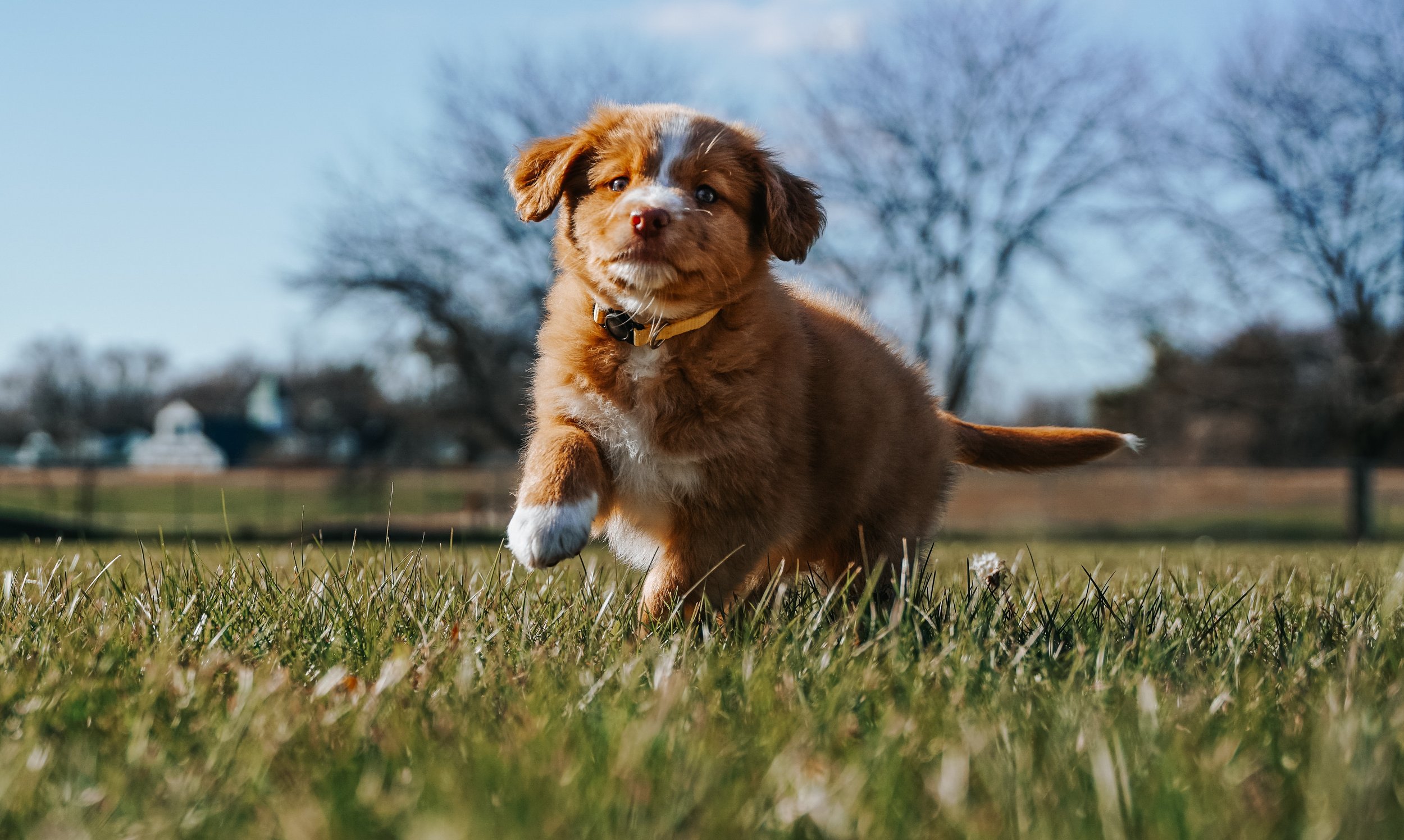
Bringing a puppy home is one of life’s most joyful decisions, but it also comes with responsibilities that shape the dog’s health, behavior, and emotional well-being. Puppies are curious, energetic, and rapidly developing, which makes early preventive care, structured routines, and gentle guidance essential. Establishing healthy habits from the first days helps prevent behavioral issues, supports immune development, and strengthens the bond between puppy and owner.
Understanding how daily routines, vaccinations, and mental stimulation work together allows owners to provide a balanced environment. Puppies thrive when they know what to expect, are challenged in safe ways, and receive consistent care. Attention to both physical and emotional needs during the early months ensures that learning, play, and growth progress in harmony.

Health and Preventive Care
Bringing a puppy home is exciting, but it comes with responsibilities that affect their health, behavior, and overall development. This article focuses on essential aspects of puppy care, including daily routines, vaccinations, preventive health measures, and digital tools that help owners stay organized. Taking a thoughtful approach from the start helps puppies build a strong immune system, develop healthy habits, and grow into confident, well-adjusted dogs.
Vaccinations are a key part of preventive care. They protect puppies from serious illnesses and allow them to safely explore, socialize, and attend training classes. Following a detailed puppy vaccine schedule ensures each dose is given at the right age, minimizing gaps in immunity. Core vaccines protect against diseases like distemper, parvovirus, and adenovirus, while non-core vaccines, such as Bordetella, leptospirosis, or Lyme disease, are chosen based on lifestyle and exposure risk. Proper timing also lets puppies safely participate in socialization activities and training sessions without compromising their health.
Wellness checks complement vaccinations and are an opportunity to monitor growth, detect early health concerns, and get guidance on feeding, exercise, and behavior. Even small changes in appetite, energy, or mood can indicate a need to adjust routines. Practical steps to integrate preventive care into daily life include:
- Keep a vaccination calendar to track shots and boosters.
- Monitor weight and body condition regularly to ensure steady growth.
- Include short mental stimulation or training sessions alongside meals to reinforce routine.
- Schedule regular vet visits for advice on diet, exercise, and behavior.
- Pair socialization with safe, vaccinated environments to encourage confidence and positive experiences.
Nutrition and structured daily routines go hand in hand with preventive care. Balanced meals provide energy for growth, support organ and bone development, and maintain healthy weight. Feeding at consistent times helps puppies understand daily structure, reduces stress, and encourages calm behavior. Using treats strategically during training reinforces learning without overfeeding. When combined with mental enrichment and gentle social exposure, these practices strengthen immunity, build emotional stability, and help puppies develop healthy habits that last into adulthood.
Structured Daily Routines
Predictable routines create emotional security and promote positive behaviors. Puppies flourish when feeding, play, exercise, training, and rest are consistent. A structured day helps puppies anticipate events, regulate energy, and develop confidence in their environment.
A young puppy’s day benefits from a predictable structure that balances activity, learning, and rest. In the morning, a brief potty break followed by breakfast sets the tone for the day. A short training session of five to ten minutes reinforces basic commands, and supervised play, such as gentle fetch or interactive toys, allows the puppy to release early morning energy in a positive way.
Midday is an opportunity for independent play or quiet crate time, helping the puppy develop self-soothing skills. Introducing simple mental challenges, like puzzle toys or scent-based games, keeps the mind engaged while also supporting housetraining through short potty breaks.
Afternoons can focus on outdoor exploration and gentle walks. These experiences provide not only physical exercise but also exposure to new environments, sounds, and social interactions. Training during walks reinforces obedience in real-life contexts, strengthening the puppy’s confidence and attentiveness.
Evenings should combine nourishment with calm engagement. Dinner can be followed by low-key play or short obedience exercises, helping to release any remaining energy. Ending the day with a quiet wind-down routine, including a final potty break, signals that it is time to rest, fostering a sense of security and routine for the puppy.
Even simple routines like this build predictability, reduce anxiety, and support overall behavioral development. Puppies who experience structured days are more likely to grow into calm, confident, and socially adaptable dogs.
Integrating Socialization and Confidence-Building
Socialization is most effective when it is safe, gradual, and consistent. Early exposure to new people, sounds, surfaces, and environments helps puppies navigate the world without fear. Gentle introductions, positive reinforcement, and supervised interactions build resilience and curiosity.
Confidence-building exercises can be integrated naturally into daily routines. For example, encouraging a puppy to explore a new room, climb onto a soft platform, or approach a novel object while rewarding calm behavior reinforces courage. Short, repeated sessions are more effective than long, stressful experiences. Puppies learn that new experiences are safe and rewarding, laying the foundation for adaptability throughout life.
Mental stimulation is as important as physical activity:
- Puzzle toys and scent games engage the mind.
- Short problem-solving challenges prevent boredom.
- Incorporate these activities into predictable routines to help puppies self-regulate and enjoy calm, independent moments.
By combining safe socialization, confidence exercises, and mental enrichment, puppies learn to approach new experiences with curiosity rather than fear. Over time, this foundation promotes adaptability, emotional resilience, and a well-rounded personality, setting the stage for a happy, confident adult dog.
Practical Guidance and Expert Support
Even with consistent routines, some puppies benefit from professional guidance. Early signs of anxiety or fear can be subtle, and timely intervention helps prevent long-term behavioral issues. Trainers and behavior specialists can advise on recognizing stress cues, building confidence, and adjusting training to match a puppy’s individual needs.
Digital tools make it easier for owners to apply expert advice. PawChamp offers professional courses developed by certified trainers covering obedience, socialization, and confidence-building exercises. These courses provide structured guidance that can be integrated into daily routines, helping puppies learn while owners stay organized.
Beyond training courses, PawChamp includes practical features such as growth trackers, vaccination reminders, enrichment planners, and interactive training logs. These tools allow owners to monitor development, schedule health tasks, and plan mental stimulation efficiently.
By combining expert knowledge with accessible digital support, owners can confidently implement training, health, and enrichment plans. This helps puppies develop positive behaviors, emotional resilience, and a secure bond with their caregivers.

Building Lifelong Habits
The goal of puppy care is to build habits that support health, behavior, and emotional well-being. Consistent routines, vaccinations, mental stimulation, and safe social exposure help puppies grow into confident, adaptable dogs.
Early guidance and predictable patterns prevent common anxiety issues and reinforce positive behavior. Simple actions, like watching behavior cues, keeping up with vaccinations, and adding daily enrichment have lasting effects.
A holistic approach that balances health, learning, and play creates a foundation for puppies to become resilient, well-adjusted companions.
