

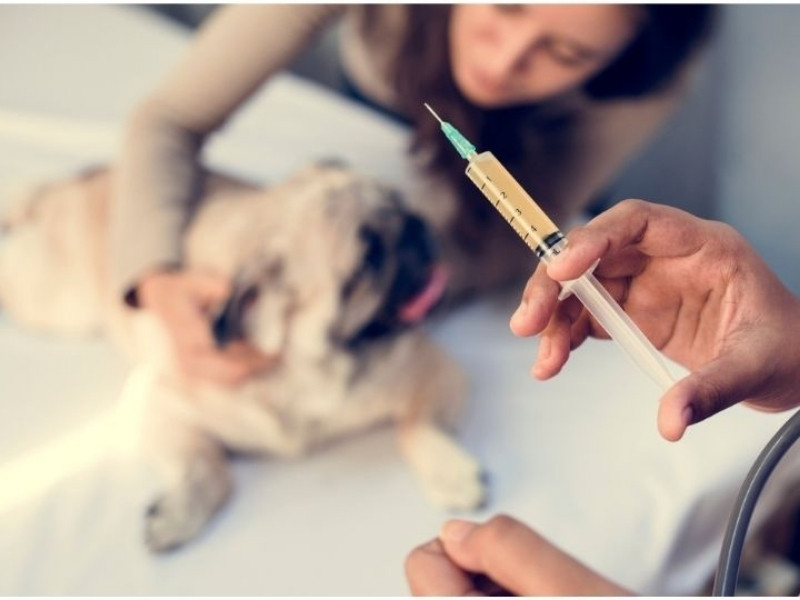
When you bring your pet to an animal hospital, you want one clear thing. You want safety. Vaccination programs protect your pet from painful disease, long hospital stays, and early death. They also protect you and your family from sickness that can pass from animals to people. Every shot follows proven science. Each vaccine is tested, tracked, and reviewed. You may worry about side effects or cost. You are not alone. Many pet owners feel fear or guilt when they delay a visit. Yet skipping vaccines leaves your pet exposed. It turns small risks into big emergencies. Routine vaccines keep care simple, fast, and less expensive over time. They also help your community. When most pets are protected, deadly outbreaks fade. If you ever feel unsure, a veterinarian in Groves, TX can explain which vaccines your pet needs, why they matter, and when to schedule them.
How Vaccines Guard Your Pet’s Body
Vaccines train your pet’s immune system to fight specific germs. The shot shows the body a safe form of the germ. Then the immune system learns to spot it and attack it fast. You may not see this work. Yet inside your pet, strong defenses stay on alert.
Without vaccines, many common germs spread in parks, yards, boarding kennels, and grooming shops. A quick sniff, lick, or scratch can pass disease. One visit with an infected animal can change your pet’s life. Vaccines cut that risk. They turn a likely threat into a rare event.
Federal and state experts review these vaccines. For example, the Centers for Disease Control and Prevention rabies guidance shows how vaccines stop a disease that is almost always fatal once signs start. You give your pet a shield that the body cannot build on its own.
Protecting Your Family And Your Community
Some animal diseases can move from pets to people. Rabies is one. Certain strains of flu and other infections can also spread. A bite, scratch, or contact with waste can be enough. Young children, older adults, and people with weak immune systems face the highest risk.
Core vaccines, such as rabies shots for dogs and cats, protect more than one life. They form a safety wall around your home. They also protect neighbors, delivery workers, and anyone who visits your house.
When enough pets in a town stay vaccinated, outbreaks struggle to grow. This is called herd protection. Sick animals have fewer chances to pass germs. As a result, fewer pets suffer. Animal hospitals see fewer crisis visits. You help every family in your community when you keep your own pet up to date.
Common Dog And Cat Vaccines
Every pet is unique. Yet many vaccines are common for most dogs and cats. Your veterinarian will adjust the plan based on age, health, and lifestyle.
| Species | Core Vaccine | Main Disease Prevented | Key Risk |
|---|---|---|---|
| Dog | Rabies | Rabies virus | Fatal brain infection that spreads to people |
| Dog | DA2PP | Distemper, adenovirus, parvovirus, parainfluenza | Seizures, organ damage, bloody diarrhea |
| Dog | Bordetella | Kennel cough | Harsh cough that spreads in group settings |
| Cat | Rabies | Rabies virus | Fatal brain infection that spreads to people |
| Cat | FVRCP | Feline viral rhinotracheitis, calicivirus, panleukopenia | Severe breathing problems and stomach disease |
| Cat | FeLV | Feline leukemia virus | Weak immune system and cancer risk |
This list is a starting point. Travel, boarding, outdoor access, and contact with other animals can change what your pet needs.
What To Expect At A Vaccine Visit
A vaccine visit is usually short. First, the team checks your pet’s weight, heart, lungs, and temperature. Then the veterinarian reviews past shots and current health. You can share any changes you see at home. New cough, change in energy, or new lumps all matter.
Next, your pet receives the vaccines. The shot may sting. Your pet may feel brief stress. The staff will guide safe handling and comfort steps. After the visit, your pet might feel tired or sore. A small lump at the shot spot can appear. These signs usually pass within a day or two.
Serious reactions are rare. Warning signs include trouble breathing, swelling of the face, or collapse. If you see these, you must call the animal hospital at once.
Why Delaying Vaccines Costs More
Some owners wait because money is tight or life feels busy. That choice carries a hidden cost. Treating preventable disease often costs far more than vaccines.
| Condition | Estimated Cost With Vaccine | Estimated Cost Without Vaccine | Outcome For Pet |
|---|---|---|---|
| Canine parvovirus | Low yearly cost for DA2PP shots | High cost for hospital care, fluids, and medicine | Risk of death even with treatment |
| Rabies exposure | Low cost for rabies shots | Quarantine or euthanasia plus human care | Almost always fatal once signs start |
| Feline panleukopenia | Low yearly cost for FVRCP shots | High cost for isolation and hospital care | High death rate in young cats |
Routine vaccines help you avoid emergency visits, long stays, and heartbreaking choices. You trade one short visit for a strong shield over many months.
How Often Does Your Pet Need Shots
Puppies and kittens need a series of shots. These usually start around six to eight weeks of age. They repeat every three to four weeks until about sixteen weeks. This schedule covers the time when their early immune protection from their mother fades.
Adult pets get boosters. Some are yearly. Others are every three years. The exact plan should follow expert guidance such as the schedules reviewed by veterinary schools and public health agencies. You can review disease information for dogs and cats from the American Veterinary Medical Association and then ask your veterinarian how it fits your pet.
Missed shots are common. You do not need to feel shame. You only need to restart. The team at an animal hospital can set a catch up plan that fits your life.
Taking The Next Step For Your Pet
You do not need to know every detail about each vaccine. You only need to ask clear questions, share your worries, and keep a simple schedule. You can bring your shot records, a list of questions, and notes about your pet’s daily life.
Vaccination programs in animal hospitals exist to protect your pet, your family, and your community. They turn fear into control. They turn sudden loss into long shared years. Your choice to vaccinate is a quiet act of courage that keeps your home safe.
