

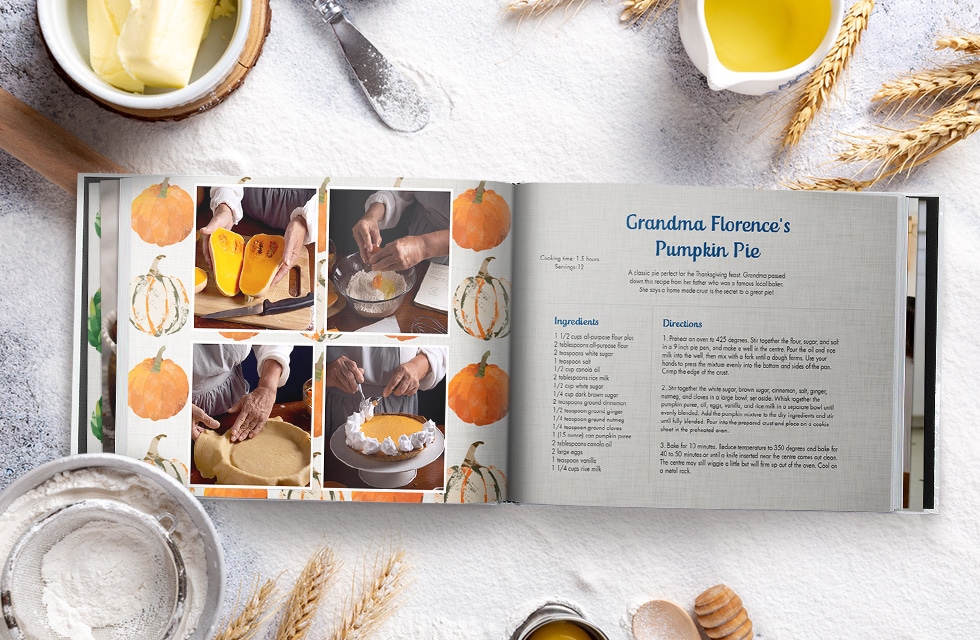
In an era dominated by screens, apps, and digital cookbooks, the tradition of preserving family recipes in a physical book remains deeply meaningful. A family recipe book is more than just a collection of ingredients and instructions — it’s a living archive of culture, history, and shared experiences that connect generations through food.
While modern technology has made discovering new dishes easier than ever, family recipe books continue to play a unique role in preserving personal stories, maintaining culinary heritage, and strengthening family bonds. Here’s why these books matter and how they can enrich your family’s relationship with food and tradition.
1. Preserving Culinary Heritage
Food is a powerful bridge to the past. Many family recipes come from grandparents or great-grandparents — dishes that were made for holidays, Sunday dinners, or special celebrations. Without a central place to document them, these recipes risk being lost as memories fade and traditions shift.
A family recipe book provides a space to record not just the directions, but also the stories behind the dishes: where they originated, why they were cherished, and what special occasions they accompanied. This creates a treasure trove of personal and cultural history that can be passed down through the years.
2. Strengthening Family Identity
Many families have a set of recipes that feel uniquely “theirs.” Whether it’s a secret sauce, a holiday pie, or a comfort-food casserole, these recipes contribute to a shared identity. A family recipe book formalizes these dishes, making them visible and memorable.
When relatives gather and contribute their favorite recipes, the book becomes a collaborative project — a tapestry of tastes that reflect the family’s diversity and unity. Each entry becomes a thread in the story of who your family is.
3. Encouraging Intergenerational Connection
Cooking is often a shared activity. Grandparents teach grandchildren how to roll dough, parents show teens how to measure spices, and siblings trade tips on roasting vegetables. A family recipe book becomes a touchpoint for these learning moments.
Younger generations can ask questions like: “Why is this recipe important?” or “Who taught you how to make this?” These conversations strengthen family bonds and encourage intergenerational learning, giving younger members a sense of belonging and continuity.
4. Documenting Techniques and Tips
A recipe isn’t just a list of ingredients and steps — it’s also a set of techniques, intuition, and tips that don’t always fit neatly into a standard format. Whether it’s the splash of wine a grandmother adds “to taste,” or the moment a recipe should be taken off heat “when it looks like this,” these nuances matter.
A family recipe book allows space for personal notes, variations, and contextual details that ordinary cookbooks often leave out. These additions make it easier for future cooks to recreate the dish as it was originally intended.
5. Encouraging Healthy Eating and Experimentation
Family recipes can also reflect healthy habits and local ingredients that were staples in earlier generations. By documenting meals that emphasize home-cooked simplicity, families can reconnect with more balanced eating practices. At the same time, a recipe book can be updated over time to include healthier variations or modern twists while honoring tradition.
Recording these recipes encourages experimentation — future cooks can adapt family favorites for different diets, preferences, or culinary trends, keeping the tradition alive while meeting contemporary needs.
6. Creating Lasting Memories
Food carries emotional resonance. The smell of baking bread can evoke memories of childhood kitchens; the taste of a familiar stew can bring comfort years after a loved one has passed. A family recipe book captures more than instructions — it captures moments.
Many people find that writing recipes by hand — with notes in the margins or slight reminders about preparation — reinforces memory and makes the cooking experience richer. These handwritten details make each entry feel personal and significant.
7. Building a Legacy Beyond Food
A family recipe book isn’t just about food — it’s about legacy. It communicates values like hospitality, generosity, patience, and creativity. It records moments when the family gathered, laughed, shared stories, and passed down traditions that had meaning beyond the kitchen.
Future generations may turn to the book not just to cook meals, but to connect with their roots, understand family traditions, and feel linked to relatives they may never have met.
Conclusion
In a time when recipes are readily available online and apps can store countless digital lists, the family recipe book remains uniquely valuable. It’s a personal, tangible, and deeply emotional way to preserve heritage, strengthen relationships, and celebrate the role of food in family life.
By documenting not only how a dish is made but why it matters, a family recipe book becomes an heirloom — a cultural artifact that captures identity, memory, and love. As families change and evolve, these books serve as anchors, connecting the past to the present and offering inspiration for future generations to create, share, and remember.
