

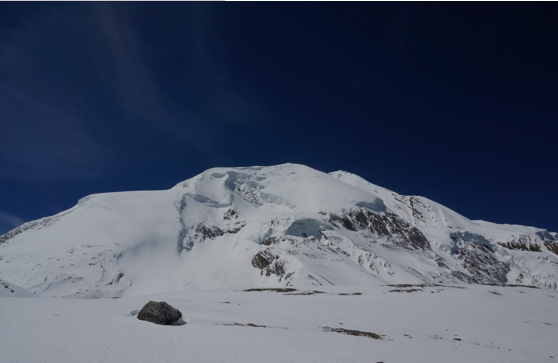
Located in the Annapurna Valley of Nepal, Thorong Peak, at 6144 meters, is a difficult high-altitude peak that involves stamina and technical expertise. It attracts mountain climbers in search of Himalayan adventure and the experience of acclimatization.
One cannot succeed on Thorong Peak without preparation and training. Fitness and stamina reduce health problems, raising the chances of a safe summit arrival. Good equipment and psychological preparation are important.
Training twice or thrice per week for two or three months before enhances endurance through cardio, strength, and hiking. It is imperative to learn the basics of mountaineering, such as using crampons and a rope. Practice progressing step by step at altitude contributes to acclimatization and confidence.
Understanding the Climb
The Thorong Peak climbing route is based on the Annapurna Circuit, which passes the Thorong La Pass, 5,416m. It takes the form of a wonderful trek through various terrains, Gurung villages, and breathtaking Himalayan landscapes, leading to the peak of 6144m.
The Thorong La Pass route is characterized by slow ascending stages with acclimatization breaks at Thorong Phedi and base camp. Climbers not only have physical difficulties associated with elevation and steep ascents, but also have gorgeous mountain views and cultural experiences along the way.
Thorong Peak is not a very technical one, but it demands good fitness and acclimatization to achieve it. There can be steep snow or rocky areas above, which can be approached with very basic mountaineering hardware and skills, such as the mastery of crampon use, but it is not serious technical climbing.
Physical Fitness Requirements
Thorong Peak climbing requires cardiovascular endurance because of the long routes and elevated altitude. Regular cardiovascular activities such as running, cycling, and hiking develop the stamina that is required to support long-term intense physical activity.
Leg strength is essential when climbing mountains and rough roads. Squats, lunges, and hiking exercise gives the body energy and stability in climbing difficult parts of the peak.
The core strength provides the balance and minimizes the risk of injuries during climbing. Basic exercises on the rocky snow slopes provide stability that enables climbers to have control and good posture when they are carrying heavy equipment on steep roads.
Strength Training
quats target the quadriceps, hamstrings, and glutes, building the leg strength needed for steep climbs. Routine squats enhance muscle strength and stability in the knees and alleviate fatigue in prolonged ascents over rough surfaces.
Lunges achieve balance, coordination, and unilateral leg power. Forward and side lunges resemble climbing movements, which help the muscles to adapt to the diverse demands of trekking with heavy loads on mountain roads.
Step-ups are used to imitate climbing uphill, and they help build stronger legs and exercise their joints. Training on higher steps helps to improve climbing speed and stability on rocky trails and high steps in the more difficult parts of Thorong Peak.
Weighted backpack training develops loading strength and endurance. Wearing backpacks is a form of exercise that trains the muscles for their actual expedition conditions, enhances posture, minimizes the risk of injury, and gets the body used to intense physical activity.
Cardio and Stamina Building
Regular hiking, running, and cycling develop the cardiovascular fitness needed to climb long distances. These exercises raise heart performance and lung capacity and enable the climbers to withstand the constant exercise at higher altitudes when ascending Thorong Peak.
Interval training switches the high-intensity bursts with recovery moments. This training enhances aerobic capacity and fatigue resistance, trains the body to handle sharp climbs and random intensity of effort on the route.
Regular stamina training enhances stamina with time. Progressively increasing duration and intensity training can condition the muscles and cardiovascular system to be more resilient to high altitude stresses and long hiking days needed to complete a successful Thorong Peak climb.
Altitude Training and Acclimatization
Getting used to thin air requires slow exposure to varying altitudes to allow the body to acclimate to the lower oxygen levels. In turn, this will help to reduce the chances of altitude sickness and improve climbing performance at high elevation.
Trail hikes at a moderate altitude are a great way to train the body as it adapts to the lack of oxygen. Repeated ascents and descents in stages will help in acclimatization and allow you to progress while attempting the Thorong La Pass and summit.
“Climb high, sleep low” is another acclimatization method used. The principle avoid rapid altitude gain as much as possible. Stay highly hydrated, allow your body to rest, don’t skip your meals, and avoid drinking alcohol or smoking, as these can affect the absorption of oxygen at altitude.
Technical Skills Preparation
If you’re going to traverse the upper slopes of Thorong Peak, you should be familiar with the techniques and equipment necessary to scale the steep snow and icy sections close to the summit. Mastery of crampons, ice axes, and ropes will ensure stability, traction, and the ability to self-arrest when the conditions are unsafe.
Pre-climb mountaineering courses will teach you the basic techniques to walk efficiently and effectively in crampons, ice axe self-arrest, and rope handling. The emphasis on hands-on training will ensure you are competent, confident, and are practiced during the course.
Avalanche awareness training, weather assessments, and emergency procedures and actions are also part of any pre-climb course. You should understand that the contingent plans of the course will enable you both a heightened level of safety and an increase in the likelihood of success. It is highly recommended that you undertake professional instruction before attempting the more technical sections of Thorong Peak.
Mental Preparation
Resilience is critical to survive erratic weather, long walking hours, and physical fatigue. Mental toughness assists the climbers to remain focused, motivated, and positive in the face of difficult conditions on Thorong Peak.
The ability to cope with stress and be calm can be achieved by implementing mindfulness, meditation, and visualization. Having achievable targets and acknowledging minor achievements can keep motivation levels and confidence high through hard times.
Embracing failure as an experience allows one to get frustrated. Take breaks when necessary, stay socially connected, and exercise mental flexibility to defeat fatigue and learn how to handle stressful mountain conditions safely and effectively.
Gear Preparation
The climbing gear you need is properly insulated mountaineering boots that fit crampons, crampons, ice axe, helmet, harness, ropes, carabiners, and warm layered clothes. Also, essential are the trekking poles, headlamp, and a quality pair of sunglasses.
Renting equipment in Nepal, and especially in Kathmandu or Pokhara, is a convenient and cost-effective way to have quality climbing gear, while only paying for use. Renting equipment saves baggage weight. Lastly, rented equipment is more likely to suit you (the climber) to local conditions and more recent gear preference standards.
Buying equipment is appropriate for climbers who go frequently or want their own long-term personal gear. High-cost technical climbing gear can be rented to save on monetary and physical expense.
Nutrition and Health
Carbohydrates (as a source of energy), moderate protein (as a muscle-recovery measure), and healthy-fat grains (as a source of stamina) should be the pre-expedition diet. Whole grains, vegetables, and fruits make the body ready to continue physical activity.
It is also important to stay hydrated at high elevations; climbers are recommended to drink 3-4 liters a day to fight against dry air and breathing difficulties. Electrolyte drinks ensure that the minerals are balanced.
Prevention of altitude sickness involves slow ascending, rest days, and nutrition. Eating when anorexic, avoiding alcohol and smoking, drinking warm fluids will help acclimatize and keep energy, minimize the symptoms, to see things through during the Thorong Peak climb.
Conclusion
Comprehensive physical conditioning, technical expertise, equipment, and acclimatization to the altitude are key to a safe summit of Thorong Peak. These success preparations are supplemented by balanced nutrition and mental strength.
Intelligent training that combines cardiovascular, strength, and mountaineering courses develops your ability to sustain long periods of physical exercise, particularly while carrying loads over difficult terrain and at high altitude. The right hydration, slow climb, and rest days will minimize the risks of altitude sickness and overall endurance during the climb.
Commit fully to preparing and professional vigilance. Take expert advice from your climbing excursions, respect mountain conditions, and train with purpose. This attitude will improve safety and increase the likelihood of a life-changing, incredible Thorong Peak summit experience.
