

Walk into almost any home with young kids and you will likely spot at least one Mattel toy tucked into a corner or displayed proudly on a shelf. These familiar items often carry a sense of comfort, sometimes even nostalgia, yet many families don’t always think about how much learning is happening each time a child picks one up. When you look closely, you begin to see how Mattel’s toys quietly support emotional development, creativity, and essential problem-solving skills. The company has shaped childhood experiences for decades, and its influence continues to evolve as research on learning deepens.
How Play Shapes Early Skills
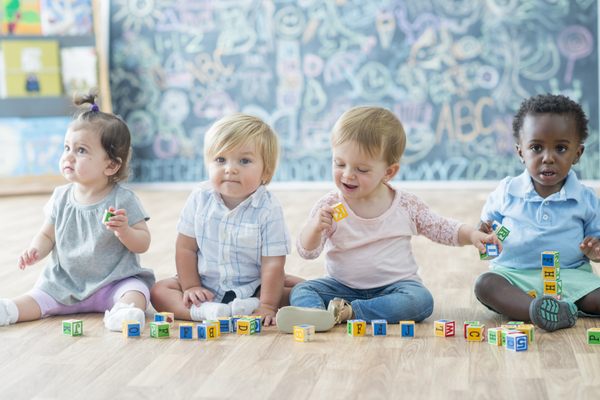
Children learn through play. It sounds simple, but early development hinges on these small moments when a child explores an object, mimics a story, or tries out a new idea. Mattel’s toys are often designed with those micro-learning moments in mind. A set of building blocks, for instance, helps kids understand balance more intuitively than any explanation could. The same goes for shape-sorting toys or basic puzzles. Kids test, fail, adjust, and try again. That process lays the foundation for both cognitive and motor skills, and they barely notice how much practice they are getting because play keeps the experience light.
Encouraging Creativity and Storytelling
One of Mattel’s largest contributions to child development is the way many of its toys encourage open-ended creativity. Barbie, for example, has been reimagined in countless ways over the years, but at her core she remains a character children can shape into whatever role they choose. Some days Barbie becomes a veterinarian. Other days she is exploring outer space. Through these imaginative shifts, kids learn to build stories, manage social scenarios, and express their own interests. A single toy becomes a flexible tool for trying on new identities. You sometimes see a child spinning out a whole world while sitting on the living room floor, and you can almost feel the creativity stretching outward.
Building Social and Emotional Understanding
Many Mattel toys also help kids explore early emotional intelligence. Doll play gives them room to rehearse difficult conversations or practice empathy in small, manageable scenes. Even simple pretend interactions, like comforting a doll after a pretend fall, give children a safe way to understand feelings in themselves and others. The same concept shows up when kids play with group-oriented games from brands like Fisher-Price. Sharing, taking turns, or working together becomes part of the fun. Social skills develop quietly in the background.
Supporting Early STEM Curiosity
STEM learning might feel like something reserved for school, but the earliest sparks often show up at home. Mattel’s building sets, vehicle tracks, and mechanical toys expose children to basic physics. A car that zooms faster down a steeper ramp. A tower that leans when blocks are stacked unevenly. These small discoveries build a natural kind of scientific curiosity. Children begin asking why something works the way it does. They test predictions without realizing they are doing science. When toys are designed well, they invite questions instead of providing answers too quickly.
Introducing Real-World Concepts Through Play
Some Mattel lines gently introduce children to careers, daily routines, and community roles. Little People sets, for example, often revolve around recognizable environments like farms, neighborhoods, or service stations. This type of play gives kids a starting point to understand the world around them. The details are simple enough for toddlers to grasp, yet meaningful enough to spark early conversations about how things work. When a child repeats a grocery store scene over and over, they are practicing order, communication, and sequencing. It seems like fun, which it is, but it is also the beginning of real-world understanding.
Keeping Play Inclusive and Evolving With the Times
One notable shift has been Mattel’s commitment to inclusivity. In recent years, the company expanded its doll lines to include more body types, abilities, skin tones, and cultural backgrounds. These changes go far beyond aesthetics. Representation helps children feel seen, and it teaches them to value differences. When kids grow up with toys that reflect a wide range of experiences, their worldview grows wider too. You notice this when a child casually reaches for a doll with a wheelchair or a doll that looks different from themselves without a second thought. It becomes normal, which is the point.
Keeping Play Approachable
Mattel’s influence on childhood learning goes much deeper than most people realize. The toys that seem simple on the surface often carry layers of developmental value. They help children make sense of their world. They encourage imagination and emotional growth. They support the earliest stages of problem-solving, communication, and scientific thinking. You can see it in the small everyday interactions, like a child building a tower slightly taller than yesterday or inventing a new story for a familiar doll. Play keeps learning approachable, and Mattel’s long history in toy design ensures that each generation has tools that meet them where they are.
