

People no longer download a handyman app just to book a repair service. They expect speed, transparency, convenience, real-time updates, and an experience that feels effortless from start to finish. If your platform misses even one of these expectations, users quickly move to competitors offering smoother experiences.
That’s why businesses investing in handyman mobile app development are focusing less on “extra” features and more on practical functionality users genuinely value. Modern customers don’t care about flashy screens or complicated systems. They want an app that solves problems fast, helps them trust the service provider, and makes booking simple.
The demand for on-demand home services is rising rapidly across plumbing, electrical, cleaning, painting, carpentry, and appliance repair sectors. Along with this demand comes fierce competition. Businesses entering this market must understand that success depends heavily on delivering the best handyman app features that directly improve customer experience.
So, what exactly do users care about most?
Top Handyman App Features to Have in Your App
Here are the must-have features every successful handyman app should include.
►Easy User Registration and Login
The first interaction with your app should feel effortless. Users do not want to spend time filling out lengthy forms just to book a repair service. A smooth onboarding process increases conversions and reduces app abandonment rates significantly.
Modern handyman apps should support:
- OTP verification
- Google sign-in
- Apple login
- Social media authentication
- Biometric login
Businesses investing in handyman mobile app development are prioritizing simple registration systems because convenience directly affects retention. The easier it is to enter the app, the faster users move toward booking services.
►Smart Service Categorization
Users open handyman apps because they need quick solutions. If services are poorly organized, they may leave within seconds. Proper categorization helps users instantly locate the service they need without confusion.
A well-structured handyman app should include categories such as:
- Plumbing
- Electrical repairs
- Carpentry
- Painting
- Home cleaning
- Furniture assembly
- Appliance repair
- AC servicing
Using icons, filters, and search functionality improves navigation even further. One of the best handyman app features is a clean user experience that reduces effort during service discovery.
►Real-Time Booking and Scheduling
Customers expect instant booking functionality. Nobody wants to wait for callbacks or manual confirmations when requesting urgent home services.
A real-time booking system should allow users to:
- Choose services
- Select preferred dates
- Pick available time slots
- Add custom instructions
- Receive instant confirmation
This feature streamlines the entire process while improving operational efficiency for service providers. Real-time scheduling also minimizes booking conflicts and enhances user satisfaction.
►Live GPS Tracking
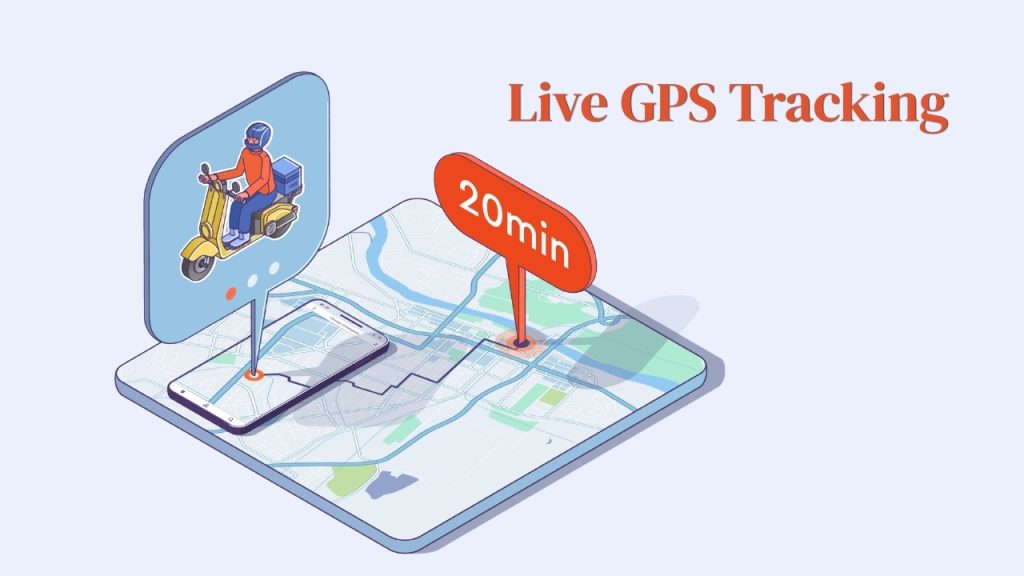
Transparency plays a major role in customer trust. Users want to know exactly where the handyman is after confirming a booking.
Live tracking features allow customers to:
- View technician location
- Track arrival time
- Receive delay notifications
- Monitor route progress
This reduces customer anxiety and decreases unnecessary support calls. GPS tracking creates a better service experience and improves reliability perception for your platform.
►In-App Chat and Calling
Communication gaps often create service-related issues. That is why integrated messaging and calling systems are important for handyman apps.
Users may need to:
- Explain the issue
- Share landmarks
- Clarify repair details
- Send photos of damaged items
- Ask service-related questions
Built-in communication tools make interactions faster while protecting personal contact information. Image-sharing features also help professionals arrive better prepared for the task.
►Transparent Pricing Estimates
Customers dislike hidden costs. Pricing uncertainty is one of the biggest reasons users abandon service apps before completing bookings.
Your handyman app should clearly display:
- Estimated service charges
- Hourly rates
- Material costs
- Additional fees
- Taxes
Transparent pricing builds trust and minimizes disputes. Some advanced apps also provide AI-based price estimations depending on repair complexity and service duration.
When customers know the expected cost upfront, they are more likely to complete bookings confidently.
►Multiple Payment Methods
Flexible payment options improve convenience and increase booking completion rates. Users expect secure and fast checkout experiences.
A modern handyman app should support:
- Credit cards
- Debit cards
- UPI payments
- Digital wallets
- Net banking
- Cash payments
Secure payment gateways with encrypted transactions also help protect customer data and improve platform credibility.
Adding auto-generated invoices and payment receipts further enhances professionalism.
►Ratings and Reviews System
Users trust customer feedback more than advertisements. Before hiring a handyman, people often check ratings and previous customer experiences.
A review system should allow users to evaluate:
- Work quality
- Professional behavior
- Punctuality
- Communication
- Overall satisfaction
Verified reviews improve trust while motivating service professionals to maintain high standards. Displaying top-rated technicians can also help users make faster decisions.
►Service History and Rebooking
Many users require recurring maintenance services. Access to service history makes repeat bookings much easier and more convenient.
Users appreciate features like:
- Previous bookings
- Technician details
- Payment history
- Downloadable invoices
- One-tap rebooking
This saves time and improves user retention. Businesses can also use service history data to offer personalized recommendations and promotions.
►Push Notifications and Alerts
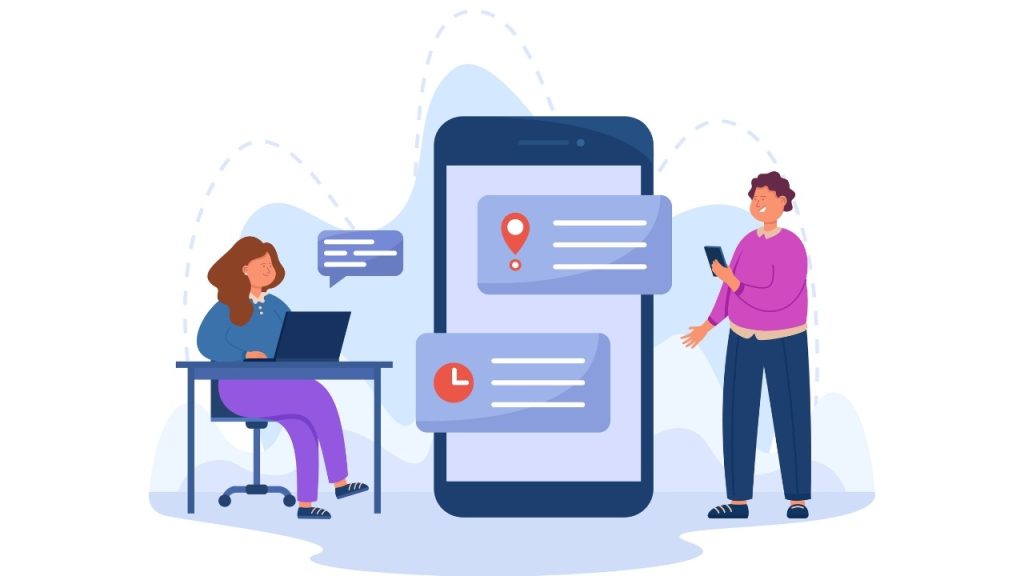
Push notifications help keep users informed throughout the booking journey. Timely updates improve engagement and reduce confusion.
Important notifications may include:
- Booking confirmations
- Technician arrival alerts
- Payment confirmations
- Promotional offers
- Service reminders
However, notifications should remain relevant and non-intrusive. Excessive alerts can frustrate users and lead to app uninstalls.
Personalized notifications usually perform better than generic promotional messages.
►Advanced Search and Filters
Users want quick access to the right professionals without scrolling endlessly. Advanced search functionality improves service discovery and saves time.
Helpful filters may include:
- Ratings
- Distance
- Availability
- Pricing
- Service type
- Experience level
Smart filtering improves the overall customer experience and helps users make informed booking decisions faster.
►Technician Profiles
Trust matters significantly in home service businesses. Customers want confidence before allowing someone into their homes.
Detailed technician profiles should display:
- Experience
- Certifications
- Skills
- Ratings
- Reviews
- Completed jobs
Professional profiles help build credibility and improve customer trust in your platform.
Adding profile verification badges can further increase confidence among users.
►Emergency Service Booking
Urgent home issues require immediate assistance. Users facing plumbing leaks, electrical failures, or appliance breakdowns often need quick support.
Emergency booking functionality allows customers to request priority services instantly. Features may include:
- Express booking
- 24/7 availability
- Emergency technician dispatch
- Faster response times
This feature can become a major competitive advantage for handyman businesses.
►AI-Based Service Recommendations
Artificial intelligence is transforming on-demand service platforms. AI-powered recommendations help users discover relevant services based on their preferences and booking history.
Examples include:
- Seasonal maintenance reminders
- Personalized repair suggestions
- Frequently booked services
- Smart upselling opportunities
AI-driven personalization improves user engagement while increasing platform revenue opportunities.
Conclusion
A successful handyman app is not built around flashy design alone.
Users care about convenience, transparency, fast booking, secure payments, real-time tracking, and reliable communication.
The more seamless the experience feels, the higher the chances of customer retention and repeat bookings.
Businesses entering this competitive market should focus on features that genuinely solve user problems and simplify everyday home service needs.
By integrating the right functionality, companies can create a handyman platform that not only attracts users but also builds long-term trust and customer loyalty.
