

If you have spent any time browsing wellness shelves or scrolling health forums lately, you have probably noticed one ingredient popping up again and again: fisetin. It is not as famous as vitamin C or omega-3, but it is quietly becoming one of the most talked-about additions to daily supplement routines across the UK.
So what is driving this shift? And is a fisetin supplement actually worth considering, or is it just another passing trend? Let us take a closer look.
What Exactly Is Fisetin?
Fisetin is a natural flavonoid found in small amounts in everyday fruits and vegetables, including strawberries, apples, onions, and cucumbers. While you could technically get trace amounts from your fruit bowl, the quantities are far too low to match what researchers use in studies. That gap is exactly why a concentrated fisetin supplement has become appealing to people who want a more meaningful dose without eating kilograms of strawberries every day.
The Science Behind the Growing Interest
Much of the buzz around fisetin comes from its classification as a senolytic compound. In simple terms, senolytics are substances being studied for their potential to help the body clear out old, dysfunctional cells that no longer function properly. As we age, these cells can accumulate and are thought to contribute to the general wear and tear associated with getting older.
Researchers have also been examining fisetin for its antioxidant properties. Antioxidants help neutralise free radicals, the unstable molecules linked to cellular stress. While human trials are still developing, early laboratory and animal research has been promising enough to keep scientists, and now the public, genuinely curious.
A Compound With Multiple Angles of Interest
What makes fisetin particularly interesting is that it is not being studied for just one narrow purpose. Current areas of research include:
- Cellular ageing and senescence
- General antioxidant support
- Cognitive health and brain function
- Everyday inflammation response
This breadth is part of the reason a fisetin supplement appeals to such a wide range of people, from those focused on longevity to those simply wanting broader daily wellness support.
Why UK Consumers Are Paying Attention
The UK supplement market has matured considerably over the last few years. People are no longer satisfied with vague marketing claims. There is a growing appetite for ingredients backed by genuine research, and fisetin fits that mould well.
There is also a cultural shift happening around ageing itself. Rather than viewing supplements purely through an anti-ageing lens, many UK consumers are reframing the conversation around healthy ageing and long-term vitality. A fisetin supplement slots neatly into that mindset because it is discussed less as a quick fix and more as a proactive, long-term addition to a health routine.
How People Are Using Fisetin Day to Day
Most people taking a fisetin supplement are not doing so in isolation. It typically sits alongside other habits such as regular exercise, a varied diet rich in plants, and other evidence-informed supplements. Think of it as one piece of a broader puzzle rather than a standalone solution.
A Few Practical Tips
If you are considering adding fisetin to your routine, a few simple points are worth keeping in mind:
- Look for products that clearly state fisetin content per serving, rather than vague blends.
- Consider taking it with a meal containing some fat, since flavonoids like fisetin may be better absorbed this way.
- Be patient. Cellular-level changes are not something you feel overnight.
- Speak with a healthcare professional first, particularly if you take medication or have an existing health condition.
Separating Hype From Reality
It is worth being honest here. Fisetin research is still evolving, and much of the most striking data so far comes from laboratory and animal studies rather than large-scale human trials. That does not make the interest unfounded, but it does mean expectations should stay realistic.
The sensible approach is to view a fisetin supplement as part of a long-term wellness strategy rather than a miracle ingredient. Combined with good sleep, movement, and nutrition, it becomes a reasonable addition rather than an isolated bet.
Final Thoughts
The rising interest in fisetin reflects a broader change in how people approach their health. There is less appetite for short-term fixes and more genuine curiosity about ingredients with a real scientific story behind them.
Whether you are simply curious or actively researching ways to support healthy ageing, fisetin is a compound worth understanding properly before deciding if it belongs in your routine.
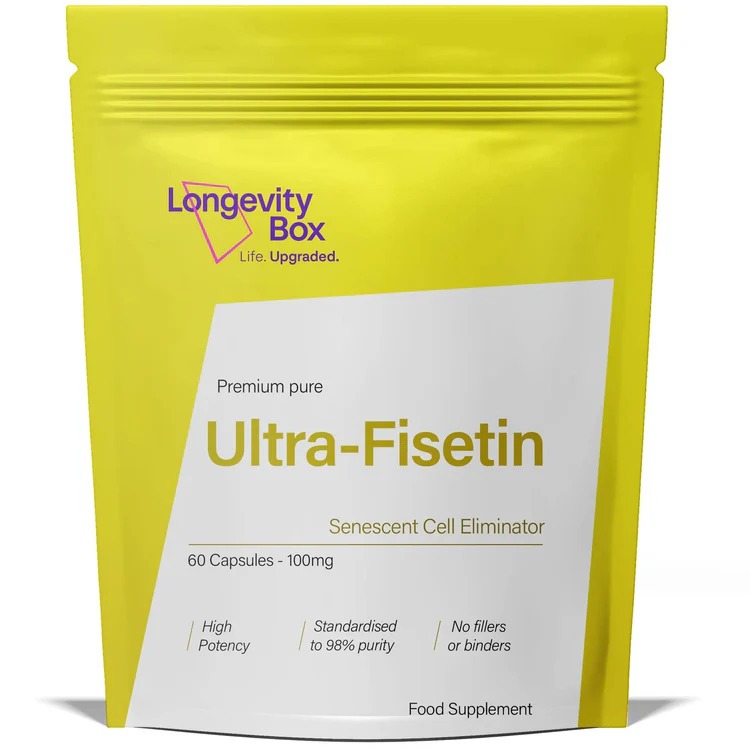
If you would like to explore a carefully formulated option, Longevity Box offers a fisetin supplement designed with quality and transparency in mind, making it easy to take the next step with confidence.
