

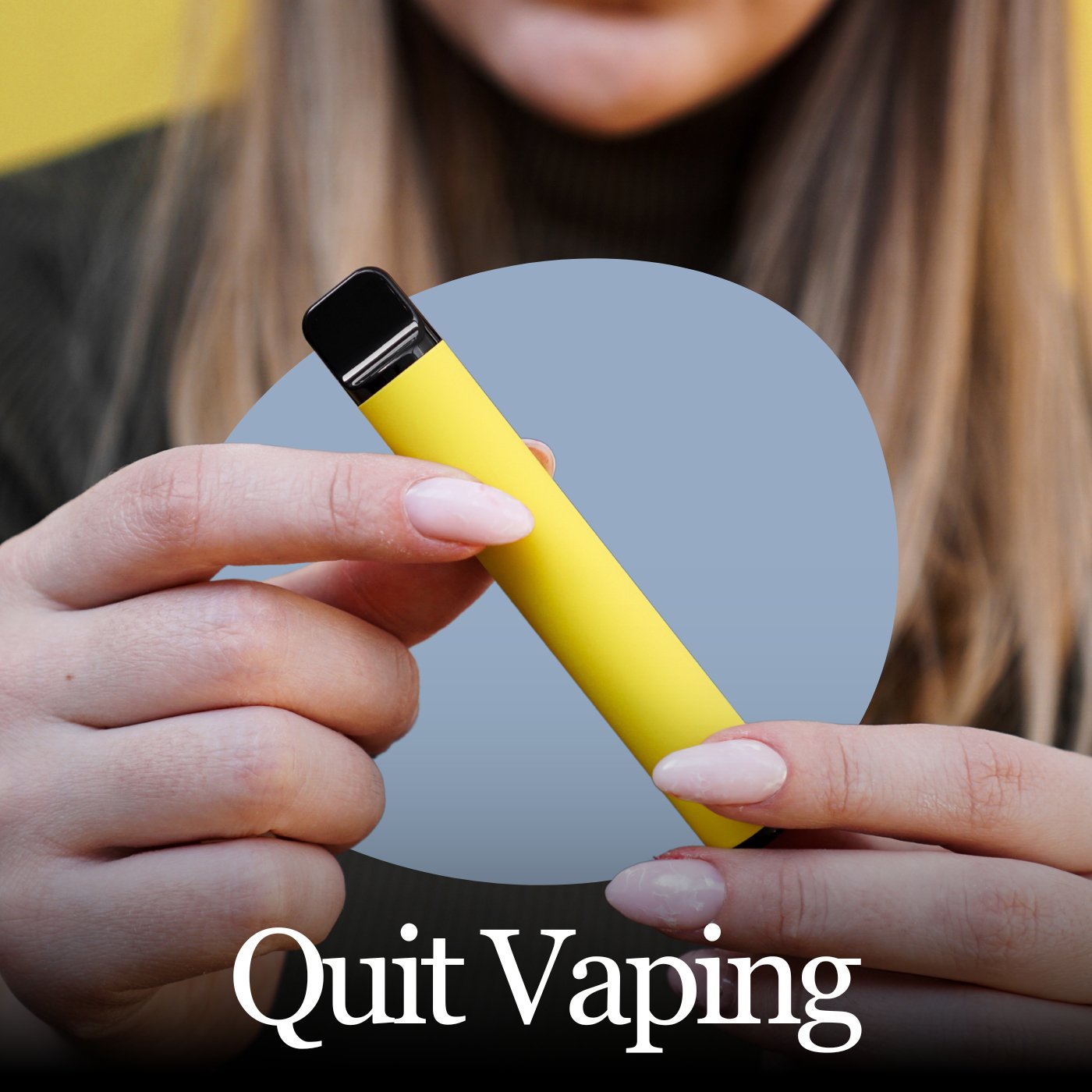
Vaping, once introduced as a safer alternative to smoking, has quickly evolved into a widespread and concerning addiction, especially among teenagers and young adults. Marketed with enticing flavors and sleek devices, vaping seemed harmless at first glance. However, the growing body of research now paints a different picture—one of dependence, health risks, and long-term consequences. Quitting vaping is not just a personal choice; it’s an essential step toward reclaiming your health and freedom. Understanding the nature of Quit vaping addiction and learning how to break free from it is the first step on this important journey.
Understanding Vaping and Its Addictive Nature
At its core, vaping involves inhaling an aerosol produced by heating a liquid that usually contains nicotine, flavorings, and other chemicals. While it may not contain the tar and many of the harmful toxins found in cigarettes, most vape products do contain nicotine—one of the most addictive substances known. Nicotine stimulates the release of dopamine in the brain, creating feelings of pleasure and reinforcing the desire to continue using it. Over time, this leads to physical and psychological dependence. Unlike smoking, vaping is often more discreet and accessible, making it easier to overuse and harder to quit.
The Rise of Vaping Among Youth
One of the most alarming aspects of the vaping epidemic is how it has gripped the younger population. E-cigarette companies have been criticized for targeting teens with flavors like mango, bubble gum, and cotton candy. Combined with social media trends and peer pressure, vaping has become a symbol of modern youth culture. But beneath this trendy image lies a serious problem. Many young users are unaware of the addictive properties of nicotine and the long-term impact on brain development, especially in adolescents whose brains are still maturing. This makes early addiction not only more likely but also more difficult to break.
Health Risks of Vaping
While vaping is often seen as less harmful than smoking traditional cigarettes, it is far from risk-free. Inhaling the aerosol can expose users to a range of harmful substances, including heavy metals, volatile organic compounds, and cancer-causing agents. Recent reports have also linked vaping to lung injuries, respiratory issues, and cardiovascular problems. Nicotine itself poses significant health risks—raising blood pressure, increasing heart rate, and contributing to heart disease. For younger users, it can also impair cognitive function, attention, and memory. The illusion of safety surrounding vaping is dangerous, making awareness and education more critical than ever.
Why Quitting Vaping is Difficult
Breaking free from vaping addiction can be uniquely challenging. Unlike traditional cigarettes, vape pens and e-cigarettes are often designed for constant use—easy to carry, easy to hide, and socially acceptable in many environments. The habitual hand-to-mouth action, the flavors, and the ritual of vaping all contribute to psychological dependence. Many users find themselves reaching for their device out of boredom, stress, or routine. The physical withdrawal symptoms—such as irritability, cravings, anxiety, and sleep disturbances—can be intense, making relapse common. This is why quitting often requires a thoughtful plan and strong support system.
Steps Toward Quitting
Successfully quitting vaping begins with setting a clear and personal reason for wanting to stop. Whether it’s for your health, your finances, or to break free from dependence, a strong “why” can keep you motivated. Next, set a quit date and remove all vaping products from your home, car, and workplace. Inform friends and family so they can support you. Identifying your triggers—such as stress, boredom, or social situations—and developing healthier coping mechanisms is essential. This could include exercise, journaling, deep breathing, or engaging in hobbies. For some, quitting cold turkey works best, while others may benefit from a gradual reduction in use.
Tools and Resources That Can Help
Fortunately, there are many tools available to assist in quitting vaping. Nicotine replacement therapy (NRT), such as patches, gum, or lozenges, can help ease withdrawal symptoms and reduce cravings. Behavioral therapies and counseling, whether in person or online, provide strategies to manage the psychological aspects of addiction. Mobile apps like QuitNow!, MyQuit Coach, or Smoke Free offer support communities, tracking features, and motivational content. For teens and younger adults, school counselors, health educators, and peer support groups can play a pivotal role. It’s also important to talk to your doctor, who can recommend personalized quit plans or prescribe medications if needed.
Coping With Withdrawal and Cravings
Nicotine withdrawal is uncomfortable, but temporary. Most symptoms peak within the first few days and gradually fade over the following weeks. Cravings, however, can linger longer, especially in situations tied to the habit. When cravings hit, delay using by five minutes and distract yourself—go for a walk, drink water, or call a friend. Practice mindfulness and remind yourself of your reasons for quitting. Positive self-talk, such as “I’m stronger than this urge,” can reinforce your resolve. Keeping your hands and mouth busy with alternatives like chewing gum or stress balls can also help redirect the habitual behaviors tied to vaping.
The Long-Term Benefits of Quitting
While the process of quitting can be tough, the benefits are well worth the effort. Within just 20 minutes of stopping vaping, your heart rate begins to normalize. In the days and weeks that follow, your lung function improves, your sense of taste and smell returns, and energy levels increase. Over time, the risk of heart disease, stroke, and lung damage significantly decreases. Beyond the physical benefits, quitting vaping also brings emotional rewards—improved self-esteem, freedom from cravings, better financial health, and a renewed sense of control. For young users, it means reclaiming brain health and laying a stronger foundation for the future.
A Message of Hope and Empowerment
Vaping addiction can feel like an invisible chain—subtle but strong, familiar but damaging. Yet, like any addiction, it can be broken. Quitting is not a sign of weakness, but a bold step toward strength and self-respect. Whether you’ve tried to quit before or are just now considering it, know that every attempt counts. Setbacks are part of the journey, not the end of it. With the right tools, support, and mindset, you can overcome vaping addiction. Your future self will thank you for the courage you showed today. The first step starts now—breathe deep, stand tall, and take it.
